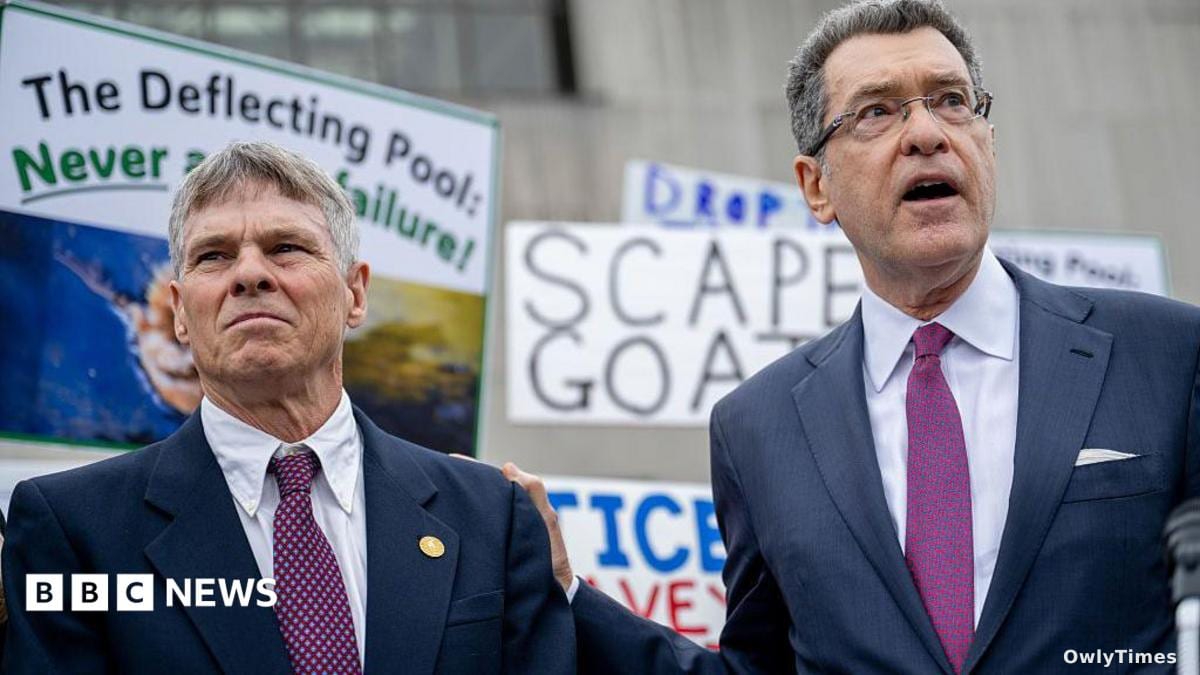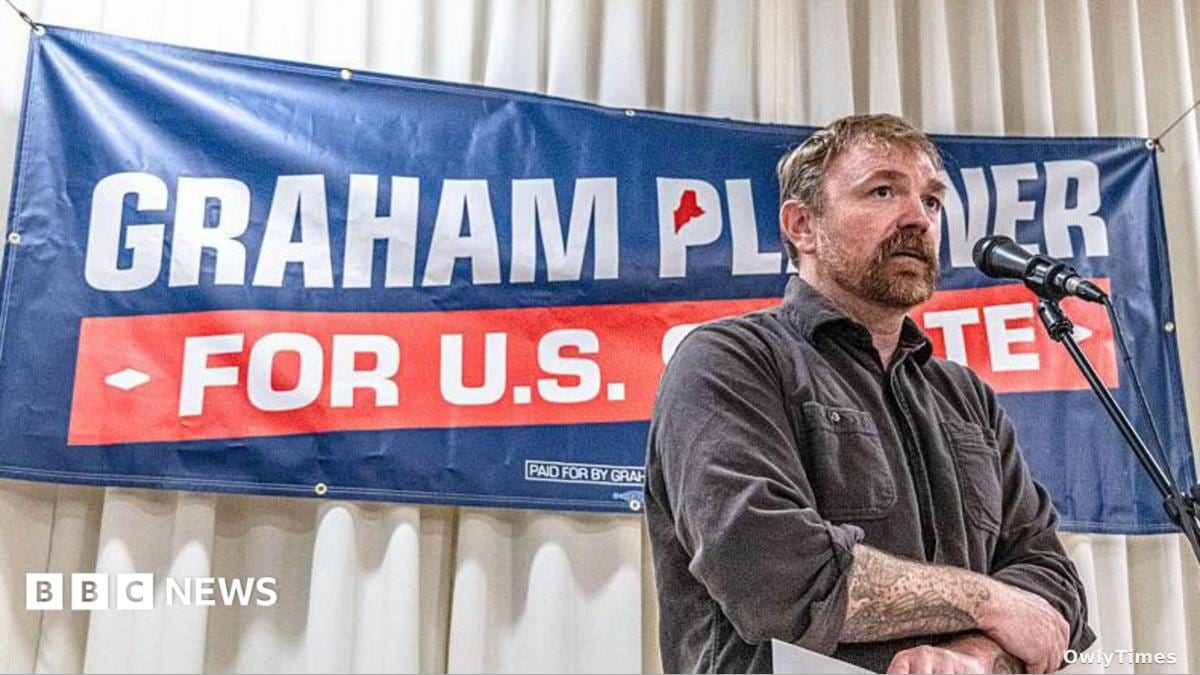

The strategic collapse of Graham Platner’s U.S. Senate campaign in Maine represents a calculated move by the Democratic establishment to insulate the party from electoral liability while struggling to retain the populist energy that fueled his primary victory. By forcing the suspension of a candidate who had successfully tapped into voter frustration with the political status quo, the party leadership has traded an insurgent asset for institutional stability. The calculus is clear: party elites determined that the electoral damage of sexual assault allegations—reported by Politico—outweighed the risk of alienating the base that propelled Platner past Governor Janet Mills.
The Anatomy of a Forced Exit
The downfall of the oyster farmer turned candidate was swift. Following public accusations by Jenny Racicot, who alleged that Platner assaulted her in her home, the Democratic Senatorial Campaign Committee and key progressive allies—including Senators Bernie Sanders and Elizabeth Warren—withdrew their support. According to the BBC, Platner claimed in an 11-minute video that his departure was not an admission of guilt but a pragmatic reaction to the loss of funding and access to essential voter data. NPR reports that Platner had not yet filed official withdrawal paperwork as of his announcement, leaving the party in a time-sensitive scramble to finalize a replacement before the July 27 deadline.
Who Benefits and Who Loses
The immediate beneficiaries are the institutional figures now vying for the nomination, though they face a daunting challenge in inheriting a fractured coalition. The Guardian notes that candidates like former state Senate President Troy Jackson and Secretary of State Shenna Bellows are positioning themselves as the successors to Platner’s platform. However, the move risks alienating the "more than 150,000 voters" who supported Platner in the primary, as NPR points out. The "losers" in this power struggle include the grassroots organizers who feel the party establishment is reclaiming control of the process, a tension highlighted by Platner’s insistence that the replacement process remain "open and democratic" rather than dictated by "people in places of political power."
Historical Echoes and Political Friction
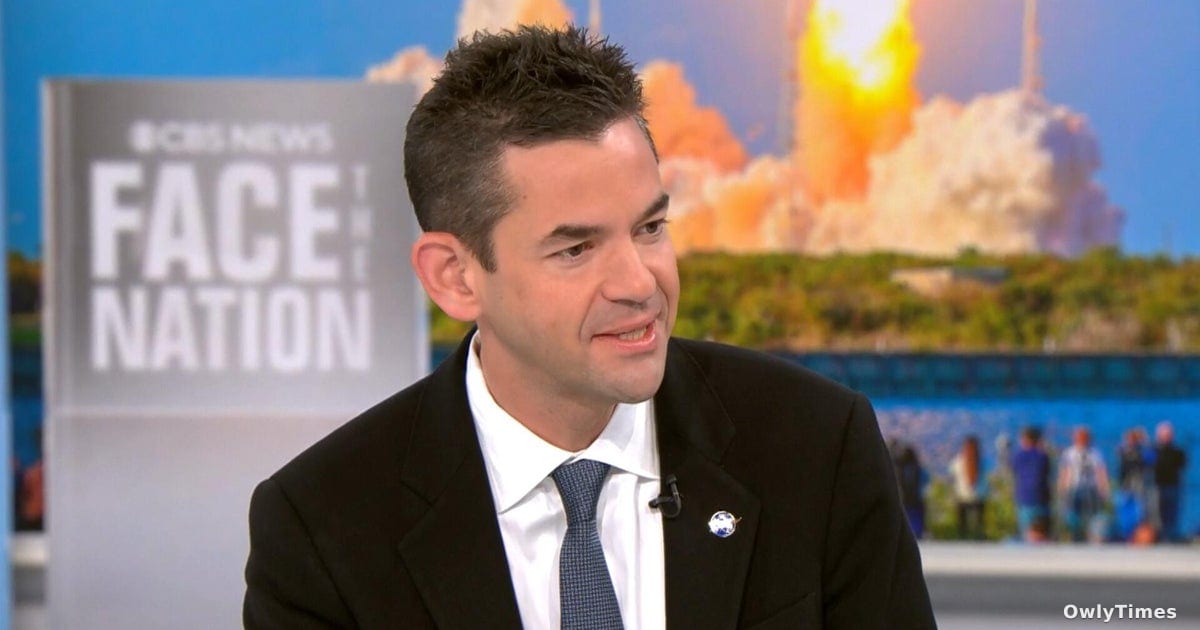
This situation draws a direct parallel to other recent candidate implosions, such as that of Congressman Eric Swalwell, who withdrew from the California gubernatorial race earlier this year amid similar allegations of misconduct, as noted by the BBC. Much like the Swalwell case, the Maine Democratic Party is now tasked with navigating a delicate replacement convention where approximately 600 delegates will choose the new nominee. The friction between the party’s desire for a controlled outcome and the supporters' demand for transparency remains palpable; CBS News reports that while some hopefuls like Dan Kleban and Nirav Shah are calling for an open selection process, party leadership has been forced to tread carefully to maintain unity.
The Chess Move to Watch
The upcoming political trigger is the July 27 deadline. By 5:00 p.m. on that day, the Maine Democratic Party must have a finalized nominee registered with the Secretary of State to challenge incumbent Republican Susan Collins. Watch for whether the chosen candidate leans into the "pickup truck progressive" identity championed by Jackson, or if the party selects a more traditional establishment figure, a move that would signal whether they intend to fully absorb or effectively purge the movement Platner built.