
The Unseen Strain on Home Healthcare: A Looming Crisis for New York Families
The recent debate surrounding Temporary Protected Status (TPS) for Haitian nationals, as highlighted in both coverage of the potential cancellations and subsequent reprieves, reveals a critical blind spot in New York’s healthcare policy: the precarious state of its home healthcare system. While headlines focus on immigration status, a quieter crisis is unfolding, one that threatens access to essential care for over 200,000 New Yorkers and risks destabilizing a sector already operating on razor-thin margins. This isn’t simply a matter of workforce availability; it’s a fundamental question of how New York prioritizes care – whether it invests in keeping people in their homes, or waits until hospitalization becomes unavoidable.
The core of the issue lies in funding allocation. Al Cardillo, CEO of the Home Care Association of New York State, points to Governor Kathy Hochul’s proposed $1.5 billion health stability fund, which conspicuously excludes direct investment in home care. Instead, the funds are earmarked solely for hospitals and nursing homes. This decision, coupled with the potential diversion of $1.2 billion in savings from the Consumer Directed Personal Assistance Program (CDPAP), signals a troubling undervaluation of in-home care. It’s a paradox: home care demonstrably reduces reliance on more expensive institutional settings, yet receives diminishing resources. Nearly 60% of home care agencies are currently reporting operating losses, a statistic that doesn’t reflect isolated struggles but a systemic problem.
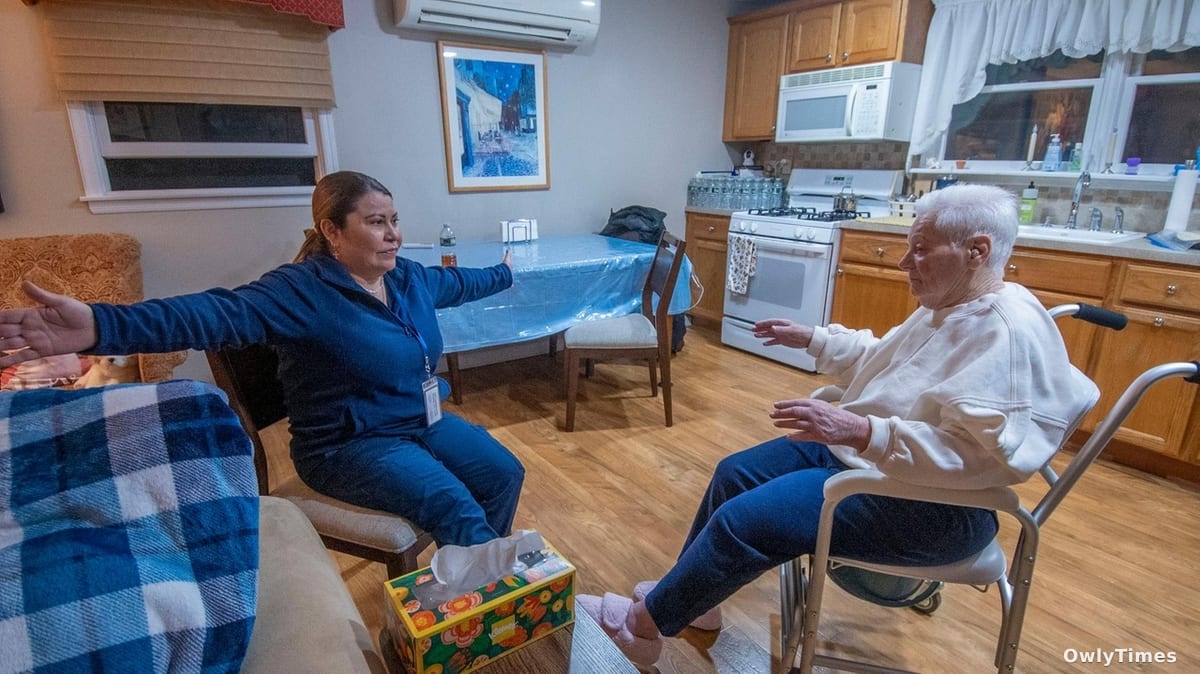
What’s often lost in these budgetary discussions is the breadth of services provided by home care professionals. These aren’t simply companion services; home care nurses, aides, therapists, and social workers deliver skilled nursing, physical and occupational therapy, personal hygiene assistance, and vital social support. They are, in effect, extending the reach of hospitals and physicians into patients’ homes, preventing unnecessary emergency room visits and hospital readmissions. The economic argument for robust home care isn’t sentimental; it’s fiscally sound. Every dollar invested in keeping someone safely at home translates to significant savings down the line. The current trajectory, however, suggests a willingness to forgo those savings.
Based on the original newsday.com report.
The debate over TPS further complicates the situation. As Steve Pampinella of Holbrook eloquently argues, many of these workers perform jobs that most New Yorkers wouldn’t consider – often physically demanding and emotionally taxing roles in nursing homes and private homes. They contribute to the economy, pay taxes, and provide essential care, yet are frequently dismissed with the broad label of “illegal.” Pampinella’s personal experience witnessing the dedication of these workers firsthand underscores the human cost of shortsighted policy. The proposed solution of vetting for criminal issues and expediting citizenship isn’t merely compassionate; it’s pragmatic. A stable, legally recognized workforce is essential for maintaining the quality and continuity of care.
Limitations to consider include the complexity of CDPAP itself. While intended to empower patients by allowing them to directly employ their caregivers, it has been subject to scrutiny regarding potential for fraud and abuse. Any reinvestment in CDPAP must be accompanied by robust oversight mechanisms to ensure responsible spending. Furthermore, the financial pressures facing home care agencies are multifaceted, encompassing not only reimbursement rates but also rising labor costs and administrative burdens. A single funding infusion, while helpful, won’t solve the underlying structural issues.
The next critical step is for lawmakers to reassess the allocation of the health stability fund and prioritize investment in home care. Beyond simply restoring funding, they must explore innovative models of care delivery and address the systemic challenges facing the industry. But perhaps the most important question facing New York residents is this: if a significant portion of the home healthcare workforce becomes unavailable – whether through policy changes or agency closures – where will those 200,000 New Yorkers turn? Will the state be prepared to absorb the resulting surge in demand for institutional care, and at what cost to both individuals and the state budget? The answer, currently, remains uncertain.





