
Beyond the Festival Grounds: Addressing Healthcare Access in the Coachella Valley
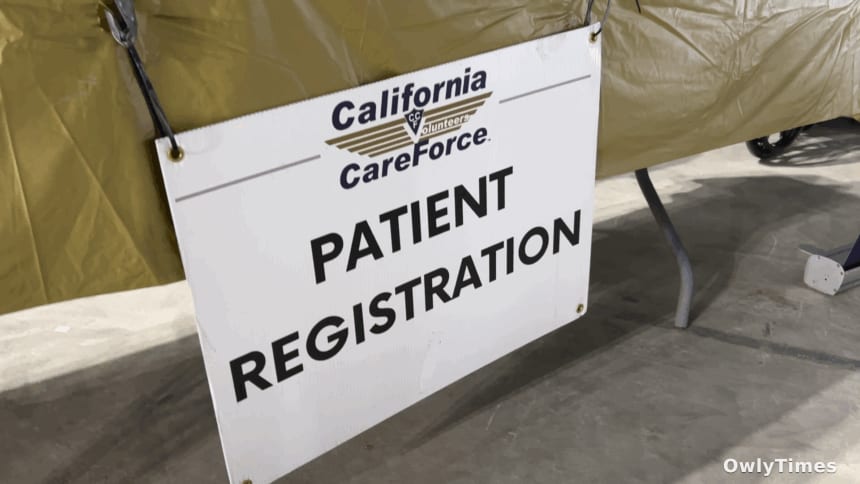
The enduring image of Indio, California, is often one of music festivals and celebrity sightings. But beneath the glamour, a significant portion of the Coachella Valley population faces substantial barriers to accessing basic healthcare. This weekend’s California Careforce clinic, held at the Empire Polo Grounds in partnership with Goldenvoice, isn’t simply a charitable addendum to the region’s entertainment industry—it’s a stark illustration of unmet needs and a revealing case study in volunteer-driven healthcare. While initial reports focused on the sheer number of patients served, a closer look at the clinic’s operation and the context surrounding it reveals a more nuanced story about affordability, volunteer capacity, and the persistent anxieties within vulnerable communities.
Athena Jreij of News Channel 3 first reported on the clinic’s opening on Friday, marking the 17th year California Careforce has brought free medical, dental, and vision services to the Coachella Valley. This year, Rudy Morales, ambassador and co-chair for California Careforce, projected that approximately 2,000 patients would receive care by the event’s conclusion on Sunday. As of Saturday, 1,500 had already been seen, a figure that, while substantial, requires careful interpretation. It’s easy to frame this as a resounding success – and it is a positive impact – but the very existence of a need for this level of free care speaks volumes about gaps in the existing healthcare infrastructure. Consider that the average cost of a dental cleaning in California is around $100, and a routine vision exam can easily exceed $150. For families struggling with rising costs of living, these expenses can be prohibitive, leading to delayed or forgone care.
Original reporting: kesq.com.
The Volunteer Equation: A Fragile Foundation
The clinic’s success is fundamentally reliant on volunteer participation, a model that, while admirable, introduces inherent vulnerabilities. This year, the vision care component experienced a significant staffing shortage on Sunday, with only one optometrist available after being fully staffed for the first two days. Morales attributed this to the typical Sunday slowdown in attendance, but also acknowledged the broader challenge of relying on volunteer availability. This isn’t a new problem for volunteer-based clinics; maintaining consistent staffing requires ongoing recruitment and coordination, and even minor fluctuations in participation can significantly impact service delivery. The situation highlights a critical tension: the desire to provide comprehensive care versus the practical limitations of a volunteer workforce. It’s not simply about finding enough volunteers, but ensuring a consistent skill mix to meet the diverse needs of the patient population.
Dispelling Fears, Confirming Needs
Ahead of the clinic, some expressed concern that heightened immigration enforcement could deter individuals from seeking care. This fear, while understandable given the political climate, did not appear to materialize. Morales noted that while some patients may have been “a little reserved,” they were still accessing the services offered. This suggests a strong underlying need for healthcare that outweighs, for many, the risk of potential complications related to their immigration status. However, it’s crucial to avoid overstating this conclusion. “Not appearing to be a factor” doesn’t equate to “no factor at all.” Subtle self-censorship or delayed care seeking could still be occurring, and accurately quantifying the impact of such anxieties requires more in-depth research.
The Cost of Care: A Direct Barrier to Access
Perhaps the most revealing aspect of Morales’ comments was his direct acknowledgement of the financial barriers preventing people from accessing care. He explicitly stated, “You see many of them don’t have insurance. Copays are expensive nowadays. And if we can give the free services, I'm very happy to see all these people getting [it for] free.” This isn’t a novel observation, but it’s a powerful reminder that healthcare affordability remains a critical issue, even in a state with expanded access initiatives. While the Affordable Care Act has reduced the uninsured rate in California, significant disparities persist, particularly among low-income communities and those working in industries without employer-sponsored health insurance. The clinic isn’t just filling a service gap; it’s mitigating the consequences of a system where basic healthcare is increasingly out of reach for a substantial segment of the population.
Looking ahead, the focus shouldn’t solely be on replicating these pop-up clinics, as valuable as they are. The next crucial step is to analyze the data collected during the event – not just the number of patients served, but the specific conditions treated, the demographics of those seeking care, and the reasons they lack consistent access to healthcare. This information can then be used to advocate for targeted policy changes, such as expanding Medicaid eligibility, increasing subsidies for health insurance premiums, and investing in community health centers. More importantly, researchers should investigate whether the clinic’s presence leads to increased engagement with the formal healthcare system after the event concludes. Do patients who receive care at the clinic establish relationships with primary care physicians? Do they follow up on recommended screenings or treatments? Answering these questions will determine whether initiatives like the California Careforce clinic are truly bridging the healthcare gap, or simply providing temporary relief.