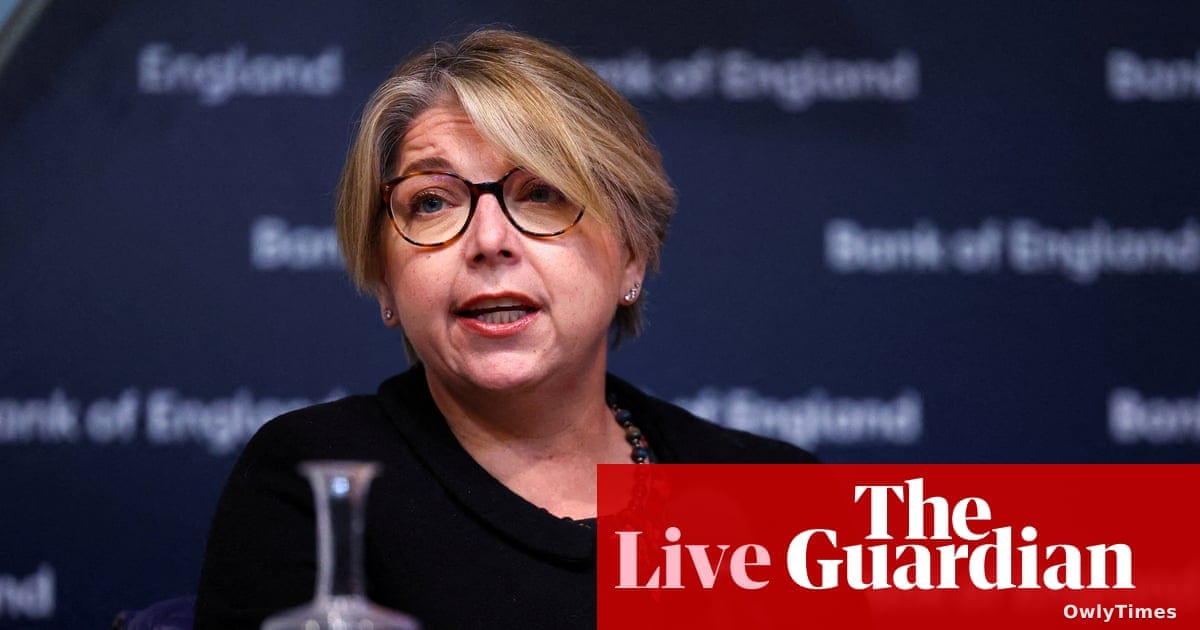

Global equity markets are currently priced for a perfection that geopolitical reality no longer supports, with asset valuations sitting at all-time highs even as the Strait of Hormuz remains essentially closed. While the MSCI World Index has climbed roughly 5% year-to-date, this optimism stands in stark contrast to the Bank of England’s assessment of systemic risk. Sarah Breeden, the Bank’s deputy governor, explicitly warned that current valuations fail to account for the potential crystallization of multiple threats, including inflated AI valuations and instability in the private credit market.
The Divergence Between Paper Wealth and Real Costs
Follow the money, and you see a market suffering from "cognitive dissonance," as Emma Moriarty of CG Asset Management describes it. While equity investors remain bullish, the bond and commodity markets are already pricing in a significant inflation shock. In the UK, nominal interest rates have climbed by approximately 50 basis points across the curve since the conflict began. Meanwhile, oil prices have surged to $105 per barrel, a sharp increase from the sub-$70 levels seen at the start of 2026, creating a tangible drag on corporate margins.
The impact is no longer theoretical; it is showing up in the bottom lines of major manufacturers. Mondi, the packaging giant, has confirmed it is hiking prices to offset rising energy and logistics costs, even as it moves to shutter factories in Hungary, Poland, and Germany. The group’s struggle—compounded by 450 planned job cuts this year—illustrates the transition from an energy-price surge to actual demand destruction in the real economy.
Geopolitical Friction and Economic Cooling
The blockade of the Strait of Hormuz has fundamentally altered the supply chain math for global energy. Goldman Sachs reports that Gulf crude production has plummeted by 14.5 million barrels per day, a 57% contraction from pre-war levels. The resulting scarcity is hitting the German economy with particular force, as the Ifo Institute’s business climate index fell to 84.4 in April—its lowest reading since May 2020.
Russia’s central bank is meanwhile attempting to stave off its own domestic slowdown by cutting its benchmark interest rate by 50 basis points to 14.50%. The Russian economy, according to the bank’s own high-frequency data, faced headwinds in the first quarter of 2026 due to earlier tax adjustments and unfavorable weather, highlighting that even energy-exporting nations are not immune to the volatility of this cycle.
Retail Signals and Policy Pressure
Consumer behavior provides the final, contradictory piece of the puzzle. While Office for National Statistics data shows UK retail sales rose 0.7% in March, the growth was largely driven by a frantic "dash to fill up" cars as fuel prices climbed. This suggests that households are not increasing spending due to confidence, but are instead front-loading purchases in anticipation of further inflationary pressure. With UK companies now expecting to hike prices by 4.4% by April 2027—a significant jump from the 3.4% expectation held in February—the inflationary feedback loop is tightening.
For the individual investor, the takeaway is clear: the current market resilience is a bet on a short-lived conflict, not a reflection of current macroeconomic fundamentals. With the US and Iran engaged in a cycle of rhetoric and military posturing, and Donald Trump signaling no rush to reach a trade or peace deal, the risk of a sharp downward adjustment remains elevated. Watch the next reading of the Bank of England’s year-ahead CPI inflation expectations; if they continue to trend upward from the current 3.5%, it will force a reckoning between central bank policy and the equity markets' persistent optimism.





