
Beyond the Podium: Why the Vatican is Watching the Winter Olympics
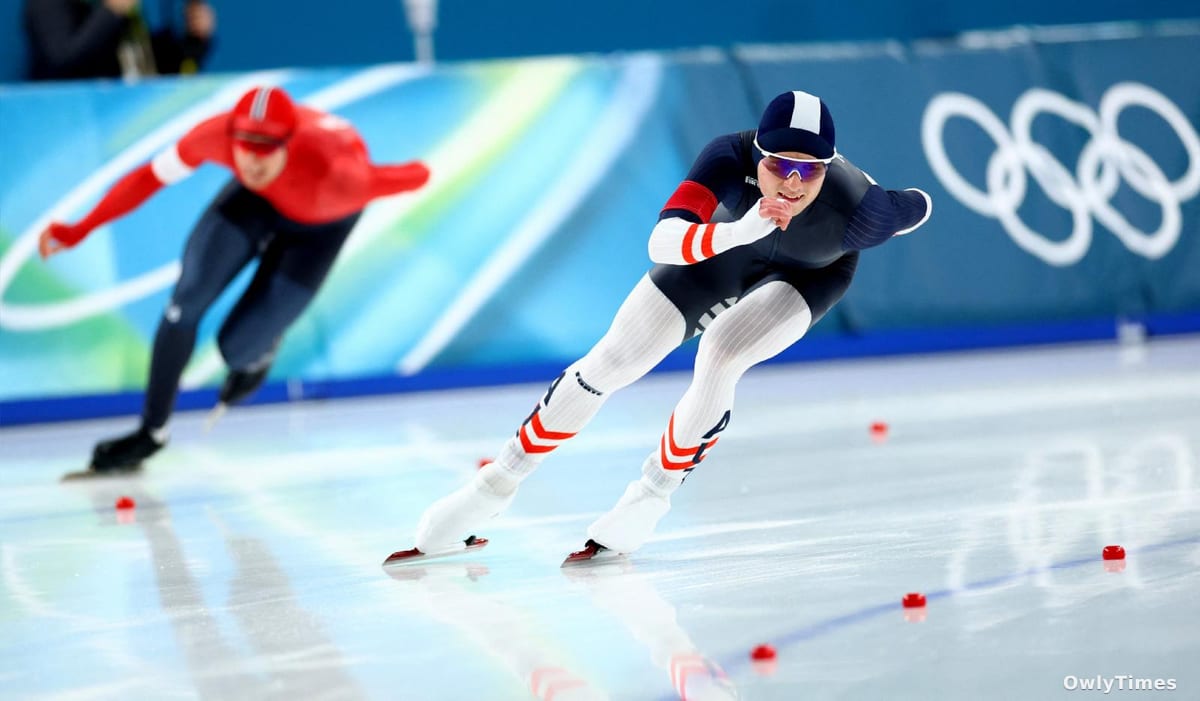
The flash of blades on ice, the breathless ascent of a ski jumper, the collective gasp of a crowd – the Milan-Cortina 2026 Winter Olympics, officially opened February 6th, are a spectacle of human achievement. But beyond the medal counts and record-breaking times, a centuries-old conversation is unfolding, one that began with a surprising encounter between the founder of the modern Olympics and a Pope who loved bocce ball. It’s a conversation about the very purpose of sport, and why the Catholic Church, from Pope Pius X to Pope Francis, has consistently seen something profoundly spiritual in the athletic arena.
Drawn from osvnews.com.
The story isn’t new. In February 1905, nine years after the first modern Olympic games in Athens, Pierre de Coubertin sought the support of St. Pius X for the games scheduled for Rome in 1908. The Pope, already known for organizing games for his parishioners to steer them away from vice, wasn’t simply a passive observer. He opened Vatican courtyards for gymnastic competitions, recognizing the power of physical activity to cultivate virtue. This wasn’t about endorsing athletic prowess for its own sake; it was about recognizing the inherent good in disciplined physical exertion, a concept that would blossom into what some now call a “theology of sport.” The fact that the 1908 games were ultimately moved to London after the eruption of Mount Vesuvius didn’t diminish the significance of that initial papal endorsement.
Over the 20th and 21st centuries, this initial spark ignited a sustained effort within the Church. St. John Paul II formalized the connection with the creation of the “Church and Sport” section within the Dicastery for Laity, Family and Life, actively engaging with sports organizations and demonstrating his own athletic background. While Pope Benedict XVI focused less publicly on sports, his earlier writings as Archbishop of Munich-Freising framed sport as a longing for a prelapsarian state of freedom and bliss – a surprisingly poetic interpretation of competition. The current pontiff, Pope Francis, has doubled down on this engagement, launching initiatives like “Sport at the Service of Humanity” in 2016, a global conference bringing together faith leaders and sporting figures. This isn’t simply about blessing athletes; it’s about actively shaping a conversation around the ethical and spiritual dimensions of athletic competition.
The Church’s sustained interest isn’t merely historical curiosity. In 2018, the Dicastery for Laity, Family and Life published “Giving the Best of Yourself,” a document explicitly outlining a Christian perspective on sport. The document, informed by theologians like Jesuit Father Patrick Kelly, author of “Play, Sport and Spirit,” argues that the Church has a vital role to play in understanding the impact of sports on personal formation, relationships, and spirituality. Father Kelly, grounded in the dignity of the human person and the goodness of the material world, points to St. Paul’s own use of athletic metaphors in his letters to the Corinthians – a testament to the cultural resonance of sport even in the earliest days of Christianity. Paul’s analogy of the race, urging disciplined training for an “imperishable crown,” resonates powerfully with the Church’s understanding of spiritual striving.
This theological framework offers a corrective to the often-hyper-commercialized and individualistic nature of modern sports. While acknowledging the potential for scandal, poor sportsmanship, and nationalistic fervor – issues undeniably present at the Olympics – the Church emphasizes sport’s capacity for unity, perseverance, and the celebration of the human spirit. As James Jay Carney, a colleague of Father Kelly at Creighton University, explains, the Church’s perspective aligns with the Jesuit maxim of “finding God in all things,” recognizing that moments of transcendence and meaning aren’t limited to religious spaces. The Olympics, at their best, embody this potential, showcasing the dedication, sacrifice, and aspiration that can elevate the human experience.
The timing of Pope Leo XIV’s letter on the value of sport, issued as the Milan-Cortina Games opened – titled “Life in Abundance” – is particularly striking. The Pope’s message, echoing the themes of encounter, respect, and shared joy, underscores sport’s potential as a “school of life,” where athletes learn to strive for excellence without sacrificing their humanity. He emphasizes that true victory lies not in dominating others, but in the journey itself, recognizing the dignity of every participant. This isn’t a naive idealism; it’s a deliberate attempt to reframe the narrative around athletic achievement, shifting the focus from winning at all costs to cultivating virtue and fostering community.
As the closing ceremony approaches on February 22nd, the question isn’t just who will take home the most medals. It’s whether the broader cultural conversation around the Olympics – and sport in general – will begin to incorporate this deeper, more holistic perspective. Will athletes, coaches, and fans alike start to consider the ethical and spiritual implications of their involvement? Will the Church’s long-held “theology of sport” gain traction in a world increasingly obsessed with performance and profit? The Milan-Cortina Games aren’t just a sporting event; they’re a potential turning point, a moment to redefine what it means to compete, to win, and to be human.