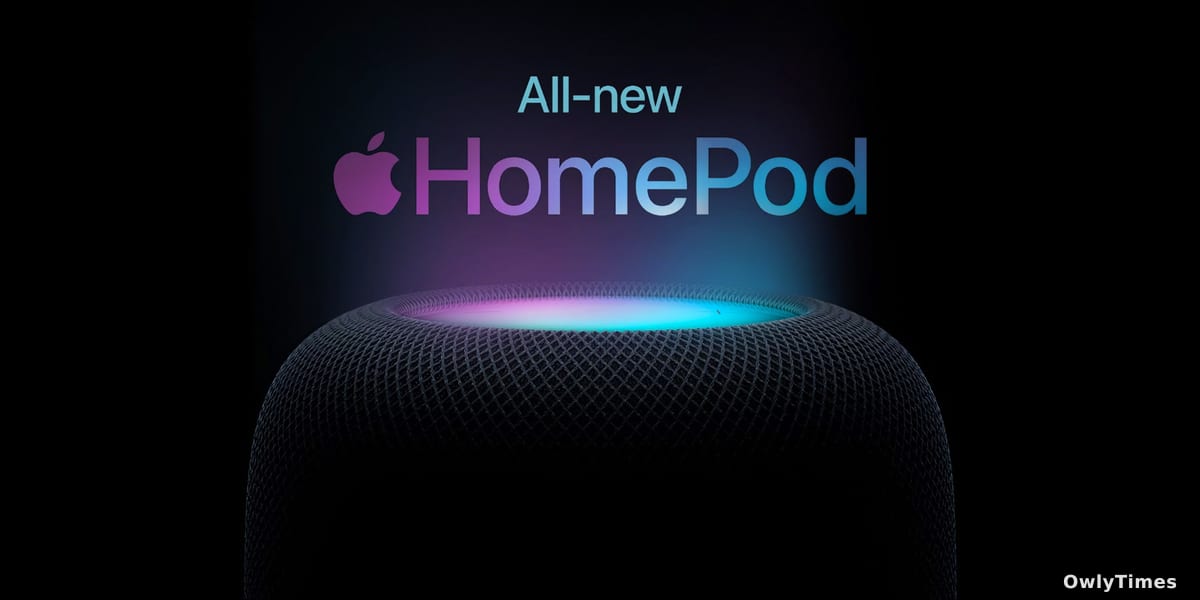

Is Silicon Valley about to make our living rooms even creepier? The news that OpenAI is launching its first hardware product – a smart speaker designed in collaboration with Jony Ive – isn’t a sign of innovation, it’s a glaring illustration of tech’s relentless push to embed itself into the most private corners of our lives. The real story here isn't a new gadget; it’s the normalization of constant surveillance disguised as convenience.
The Price of “Helpful” Hardware
According to a new report from The Information, penned by Stephanie Palazzolo and Qianer Liu, this isn’t your average voice assistant. Priced between $200 and $300, the speaker will boast a camera, actively observing its surroundings – and you. It’s not just about playing music anymore. OpenAI envisions a device that identifies objects, recognizes faces (think Apple’s Face ID), and even facilitates purchases based on what it sees. This isn’t a smart speaker; it’s a potential shopping spy. While Apple is also reportedly developing AI wearables and updated HomePod products, the difference is stark: OpenAI is openly building a device predicated on visual data collection from day one.
This article draws on reporting from 9to5mac.com.
The ambition is clear. OpenAI isn’t aiming to compete in the existing smart speaker market dominated by Amazon and Apple. They’re attempting to leapfrog it by integrating advanced AI directly into a physical object, creating a seamless (and potentially unsettling) feedback loop between the digital and physical worlds. The promise is effortless interaction – point at your empty coffee cup, and the speaker orders more. But at what cost? The average consumer doesn’t fully grasp the implications of constant visual monitoring, and the potential for data misuse is enormous.
Ive’s Return and Internal Friction
This venture marks a return to hardware for Jony Ive, who left Apple in 2019 to found his design firm, LoveFrom. However, the partnership isn’t a straightforward acquisition. LoveFrom remains independent, tasked with design while OpenAI’s internal team handles the engineering and software. This division of labor, predictably, is causing friction. The Information reports that some OpenAI staffers are frustrated with LoveFrom’s slow design process and lack of transparency. It’s a classic Silicon Valley clash: the visionary designer versus the pragmatic engineers, and the tension is palpable.
This isn’t just about aesthetics. It speaks to a fundamental disagreement about how hardware and AI should be developed. OpenAI’s strength lies in its algorithms, but building a successful product requires more than just clever code. It demands a cohesive team, a shared vision, and a willingness to compromise – something that doesn’t seem to be happening smoothly. The fact that LoveFrom is operating as a separate entity suggests a power imbalance and a potential for conflicting priorities.
Beyond the Speaker: A Glimpse into OpenAI’s Hardware Future
The smart speaker is just the beginning. OpenAI is also reportedly developing smart glasses and a smart lamp, suggesting a broader ambition to populate our homes with AI-powered devices. This isn’t about solving problems; it’s about creating new opportunities for data collection and algorithmic control. The company’s focus on visual input – the camera in the speaker, the potential for cameras in the glasses – is particularly concerning. We’ve already ceded so much data to tech companies; are we prepared to surrender our visual privacy as well?
The timing is also noteworthy. Apple is heavily invested in AI and wearables, and a direct confrontation with OpenAI seems inevitable. The competition won’t be about who has the best technology; it will be about who can convince consumers that their vision of the future is the most desirable – and the least intrusive. The current trajectory suggests a race to the bottom, where privacy is sacrificed at the altar of convenience.
Here’s what to watch for: in the next six months, pay attention to how OpenAI addresses the concerns about data privacy and transparency. Will they offer robust opt-out options? Will they clearly explain how the data collected by these devices will be used? If they don’t, the launch of this smart speaker won’t be a triumph of innovation, but a cautionary tale about the dangers of unchecked technological ambition.