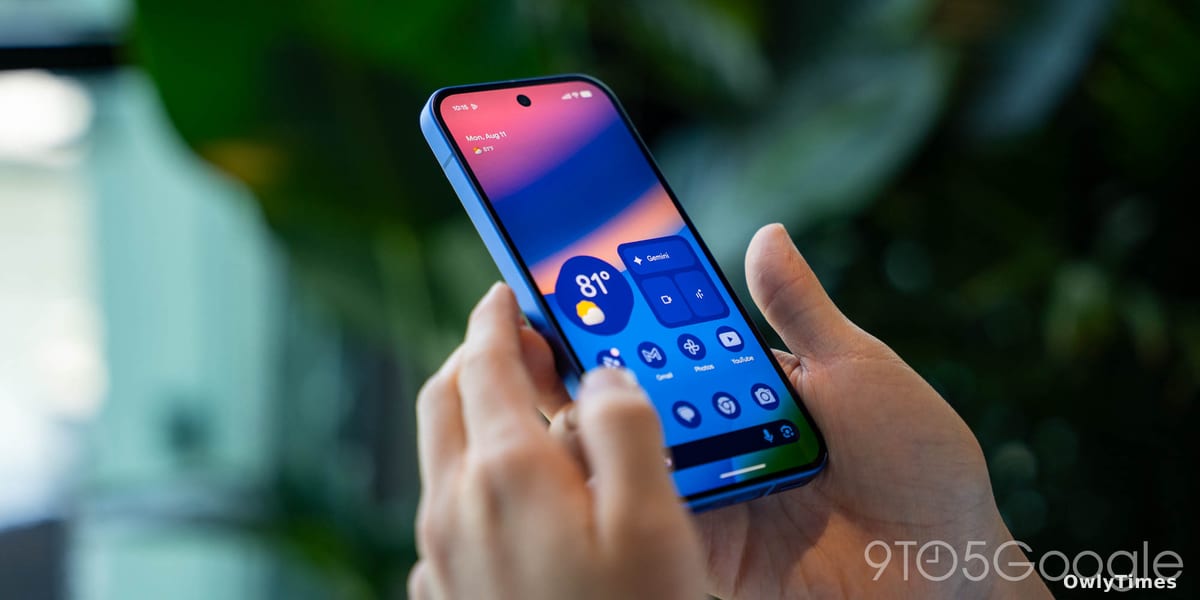

The chipped ceramic of my morning coffee mug felt cold against my lips as the final score from last night’s Lakers game flashed across my Pixel’s lock screen. Not a notification, not something I opened – just…there. It’s a small thing, this quiet delivery of information, but it speaks to a larger shift happening in how we consume, and are consumed by, real-time data. Google’s Pixel phones are now offering live sports scores and financial updates directly within the “At a Glance” widget, a feature that’s been quietly evolving since its 2019 debut, and it’s a move that’s about far more than just convenience. It’s about owning the ‘always-on’ moment, and the subtle power that comes with it.
The Battle for Your Homescreen
For years, our phones have been battlegrounds for attention. App developers clamor for notification space, social media platforms engineer dopamine loops, and news outlets fight for clicks. But “At a Glance” represents a different kind of incursion – a preemptive strike. Instead of reacting to information, the Pixel is proactively delivering it, subtly shaping your awareness before you even consciously seek it out. This February update, rolling out with Android System Intelligence version B.21, adds both sports and finance to the mix, pulling data directly from Google Search and Google Finance. It’s a seemingly benign expansion, but it’s a calculated move in a larger ecosystem war. The warning on the At a Glance settings page that sports updates “may affect battery life” isn’t just a technical disclaimer; it’s an acknowledgement of the cost of constant connection.
This piece references the 9to5Google report.
The rollout, currently limited to the Pixel Launcher experience (not the Google app widget available on other Android devices), is a deliberate choice. Google isn’t aiming for ubiquity yet. They’re reinforcing the value proposition of the Pixel as a curated, intelligent experience. The “Choose your teams” and “Choose your stocks” shortcuts aren’t new systems – they leverage existing infrastructure from Google Search and Discover, and your Google Finance watchlist – but integrating them into At a Glance streamlines the process, making information feel less like a search and more like an ambient awareness. This isn’t about finding information; it’s about having it find you.
Beyond the Scoreboard: The Data-Driven Life
The cultural implications are significant. We’ve moved beyond the era of “information overload” and into an era of “information anticipation.” We don’t just want to know what happened; we want to know what’s happening now, and what’s likely to happen next. The appeal of live sports scores isn’t just about fandom; it’s about participating in a collective, real-time narrative. Similarly, the availability of financial updates taps into a growing anxiety about economic instability and a desire for constant monitoring. In 2023, a Pew Research Center study found that 41% of Americans check their investments daily, a figure that’s likely increased in the volatile market of early 2024. Google is capitalizing on this pre-existing behavior, embedding itself into the rhythms of daily financial anxiety.
This isn’t simply a feature update; it’s a data play. Every team selected, every stock tracked, feeds back into Google’s vast data collection apparatus, refining its understanding of user preferences and behaviors. While Google hasn’t publicly disclosed how this data will be used, it’s reasonable to assume it will inform targeted advertising, personalized recommendations, and potentially even future product development. The convenience of having scores and stock prices on your lock screen comes with a subtle but significant trade-off: increased data surveillance.
A Pixel-First Strategy in a Fragmented Landscape
The fact that Google has been working on this since 2024, and is rolling it out incrementally, speaks to a cautious approach. The company is navigating a complex landscape of privacy concerns, antitrust scrutiny, and increasing competition from rivals like Apple and Samsung. The intentional replacement of Pixel Launcher search by the Google app, as reported recently, further underscores this strategy. Google is consolidating its services, prioritizing its own ecosystem, and subtly nudging users towards a more integrated experience.
This move also highlights the tension between Google’s ambition to be a universal information provider and its commitment to maintaining a degree of user control. While At a Glance offers convenience, it also raises questions about filter bubbles and the potential for algorithmic bias. What happens when the information you see is curated not just by your preferences, but by Google’s algorithms? Will this lead to a more informed citizenry, or a more fragmented and polarized society? The rollout to Pixel devices first allows Google to test and refine the feature, gathering data and addressing potential issues before a wider release.
What happens when At a Glance starts anticipating your needs before you even know them yourself? Will it become an indispensable tool for navigating the complexities of modern life, or a constant source of distraction and anxiety? The answer, likely, will depend on how carefully Google balances convenience with control, and how willing users are to surrender a little bit of their attention in exchange for a little bit of information.