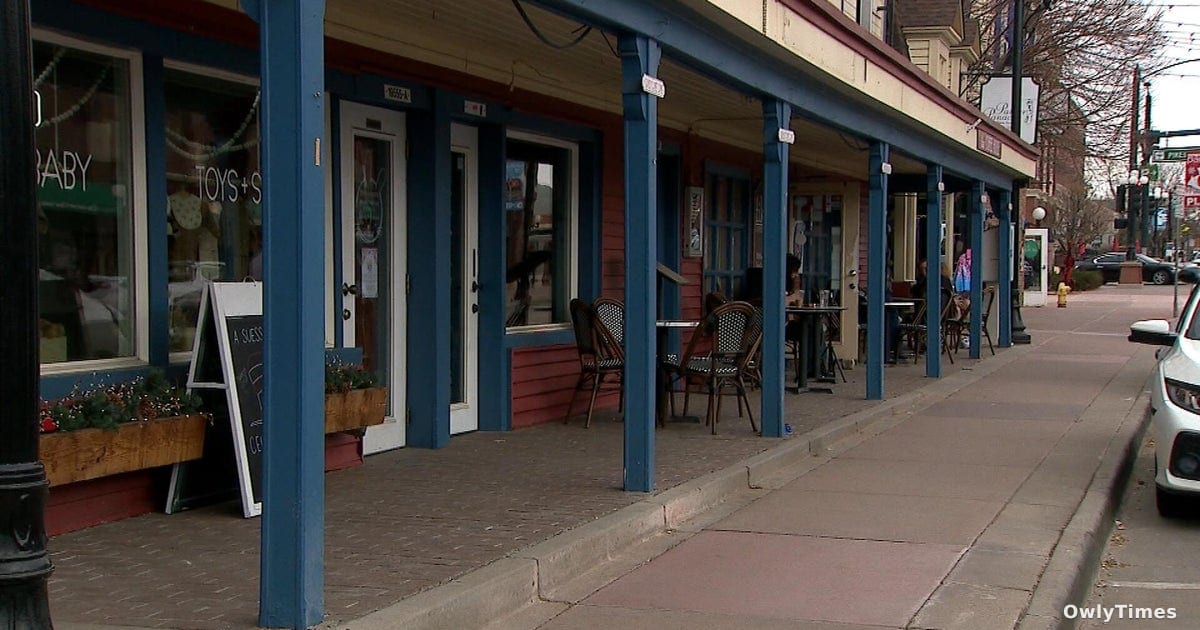

$300 Million in Development Signals Parker, Colorado’s Bet on “Walkability”
A surge of $300 million in mixed-use development along Parker’s Main Street isn’t simply a story of growth; it’s a calculated economic repositioning. While the Denver metro area saw a 7.8% increase in overall commercial real estate investment in 2025, Parker’s focused investment in its downtown core represents a deliberate shift away from sprawling suburban development and towards a denser, more experiential retail model. This isn’t accidental – it’s the result of years of advocacy from local business owners and a strategic vision for a town rapidly approaching its self-imposed population cap.
The transformation is stark when viewed through the lens of Parker’s history. Joshua Rivero, owner of Fika Coffee House and now the town’s mayor, recalls a “ghost town” Main Street during his childhood in the 1980s. Rivero’s 2008 investment in Fika wasn’t just a business decision; it was a bet on the potential for revitalization. That potential is now materializing, with at least six new businesses opening on Main Street in the last year, fueled by a population increase to 72,000 residents. This growth isn’t organic; it’s being actively engineered by the Downtown Business Alliance, led by Shelli Mango, who emphasizes the need for commercial growth to keep pace with the housing boom.
Original reporting: CBS News.
Follow the money, and the pattern becomes clear. The construction of The Juniper, a new apartment complex with ground-floor retail, and the ongoing development of East Main – a $300 million project by Confluence Companies (the firm behind Castle Rock’s successful Riverwalk) – are not isolated incidents. They represent a coordinated effort to extend the Main Street retail area eastward, towards the town library. Confluence’s involvement is particularly telling. Their Riverwalk project in Castle Rock demonstrated a 15% increase in retail occupancy rates within two years of completion, a benchmark Parker is likely aiming to replicate. The 300+ apartments in East Main alone represent a potential influx of over 600 new customers for Main Street businesses.
However, this concentrated development strategy isn’t without its tensions. While Mayor Rivero asserts Parker isn’t pursuing unchecked growth – capping the population at 85,000 – the influx of new residents raises concerns about maintaining the town’s small-town character. The success of this strategy hinges on preserving the “neighborliness” Rivero describes, a quality that historically differentiated Parker from its rapidly expanding neighbors. The data suggests Parker is aware of this risk. The town’s deliberate decision not to expand its geographic footprint, coupled with the focus on internal improvements, indicates a prioritization of quality of life over sheer size.
The narrative that “room for everybody” exists, as both Rivero and Mango suggest, is supported by Parker’s demonstrated resilience. Fika Coffee House, for example, weathered a burglary and the economic disruption of the COVID-19 pandemic, bolstered by strong community support. This loyalty is a valuable asset, but it’s not guaranteed. The success of new businesses will depend on their ability to integrate into, and contribute to, the existing fabric of the community. The fact that prospective homebuyers are routinely directed to Main Street by local businesses like Petit Parker, owned by Jill Callan, demonstrates a proactive effort to connect new residents with the downtown core.
What this means for your wallet: Parker’s investment in Main Street isn’t just about attracting new businesses; it’s about increasing property values and creating a more desirable place to live. Expect to see continued increases in rental rates and home prices in the area, particularly near the Main Street corridor. The question now is whether Parker can successfully balance growth with preservation, and whether this model of concentrated, walkable development can serve as a blueprint for other rapidly growing suburban communities in the Denver metro area. Will Parker’s bet on “walkability” pay off, or will the town lose the very character it’s trying to protect as it approaches its population limit?




