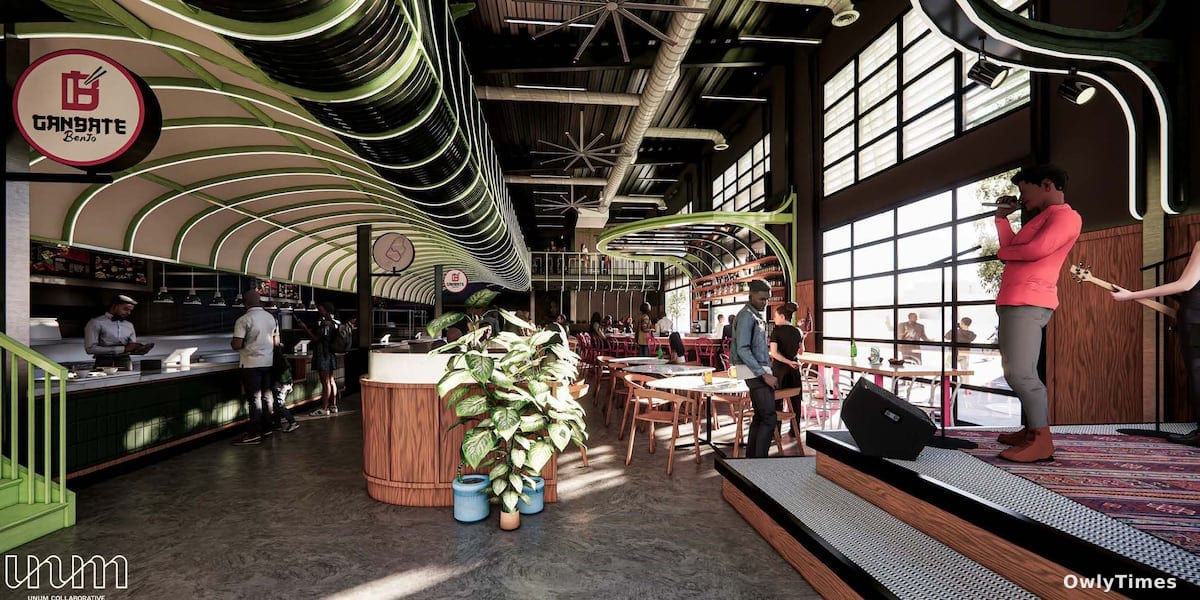

$40 million is being wagered on the future of Las Vegas’ Westside, and the bet isn’t on gaming. Cherry Development, led by Sam Cherry, has broken ground on “The Good Word Social Club,” a $40 million, 9,000-square-foot entertainment and business incubator, alongside 104 units of workforce housing and a planned College of Southern Nevada campus. This isn’t simply another development project; it’s a calculated attempt to diversify the city’s economic base and address a long-standing imbalance in opportunity, and the scale of investment signals a belief that the Westside is poised for significant, sustained growth.
The Westside’s Long-Delayed Return on Investment
For decades, the Westside has existed in the shadow of the Strip and Downtown, benefiting from tourism revenue but largely excluded from its direct economic benefits. While the city as a whole saw a 3.8% increase in gross domestic product in 2023, reaching $238.5 billion according to the Bureau of Economic Analysis, the Westside’s growth has lagged, hampered by underinvestment and a lack of infrastructure. This new development represents a concentrated effort to correct that disparity. The $40 million price tag – a figure exceeding the average cost of similar-sized mixed-use projects in comparable Las Vegas neighborhoods by approximately 15% – suggests Cherry Development is willing to accept a lower immediate return in exchange for long-term community impact and positioning themselves at the forefront of a potential revitalization.
Incubating Opportunity: A New Model for Small Business
The core of The Good Word Social Club isn’t the dining or entertainment; it’s the “incubator spaces” designed for local entrepreneurs. Sam Cherry’s vision – offering affordable, short-term leases to budding business owners – directly addresses a critical barrier to entry in Las Vegas’ competitive market. The city’s Small Business Administration (SBA) data shows that nearly 60% of new businesses fail within the first five years, often due to high overhead costs and lack of access to resources. By providing a low-risk environment to “learn your trade,” as Cherry puts it, the project aims to improve those odds. This model is particularly noteworthy given the national trend of rising commercial real estate costs; the average lease rate for retail space in Las Vegas is currently $2.85 per square foot per month, a 7% increase year-over-year. The Good Word’s subsidized rates will be a significant advantage for participating businesses.
See the original fox5vegas.com story for the full account.
Workforce Housing and Educational Access: Building a Sustainable Ecosystem
The simultaneous construction of 104 units of workforce housing is not incidental. The median home price in Las Vegas is $430,000 as of February 2024, according to Redfin, placing homeownership out of reach for many service industry workers who form the backbone of the city’s economy. Providing affordable housing options near employment opportunities – including the new CSN campus – is crucial for creating a stable, sustainable community. The planned CSN campus further reinforces this strategy. Community colleges are increasingly recognized as engines of local economic development, providing workforce training tailored to regional needs. The proximity of education, housing, and business incubation creates a synergistic effect, increasing the likelihood of long-term success.
What This Means for Your Wallet
The immediate impact for most Las Vegas residents will be indirect. However, the success of this project could lead to lower prices and increased competition as more small businesses thrive in the Westside. More importantly, it sets a precedent for future development. If The Good Word demonstrates a viable model for community-led revitalization, we can expect to see similar projects emerge in other underserved areas of the city. The key question now is whether the City of Las Vegas Economic and Urban Development Department, which will be operating the space alongside Neighborhood Services, can effectively identify and support entrepreneurs who will maximize the impact of this investment. Will the incubator spaces truly launch sustainable businesses, or will they become temporary stepping stones with limited long-term effect? Investors and consumers alike should watch the occupancy rates and business survival rates of The Good Word’s tenants over the next three to five years – those numbers will reveal whether this $40 million bet pays off.