
Beyond the Lecture Hall: Recognizing the Quiet Revolution in Medical Education
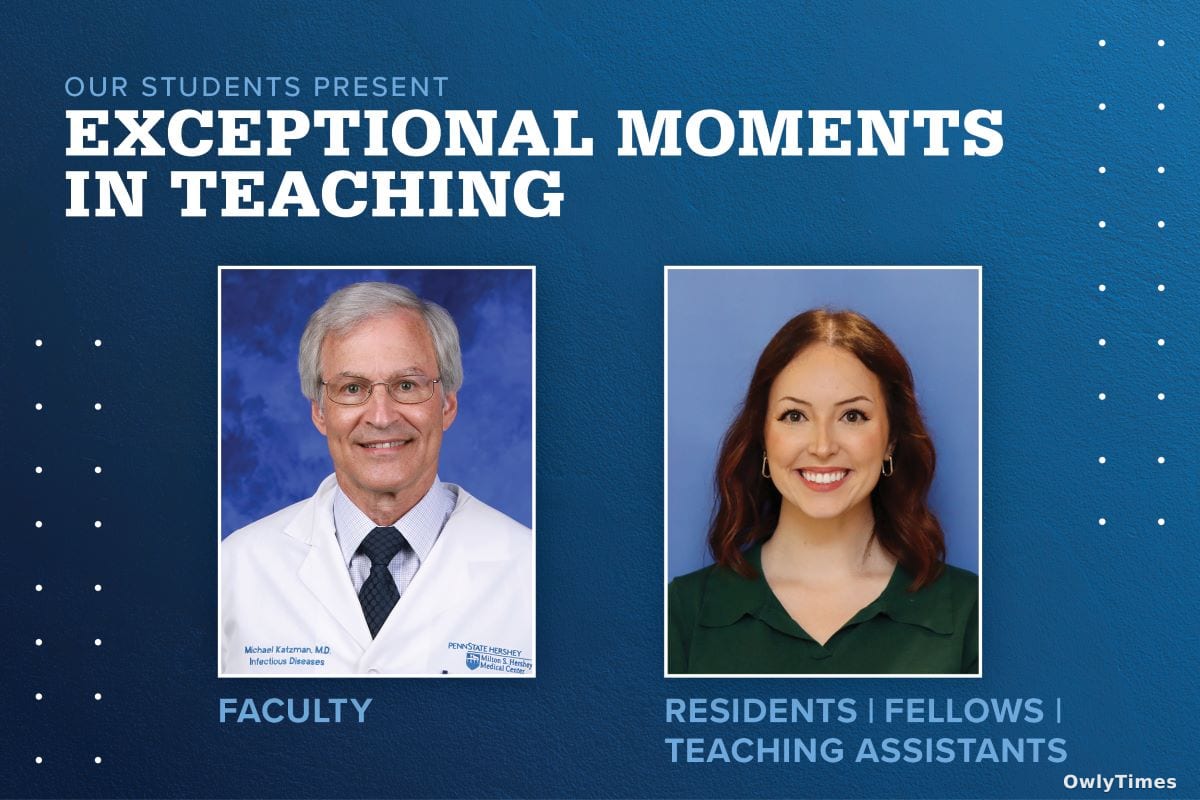
The recent announcement from Penn State College of Medicine recognizing Dr. Michael Katzman and Allison Krebs as “Exceptional Moments in Teaching” for March isn’t simply a feel-good story about dedicated educators. It’s a signal of a broader, and often overlooked, shift happening within medical training – a move away from the traditionally hierarchical “sage on the stage” model towards a more supportive, individualized, and actively inclusive learning environment. While accolades for medical professionals often focus on clinical breakthroughs or research funding, this recognition highlights the critical, yet frequently undervalued, role of pedagogical excellence in shaping the next generation of healthcare providers.
Reporting from pennstatehealthnews.org informs this analysis.
Dr. Katzman’s journey, spanning over three decades at Penn State since joining the faculty in 1989 after training at Columbia University and University Hospitals of Cleveland, illustrates a career dedicated to both clinical advancement and educational innovation. He initially balanced clinical medicine with laboratory research focused on the enzymatic targets of HIV/AIDS treatments – a significant contribution to a field that has dramatically altered the landscape of infectious disease. However, his founding of the Antimicrobial Stewardship Program in 2011, subsequently earning Penn State Health Milton S. Hershey Medical Center recognition as a national Center of Excellence, demonstrates a commitment to applying scientific rigor to practical, systemic challenges within healthcare. What’s particularly noteworthy is that this program wasn’t born from a top-down mandate, but from a physician recognizing a need and proactively building a solution. Student testimonials emphasize his “wealth of clinical knowledge” delivered with “incredibly supportive and passionate” guidance, a combination that’s becoming increasingly rare in the demanding world of academic medicine.
The recognition of Allison Krebs, a second-year anatomy PhD student and graduate teaching assistant, alongside Dr. Katzman is equally significant. While seasoned faculty like Dr. Katzman provide decades of experience, graduate students like Krebs bring a fresh perspective and a commitment to pedagogical best practices. Students praised her ability to “explain concepts, instruct students and reinforce knowledge through examples, drawings and interactive activities,” highlighting a proactive approach to learning that moves beyond rote memorization. Her stated passion for “equity in anatomy education” and volunteer work through anatomy outreach initiatives speaks to a growing awareness of the need to address systemic biases and ensure accessibility within medical training. This isn’t simply about making anatomy “easier” – it’s about recognizing that diverse learning styles and backgrounds require diverse teaching methods.
It’s crucial to understand what this recognition doesn’t represent. The “Exceptional Moments in Teaching” program, while valuable, relies on student nominations. This means the honorees are those who actively foster positive relationships with students and whose teaching styles resonate with the majority. It doesn’t necessarily identify those who are employing equally effective, but perhaps less outwardly charismatic, teaching methods. Furthermore, the program highlights individual excellence, but doesn’t address the systemic pressures within medical education that can discourage innovative teaching – pressures like limited time for curriculum development, heavy clinical workloads, and a historical emphasis on research output over pedagogical skill.
Limitations to Consider
The Penn State College of Medicine’s Office for a Respectful Learning Environment’s initiative is commendable, but it operates within a larger context. The nomination-based system, while empowering students, introduces potential for bias. Students who feel more comfortable providing feedback, or those who have had particularly positive experiences, are more likely to nominate. This doesn’t invalidate the achievements of Dr. Katzman and Krebs, but it’s important to acknowledge that their recognition may not be fully representative of all effective teaching happening within the College of Medicine. Additionally, the program focuses on individual “moments,” which, while impactful, don’t necessarily reflect sustained pedagogical innovation or long-term curriculum reform.
The Future of Medical Pedagogy: Measuring Impact
The next crucial step isn’t simply to continue recognizing exceptional teachers, but to develop more robust methods for evaluating the impact of different teaching strategies. How do different pedagogical approaches affect student performance on standardized exams? More importantly, how do they influence the development of crucial non-technical skills like empathy, communication, and critical thinking – skills that are increasingly recognized as essential for effective patient care? Penn State College of Medicine, and institutions like it, should invest in research that directly assesses the correlation between teaching methods and these vital competencies. We need to move beyond anecdotal evidence and student testimonials towards data-driven insights that can inform and improve medical education for all. The question now isn’t just who is teaching well, but how can we ensure that all medical students benefit from the most effective and equitable learning experiences possible?





