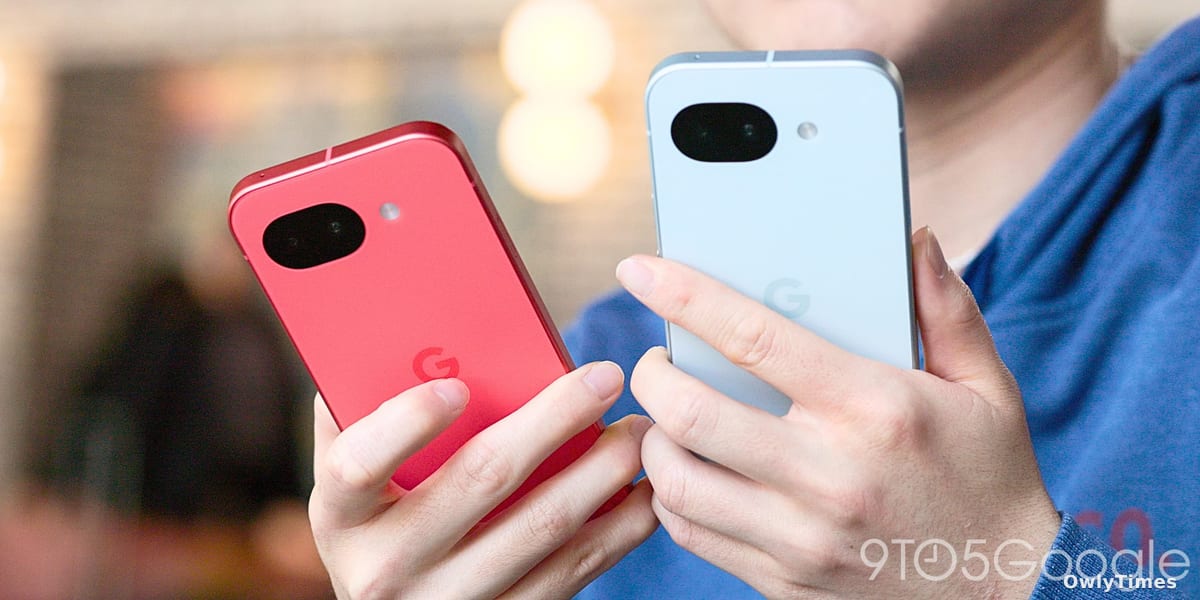

$0 Upfront for Pixels: Google Shifts Trade-In Strategy, But With Caveats
A seemingly small change in how Google handles smartphone trade-ins – applying the credit at the point of sale rather than as a reimbursement – represents a significant, and calculated, shift in the company’s competitive positioning. As of the Pixel 10a launch, and initially available to a “limited number of users” in the US, Google is now mirroring Samsung’s approach, effectively offering zero-down financing on new devices. This isn’t simply a customer perk; it’s a strategic move to address a key friction point in the purchase process and potentially unlock higher sales volume.
Based on the original 9to5Google report.
The traditional model, where consumers pay full price upfront and await a separate trade-in refund, creates a psychological barrier. Even if the eventual refund is substantial, the immediate outflow of cash can deter purchases, particularly in a market increasingly sensitive to economic pressures. Google’s new system, spotted by Droid-Life, eliminates this barrier. A customer trading in an eligible device sees the trade-in value deducted directly from the purchase price at checkout. This mirrors Samsung’s established practice, and the pressure is now on other manufacturers to respond. The key difference, however, is the 30-day window. If the traded-in device isn’t shipped within that timeframe, the customer is charged the full original amount – a risk transfer that warrants close attention.
This move isn’t without financial implications for Google. While the company states the final trade-in value is assessed after device inspection, the initial credit is extended with a degree of trust. The potential for discrepancies between the customer’s self-assessment and the actual condition of the device introduces a risk of chargebacks or reduced trade-in values. Google mitigates this with a 5-business-day inspection period and clear terms outlining potential charges, but the company is essentially fronting the cost of the trade-in, a departure from the previous reimbursement model. This is a calculated risk, however, as the increased conversion rate from removing the upfront cost is likely to outweigh the potential losses from inaccurate assessments, especially given the relatively small initial rollout.
The “limited number of users” caveat is crucial. Google’s support page confirms the program’s restricted availability, and while the company hasn’t explicitly stated the criteria for eligibility, it’s likely a test run to assess operational challenges and refine the process before a wider launch. This phased rollout allows Google to monitor key metrics – trade-in rates, device condition accuracy, and customer satisfaction – without exposing the entire system to potential issues. The fact that this is currently a US exclusive also suggests a focus on the most competitive North American market, where consumer expectations around financing and trade-in programs are highest. Year-over-year, trade-in participation has increased 15% across major smartphone brands, according to Counterpoint Research, demonstrating the growing importance of this purchasing method.
Beyond the immediate financial impact, this change signals a broader shift in Google’s retail strategy. By streamlining the trade-in process and reducing upfront costs, Google is attempting to emulate the frictionless experience offered by subscription services and other “pay-as-you-go” models. This aligns with the company’s broader efforts to build a more integrated and user-friendly ecosystem. The potential for excess trade-in value to be issued as Google Store credit further reinforces this goal, incentivizing customers to remain within the Google ecosystem.
What this means for your wallet: If you’re in the US and eligible for Google’s instant trade-in program, the Pixel 10a – or any other Pixel phone or Watch – just became significantly more affordable. However, carefully track the 30-day shipping window for your trade-in device. Failing to meet that deadline will negate the discount and leave you on the hook for the full purchase price. The key question for consumers now is: will this limited rollout expand, and if so, how quickly? Watch for announcements regarding wider availability and any changes to the 30-day trade-in window – that’s where the true value, or potential pitfalls, of this new system will be revealed.





