
The bass thrummed through the speakers, a dembow rhythm that felt less like a song and more like a heartbeat. But this wasn’t a club in San Juan. It was a lecture hall at the University of Wisconsin-Madison, where Jorell Melendez-Badillo, a historian of the Caribbean, was using Bad Bunny’s Grammy-winning album, “DeBÍ TiRAR MáS FOToS,” to deliver a 45-minute history lesson to the Phi Alpha Theta honor society on February 25th. It’s a collision of worlds – academic rigor and global pop sensation – that speaks to a larger cultural moment: the reclaiming of narratives, and the surprising places where history is now being fought for. This isn’t just about a musician referencing his roots; it’s about a historian actively weaponizing pop culture to counter centuries of colonial erasure.
A History Written by Conquerors
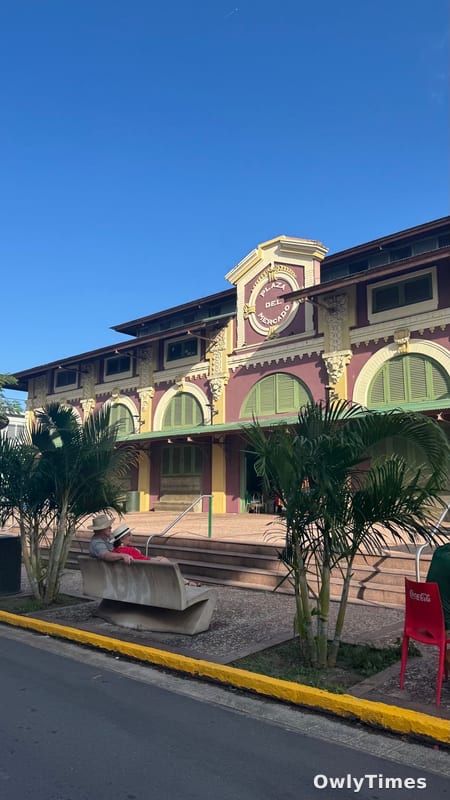
For over 300 years, from 1508 to 1898, Puerto Rico was a Spanish colony. But the history of Puerto Rico, as it was taught and recorded, was largely the history written by Spain. Melendez-Badillo, author of the acclaimed “Puerto Rico: A National History,” explained that this meant barriers to education for Puerto Ricans, and a historical record skewed by the perspective of the colonizer. The shift to U.S. occupation in 1898 didn’t fundamentally change this dynamic. While the Americans brought a greater emphasis on education, it was largely geared towards “Americanization,” a subtle but powerful form of cultural control. This pattern of imposed narratives, of history as a tool of power, is the core challenge facing scholars like Melendez-Badillo. He isn’t simply filling in gaps; he’s dismantling a framework built to silence a people.
Original reporting: badgerherald.com.
The Commonwealth Conundrum and a Culture Under Attack
The story doesn’t end with a simple transfer of power. In 1952, Puerto Rico became a U.S. commonwealth, a status that granted more autonomy but crucially, didn’t resolve the fundamental question of sovereignty. This political limbo, existing “between the United States and Latin America,” as Melendez-Badillo put it, continues to shape the island’s identity and its struggles. And those struggles are intensifying. Today, Puerto Rico is facing a crisis in education, with schools closing and funding being slashed. Melendez-Badillo frames this not as a budgetary issue, but as a “privatization of culture,” a deliberate attack on the very foundations of Puerto Rican identity. The erosion of public education directly impacts access to a history that has already been systematically suppressed. This isn’t just about textbooks; it’s about who controls the story.
When Bad Bunny Calls a Historian
This is where the collaboration with Bad Bunny becomes so significant. The artist, whose music consistently tops global streaming charts, recognized the power of historical context. After reading Melendez-Badillo’s work, he reached out, seeking a historical lens for “DeBÍ TiRAR MáS FOToS.” The result was a series of 17 historical narratives created by Melendez-Badillo to accompany the album’s YouTube visualizers, effectively turning music videos into mini-history lessons. The reach is staggering: the visualizer for “DtMF” alone has garnered 115 million views. This isn’t a celebrity endorsement; it’s a strategic alliance. Bad Bunny isn’t just featuring Puerto Rican history, he’s distributing it to an audience of millions, bypassing traditional academic channels and reaching people who might never pick up a history book.
Beyond the Headlines: Democratizing History
The success of this collaboration highlights a crucial shift in how history is being consumed and disseminated. For decades, historical scholarship has often been confined to academic journals and university classrooms, inaccessible to the broader public. Melendez-Badillo’s work, and his partnership with Bad Bunny, actively challenges this model. He’s not just writing history; he’s democratizing it, making it available and engaging for a mass audience. This raises a critical question: what responsibility do artists have to engage with history, and what role can historians play in shaping popular culture? The fact that a global superstar actively sought out a historian demonstrates a growing awareness of the power of narrative and the importance of reclaiming marginalized voices. This isn’t simply a feel-good story about cultural pride; it’s a blueprint for a new kind of historical engagement.
Looking ahead, the question isn’t whether other artists will follow Bad Bunny’s lead, but whether institutions will adapt to this changing landscape. Will universities and museums embrace collaborations with popular culture, or will they continue to operate in isolation? The future of historical understanding may depend on the answer.