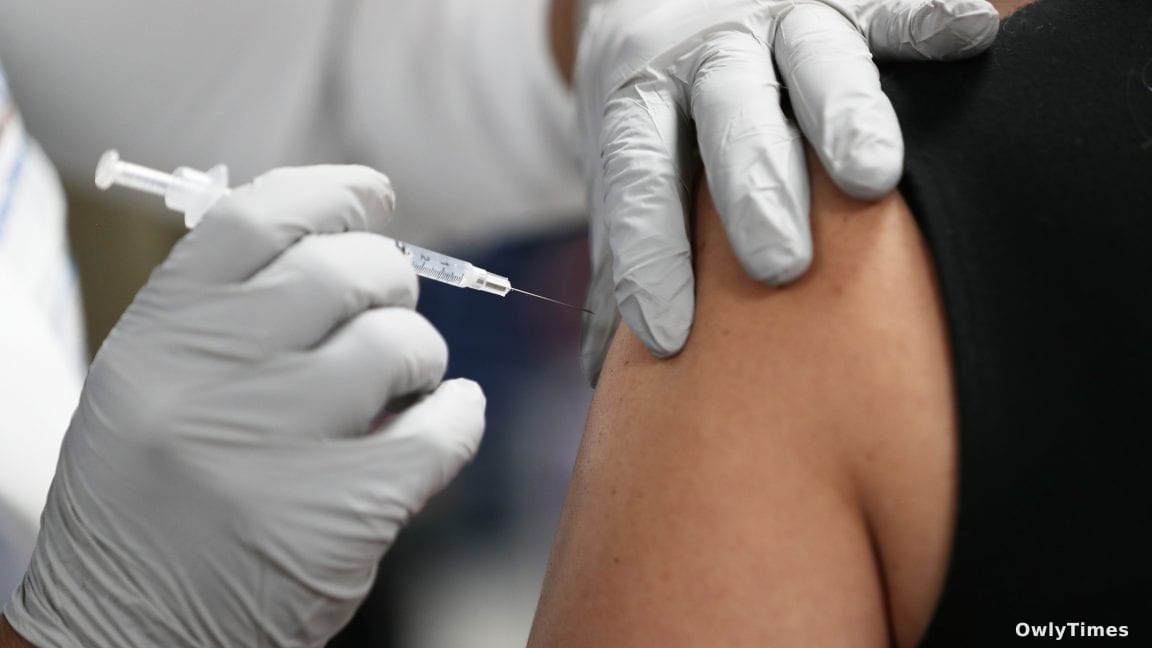

The steady erosion of public trust in established scientific institutions is rarely a sudden event, but rather a gradual chipping away at decades of carefully built consensus. Recent actions by the Trump administration, specifically concerning childhood vaccination schedules, represent not merely a policy shift, but a calculated gamble with public health – and a stark illustration of how ideological agendas can supersede evidence-based decision-making. While headlines proclaim a “loosening” of vaccine recommendations, the reality is a more disruptive dismantling of a system designed to protect communities from preventable diseases, a system now facing a legal challenge from fifteen states. The core question isn’t simply whether parents should have more choice in vaccination, but how those choices are informed, and whether a federal agency is justified in actively sowing doubt where decades of research have established clear benefits.
The lawsuit, spearheaded by California Attorney General Rob Bonta and Arizona Attorney General Kris Mayes, directly challenges Robert F. Kennedy Jr., currently serving as Health and Human Services Secretary, alongside the Department of Health and Human Services (HHS) and the Centers for Disease Control and Prevention (CDC). The charges center on Kennedy’s abrupt overhaul of the Advisory Committee on Immunization Practices (ACIP), the body responsible for recommending vaccine schedules, and the subsequent rescinding of routine recommendations for seven childhood vaccines – rotavirus, meningococcal disease, hepatitis A, hepatitis B, influenza, COVID-19, and respiratory syncytial virus. It’s crucial to understand that the CDC didn’t declare these vaccines unsafe; rather, they shifted from “universally recommended” to requiring a case-by-case consultation with a physician, a change that, while seemingly nuanced, carries significant implications for access and uptake.
This piece references the Ars Technica report.
The administration’s justification, citing Denmark’s more limited schedule, is a particularly concerning point of contention. As Mayes pointed out in a press briefing, simply mirroring another country’s policy ignores fundamental differences in healthcare infrastructure and disease prevalence. Denmark boasts universal healthcare and a significantly smaller population with fewer circulating infectious diseases. To suggest that the US, with its fragmented healthcare system and a population exceeding 330 million, can adopt the same approach without consequence is, at best, a simplification and, at worst, a deliberate misrepresentation. This isn’t about offering families more options; it’s about creating a system where access to informed decision-making is unevenly distributed, disproportionately impacting vulnerable populations who already face barriers to healthcare. The lawsuit highlights that millions of Americans lack consistent access to healthcare providers who could provide these individualized consultations, effectively leaving their children unprotected.
The timing of these changes is particularly alarming given the increasing threat of climate-fueled disease outbreaks. Researchers have demonstrated a clear link between climate hazards – droughts, floods, heatwaves – and the spread of infectious diseases, either by weakening human resistance or enhancing pathogen transmission. A 2022 study in Nature Climate Change found that climatic hazards exacerbate more than half of known human infectious diseases. As climate change intensifies, the need for robust public health measures, including widespread vaccination, becomes even more critical. To simultaneously undermine vaccination efforts and ignore the escalating climate crisis is a dangerous paradox, creating a scenario where communities are increasingly susceptible to preventable illnesses. Arizona’s experience with extreme heat, and the heightened vulnerability of individuals with underlying conditions, serves as a stark example of this interconnected risk.
The core of the legal argument rests on the claim that Kennedy’s actions were driven by a pre-existing anti-vaccine ideology, a position he has publicly espoused for years, including promoting debunked theories linking vaccines to autism. The swift firing of the ACIP’s expert panel, despite a prior commitment to Congress to leave it intact, further fuels this perception. The replacement of qualified scientists with individuals whose views align with Kennedy’s raises serious questions about the integrity of the decision-making process. The CDC’s own data, published in August 2024 prior to the recent administrative changes, demonstrates the profound impact of vaccination programs: between 1994 and 2023, routine childhood vaccinations prevented approximately 508 million cases of illness, 32 million hospitalizations, and 1,129,000 deaths, resulting in billions of dollars in healthcare savings. To deliberately dismantle a system with such a demonstrable track record of success is not simply a policy disagreement; it’s a rejection of scientific evidence and a disregard for public health.
HHS’s dismissive response to the lawsuit, labeling it a “publicity stunt,” underscores the administration’s unwillingness to engage in a substantive discussion about the scientific basis for its decisions. The claim that the changes reflect “common-sense public health policy” rings hollow when juxtaposed with the overwhelming consensus of the scientific community. The next steps in this legal battle will be crucial. The courts will need to determine whether the administration overstepped its authority in revising the vaccine schedule and reconstituting the ACIP, and whether those actions were motivated by legitimate public health concerns or by ideological bias. But beyond the legal outcome, a more fundamental question remains: how do we rebuild public trust in science and ensure that public health policies are guided by evidence, not ideology? We should watch for trends in vaccination rates in the coming years, particularly in states with limited healthcare access, and monitor for any resurgence of preventable diseases. The health of our communities, and our ability to adapt to a changing climate, may depend on it.





