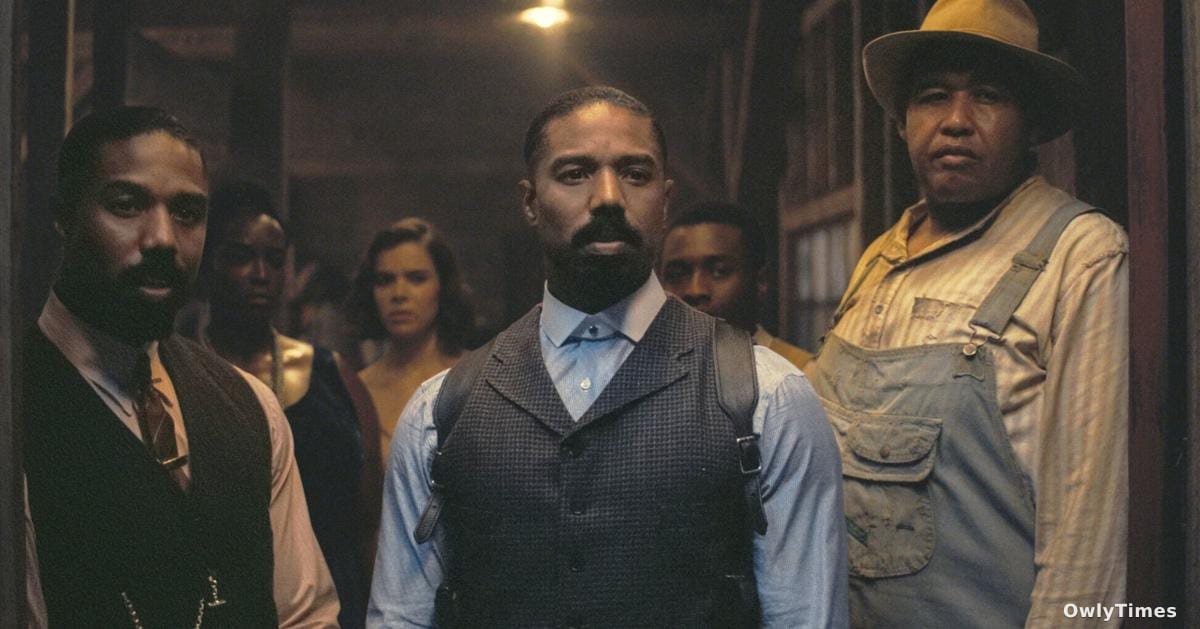

The scent of frying fish hung heavy in the humid air, a promise of community and a taste of the past. But this wasn’t just any Saturday afternoon cookout. At The Hub in Convent, Louisiana, a gathering was brewing that aimed to do more than feed bellies – it sought to feed a future. This weekend, Inclusive Louisiana and the Rolling on the River Alliance are hosting a “River Road Juke Joint,” a celebration of Black Southern culture timed perfectly with the looming broadcast of “Sinners,” the film that’s captured the nation’s attention with a record-breaking 16 Oscar nominations. It’s a confluence of heritage and Hollywood, and a pointed question mark over who gets to benefit when a place’s story is told on a global stage.
Juke Joints: More Than Just a Good Time
The juke joint, for those unfamiliar, wasn’t simply a place to dance. Emerging in the post-Reconstruction South, these informal establishments – often operating outside the law – were vital spaces for Black communities to gather, create, and maintain culture in the face of systemic oppression. They were incubators for blues, jazz, and R&B, and offered a rare haven for self-expression. The event on Saturday, starting at 2 p.m. with a program on the history of these spaces in the River Parishes, isn’t about nostalgia; it’s about recognizing the economic and social power embedded within that history. “The event celebrates Black Southern culture and the connection between heritage preservation and economic opportunity,” the news release states, but the subtext is clear: opportunity for whom? Louisiana’s film industry, currently enjoying a boom fueled in part by tax incentives, generated an estimated $1.1 billion in economic impact in 2023, according to the Louisiana Economic Development agency – a 22% increase from the previous year. But that wealth isn’t always distributed equitably.
Based on the original NOLA.com report.
“Sinners” and the Specter of Extraction
“Sinners,” directed by Joshua Caleb Johnson, was filmed entirely in Louisiana, utilizing local crew and talent. The film’s success is undeniably a win for the state’s burgeoning film industry, but the sheer scale of its Oscar attention – 16 nominations, a new record – also raises uncomfortable questions. The film, a faith-based thriller, centers on a woman grappling with a dark past, and its setting is integral to the narrative. But how much of the River Parishes’ unique character, its history, and its people will translate into lasting economic benefits for the communities that inspired it? The screening at 5 p.m. Saturday isn’t just a celebratory viewing; it’s a test case. Will the film’s success trickle down, creating sustainable jobs and opportunities for local residents, or will it be another example of cultural extraction, where a place’s story is monetized without meaningful reinvestment?
Beyond the Red Carpet: Building Local Capacity
The Rolling on the River Alliance’s broader series of events this month is a direct attempt to address this imbalance. By focusing on “exposing River Parishes residents with opportunities in Louisiana’s film industry,” the Alliance is aiming to build local capacity, ensuring that communities aren’t just featured in films, but actively participate in their creation. This isn’t about simply filling entry-level positions; it’s about fostering a pipeline of skilled professionals – cinematographers, editors, sound engineers, and more – who can contribute to the industry long after the Oscar buzz fades. The fish fry and historical program at the Juke Joint event are deliberate choices, grounding the conversation in the lived experiences of the people who call the River Parishes home. It’s a reminder that economic development isn’t just about numbers; it’s about preserving culture and empowering communities.
A Moment to Watch: Ownership of the Narrative
The timing of this event, coinciding with the Oscar broadcast on Sunday at 6 p.m. on ABC and Hulu, is no accident. It’s a strategic attempt to insert a crucial conversation into the national narrative surrounding “Sinners.” As the film’s stars walk the red carpet, and the awards are handed out, the residents of Convent, Louisiana, will be gathering to ask a vital question: who owns this story? And more importantly, who benefits from it? The success of “Sinners” is a powerful symbol of Louisiana’s potential, but it’s also a challenge. Will the state – and the industry – seize this moment to create a more equitable and sustainable future, or will it allow the benefits to flow to the same familiar channels? The answer will be written not just in the Oscar results, but in the opportunities created for the communities along the River Road in the months and years to come. Will we see concrete investments in film education and job training programs in the River Parishes? That’s the metric to watch.