
Is the modern era of hyper-connectivity actually making us more fragile? Whether it’s the chaotic intersection of high-stakes sports geopolitics or the literal fires burning across Southern Europe, we are seeing that when systems—be they tournament brackets or climate-stressed landscapes—are pushed to their limits, they don’t just bend; they break in ways that disrupt our daily routines.
The real story here isn't the headlines about individual stars or singular weather events—it's the accelerating volatility of our global infrastructure. In the sports world, the 2026 FIFA World Cup has devolved into a spectacle of administrative friction. According to Al Jazeera, FIFA has faced intense backlash after suspending a one-match ban for USA player Folarin Balogun, a move allegedly triggered by direct contact between President Donald Trump and FIFA chief Gianni Infantino. This intervention has effectively hijacked the narrative ahead of Monday’s USA-Belgium clash, overshadowing the actual tournament performance.
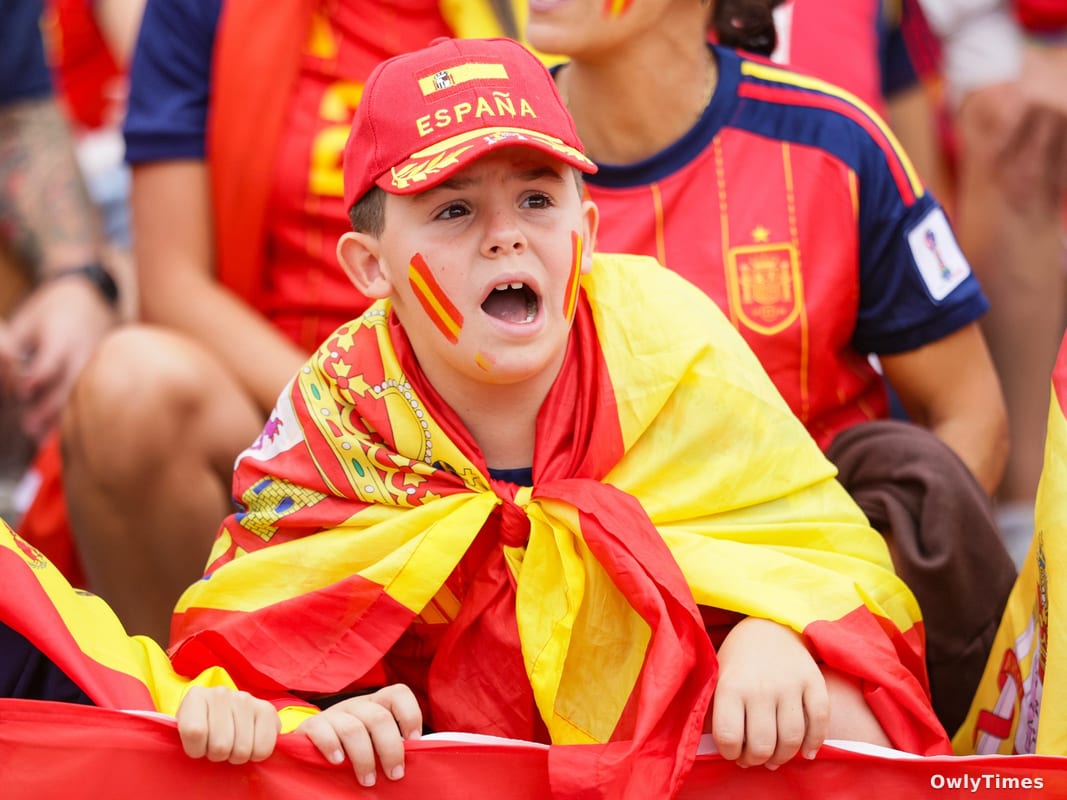
The tech industry often sells us on the idea that "data-driven" decisions lead to stability, but the reality is often messier. In the same tournament, Opta’s supercomputer—a tool used to simulate match outcomes—has been working overtime to quantify the unpredictability of human performance. As reported by Al Jazeera, the model favors Spain with a 49.2 percent win probability against Portugal, while the USA-Belgium game remains a statistical toss-up with only a 0.7 percent gap in win probability between the two sides. Yet, these numbers provide little comfort to the players involved. Cristiano Ronaldo, facing a high-pressure elimination match against Spain, noted in a press conference that "they’ve tried to kill me for 23 years," highlighting the emotional toll that persists despite the sterile certainty of algorithmic predictions, as detailed by The Guardian.
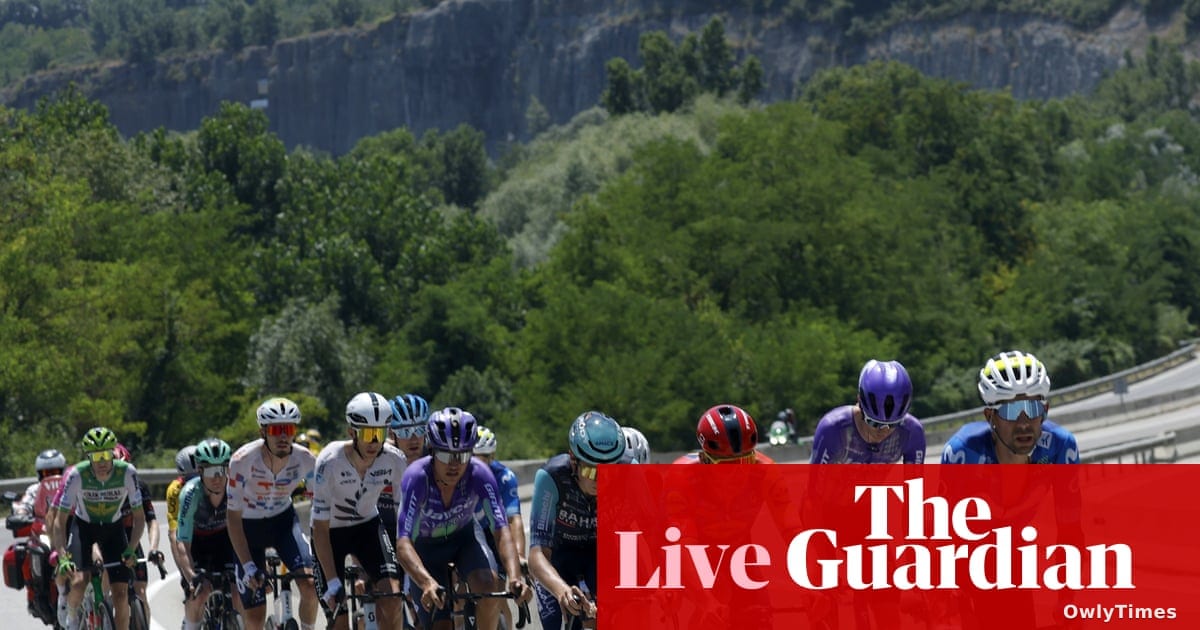
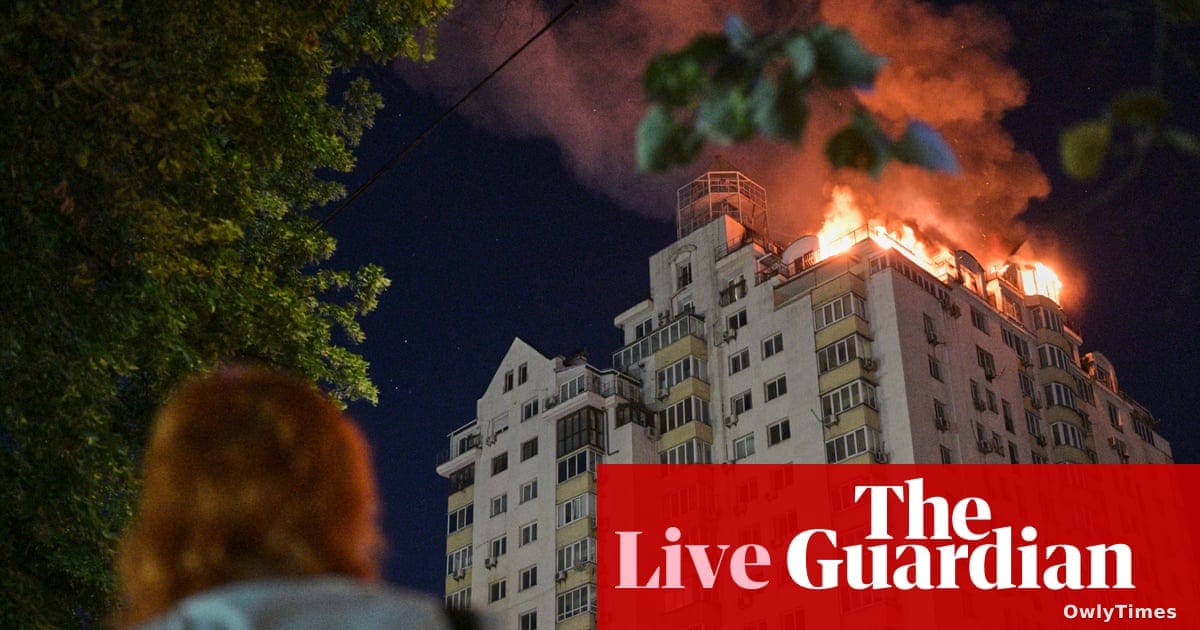
While sports fans debate red cards and press conferences, a more tangible crisis is unfolding across the Mediterranean. A massive wildfire in central Portugal has scorched 12,000 hectares, an incident ABC News confirms has drawn in international aid from Spain and Italy. However, reporting from Euronews adds a broader, more alarming context: the fires are not isolated, but part of a multi-country inferno spanning Portugal, Spain, France, and Greece that has devastated over 190 square kilometers of land. The physical reality of these fires—much like the political firestorm around FIFA—is forcing immediate, non-negotiable changes to daily life. In France, the Tour de France has been forced to bar spectators from a stage through the Pyrenees to mitigate fire risks, according to Euronews.
The discrepancy in how we track these events is worth noting. While ABC News reports 12,000 hectares burned in Portugal, Euronews puts that figure at 13,000 hectares. These are not just rounding errors; they reflect the difficulty of monitoring a rapidly evolving environment where the scale of destruction can outpace our ability to measure it.
We should expect more "out of bounds" interventions in the coming days. With temperatures in Southern Europe projected to hit 40C and the World Cup knockout rounds proceeding, the next signal to watch is the EU’s ability to coordinate resource deployment, specifically the four water-bombing planes currently being moved to France, which will serve as a bellwether for whether international cooperation can actually contain these systemic pressures before the week is out.