
Beyond the Recall Notice: Understanding the Rise of Contaminated Supplements
The recent recall of Rosabella-brand moringa powder, linked to a multi-state Salmonella outbreak, isn’t simply a story about one contaminated product. It’s a stark illustration of a growing vulnerability in the supplement industry – and a challenge for consumers navigating a market often outpacing regulatory oversight. While headlines focus on the seven confirmed illnesses across Arizona, Florida, Iowa, Illinois, Indiana, Tennessee, and Washington, including three hospitalizations, the underlying question is why a product marketed for health is causing illness, and what this reveals about the broader landscape of supplement safety. This isn’t the first instance of contamination within the “natural health” sector, and understanding the factors driving these outbreaks is crucial for protecting public health.
This article draws on reporting from CBS News.
The current investigation, a collaborative effort between the Centers for Disease Control and Prevention (CDC), the Food and Drug Administration (FDA), and state public health departments, centers on specific lots of Rosabella moringa capsules – identified by SKU number 1356 followed by a -1 or -2 lot code, with expiration dates ranging from March 2027 to November 2027. Ambrosia Brands, the distributor, initiated a voluntary recall after the connection to the Salmonella cases was established. It’s important to note that the FDA’s involvement here is reactive; the agency typically steps in after an outbreak is identified, rather than proactively preventing contamination. This highlights a fundamental tension in supplement regulation: the onus largely falls on manufacturers to ensure safety, with the FDA primarily responsible for post-market surveillance and enforcement. The product was widely available through direct-to-consumer channels like Rosabella’s website and TikTok Shop, as well as through larger online retailers like Ebay and Shein, demonstrating the complex distribution networks that can complicate tracing and recall efforts.
The concern is amplified by the fact that some of the identified Salmonella strains exhibit drug resistance. This means standard antibiotic treatments may be less effective, potentially leading to more severe illness and prolonged recovery. While the CDC emphasizes that most people recover from Salmonella infections without treatment, individuals with compromised immune systems are at significantly higher risk of serious complications, even death. The agency’s advice – to discard any Rosabella moringa capsules, thoroughly clean surfaces that may have come into contact with the product, and monitor for symptoms like fever, dehydration, diarrhea, and vomiting – is standard protocol, but it underscores the potential severity of the situation. The fact that three individuals required hospitalization suggests this outbreak isn’t limited to mild cases.
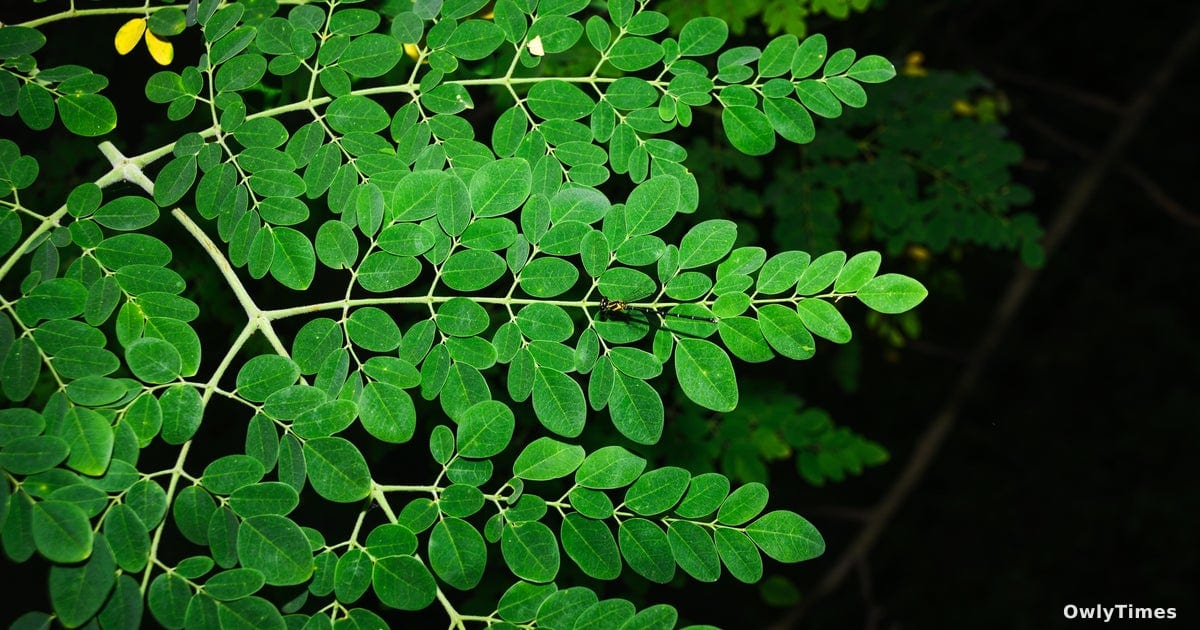
Moringa itself, derived from the Moringa oleifera tree, is rich in essential nutrients and has been traditionally used in various cultures for medicinal purposes. However, as a recent article from the Cleveland Clinic points out, many of the health claims surrounding moringa – particularly those aggressively marketed by supplement companies – lack robust scientific backing. The Clinic’s assessment is critical: “Much more (and better quality) research is needed before healthcare providers can say that moringa prevents or treats illness of any kind.” This disconnect between marketing hype and scientific evidence is a recurring theme in the supplement industry, creating a fertile ground for both ineffective products and, as this case demonstrates, potentially dangerous ones. The appeal of “natural” remedies often overshadows the need for rigorous testing and quality control.
Limitations to Consider
It’s crucial to acknowledge the limitations of the current investigation. The CDC’s case count of seven is likely an underestimate. Salmonella infections often go unreported, particularly mild cases, and establishing a definitive link between illness and a specific product requires extensive epidemiological work. Furthermore, the investigation is ongoing, and the source of the contamination within the supply chain remains unknown. Was it a problem with the raw moringa leaves, the manufacturing process, or packaging? Identifying the root cause is essential for preventing future outbreaks, but it’s a complex undertaking. The reliance on voluntary recalls also presents a challenge; while Ambrosia Brands cooperated, not all companies are equally responsive.
Looking ahead, the focus must shift towards strengthening supplement regulation and improving supply chain transparency. The FDA’s current authority over supplements is significantly less stringent than its authority over pharmaceuticals. A key next step is increased funding for FDA inspections of supplement manufacturing facilities and more robust testing of imported ingredients. Equally important is developing standardized quality control measures and traceability systems throughout the entire supply chain – from farm to consumer. Consumers, too, have a role to play by being critical of health claims, purchasing supplements from reputable brands, and reporting any adverse reactions to the FDA. The question isn’t if another outbreak will occur, but when – and whether we will have taken sufficient steps to minimize the risk and protect public health.





