
Beyond the Recall Notice: Understanding the Nuances of Dairy Safety
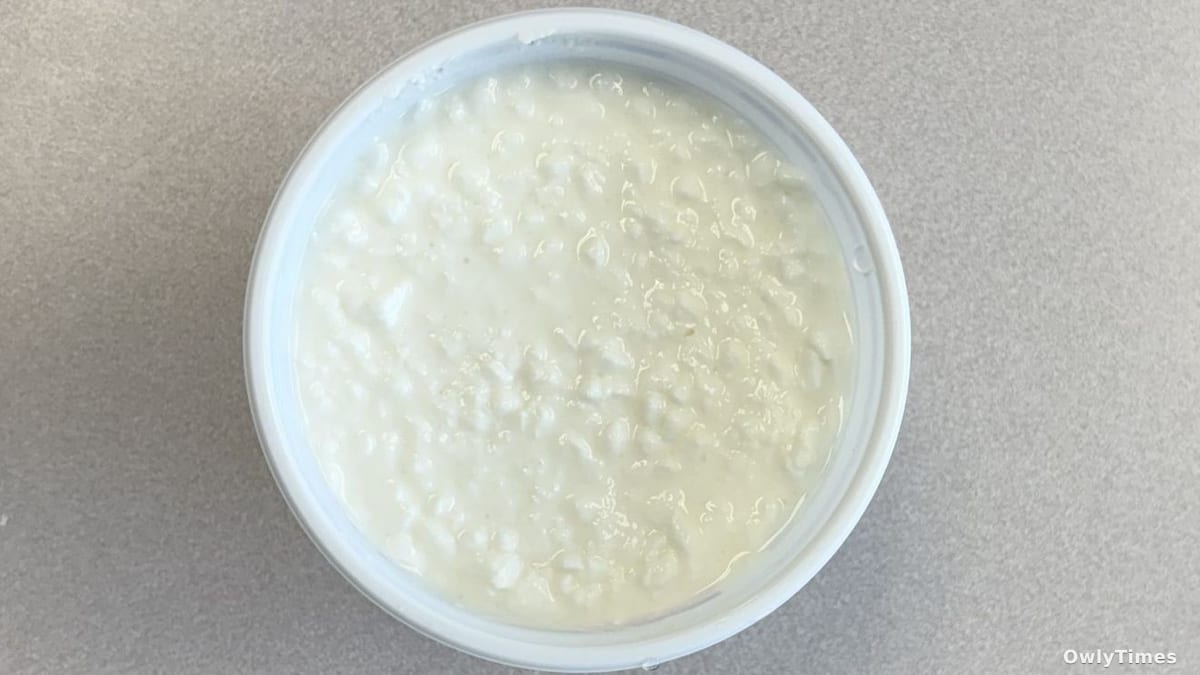
The recent voluntary recall of Saputo Cheese USA Inc.’s Great Value cottage cheese, sold at Walmart stores across 24 states, isn’t simply a matter of discarding a potentially contaminated product. It’s a window into the complex systems of quality control within large-scale food production, and a reminder that “pasteurized” isn’t always a guarantee. While headlines focus on the risk of illness from unpasteurized dairy, the core of this event lies in a troubleshooting process – a proactive identification of a potential lapse in a critical safety step. This isn’t a case of widespread contamination discovered after consumer reports of illness, but a preventative measure triggered by internal monitoring and collaboration with state agricultural officials.
The recall, announced by the Food and Drug Administration (FDA) on February 29th, affects specific “Best By” dates ranging from April 1st to April 3rd, 2026, across various sizes of Great Value small curd, lowfat, and fat-free cottage cheese. The issue stemmed from concerns that liquid dairy ingredients used in production hadn’t undergone complete pasteurization, a process that heats milk to kill harmful bacteria like E. coli, Salmonella, and Listeria. It’s crucial to understand that the FDA’s announcement specifies a potential failure to meet state standards for pasteurization, suggesting the discrepancy wasn’t necessarily a violation of federal regulations, but a deviation from the stricter requirements of California, where the issue was initially identified during routine equipment checks. Saputo reports the pasteurizer has since been restored to full functionality and verified by the California Department of Food and Agriculture.
This article draws on reporting from komonews.com.
The immediate concern, understandably, is for vulnerable populations. Consuming unpasteurized dairy products carries heightened risks for young children, the elderly, and individuals with compromised immune systems. These groups are less able to fight off infections that might not affect a healthy adult. However, it’s important to note – and reassuring to consumers – that as of the FDA announcement, no illnesses have been reported in connection with the potentially affected cottage cheese. This speaks to the effectiveness of preventative recall measures, and the relatively narrow scope of the issue. The affected products were sold between February 17th and February 20th, 2026, a surprisingly long sales window given the relatively short “Best By” dates, and one that highlights the importance of consumers diligently checking product labeling.
The Role of Routine Troubleshooting in Food Safety
What distinguishes this recall from others is the proactive nature of its discovery. The problem wasn’t identified through consumer complaints or a widespread outbreak; it was uncovered during routine pasteurizer troubleshooting. This underscores the importance of robust internal quality control systems within food processing facilities. Saputo’s collaboration with the California Department of Food and Agriculture is also noteworthy. This partnership demonstrates a commitment to transparency and a willingness to engage with regulatory bodies to ensure product safety. The fact that the issue was isolated to this specific production line, and no other products from the facility were affected, further suggests a contained and well-managed situation. This contrasts with recalls stemming from broader systemic failures, which often necessitate more extensive investigations and wider-reaching product withdrawals.
Limitations to Consider: The “Best By” Date Paradox
Despite the reassuring aspects of this recall, several limitations warrant consideration. “Best By” dates are indicators of quality, not safety. A product past its “Best By” date isn’t necessarily unsafe to consume, but its texture and flavor may have deteriorated. This can lead to consumer confusion, particularly in the context of a recall. Individuals might assume that any cottage cheese with a “Best By” date near the recalled range is automatically unsafe, even if it falls outside the specified dates. Furthermore, the recall relies on consumers actively checking the “Best By” dates on their purchased products – a behavior that isn’t universally practiced. The reliance on consumer action introduces a degree of uncertainty in the recall’s effectiveness. Finally, the recall only addresses the potential for incomplete pasteurization of liquid dairy ingredients; it doesn’t account for other potential sources of contamination that could occur during packaging or distribution.
Looking ahead, the focus should be on refining pasteurization monitoring techniques and enhancing data analysis to identify potential issues before they escalate. The FDA and state agricultural departments should continue to prioritize proactive inspections and collaborative troubleshooting efforts with food manufacturers. A crucial next step is a thorough review of Saputo’s pasteurization protocols and quality control procedures to identify any vulnerabilities that contributed to this incident. Beyond this specific case, research into more precise and real-time pasteurization verification methods is needed. Currently, pasteurization is often verified through periodic testing of finished products. Developing technologies that can continuously monitor pasteurization levels during the production process would provide an additional layer of safety and allow for immediate corrective action if deviations occur. Consumers should watch for further announcements from the FDA regarding the effectiveness of this recall and any potential expansion of the affected product list. The question remains: will this incident prompt a broader re-evaluation of pasteurization standards and quality control practices within the dairy industry, or will it remain an isolated event?





