
A Resurgence of RPG Variety: Examining This Week’s Diverse Game Lineup
This week’s release schedule for role-playing games isn’t just “colorful,” as Mike Salbato of OwlyTimes notes – it’s indicative of a broader trend within the industry: a deliberate catering to niche audiences and a revival of previously inaccessible titles. While blockbuster RPGs dominate headlines, the sheer variety on offer this week – from Compile Heart’s quirky antics to a long-lost DS gem – signals a healthy ecosystem where smaller, more focused experiences can thrive. This is particularly noteworthy following a period where the RPG landscape felt increasingly dominated by sprawling, open-world titles. The current lineup suggests a recalibration, acknowledging that not all players crave hundreds of hours of gameplay.
Reporting from rpgfan.com informs this analysis.
Background & Context: The Shifting RPG Market
The RPG market has undergone significant evolution. The early 2000s saw a flourishing of handheld RPGs, like WiZmans World (originally released in 2010), often constrained by technical limitations but brimming with creative design. Many of these titles never received Western releases due to localization costs and perceived market demand. The rise of digital distribution and dedicated publishers like City Connection – itself a nod to classic Jaleco titles – are now actively resurrecting these forgotten gems. Simultaneously, the success of indie RPGs like Stardew Valley and Undertale demonstrated a hunger for smaller-scale, narrative-driven experiences. This demand has encouraged developers to explore more focused concepts, as seen with Under the Island, which deliberately draws inspiration from the intimate scope of The Legend of Zelda: Link’s Awakening.
Analyzing the Releases: From Quirky to Cult Classics
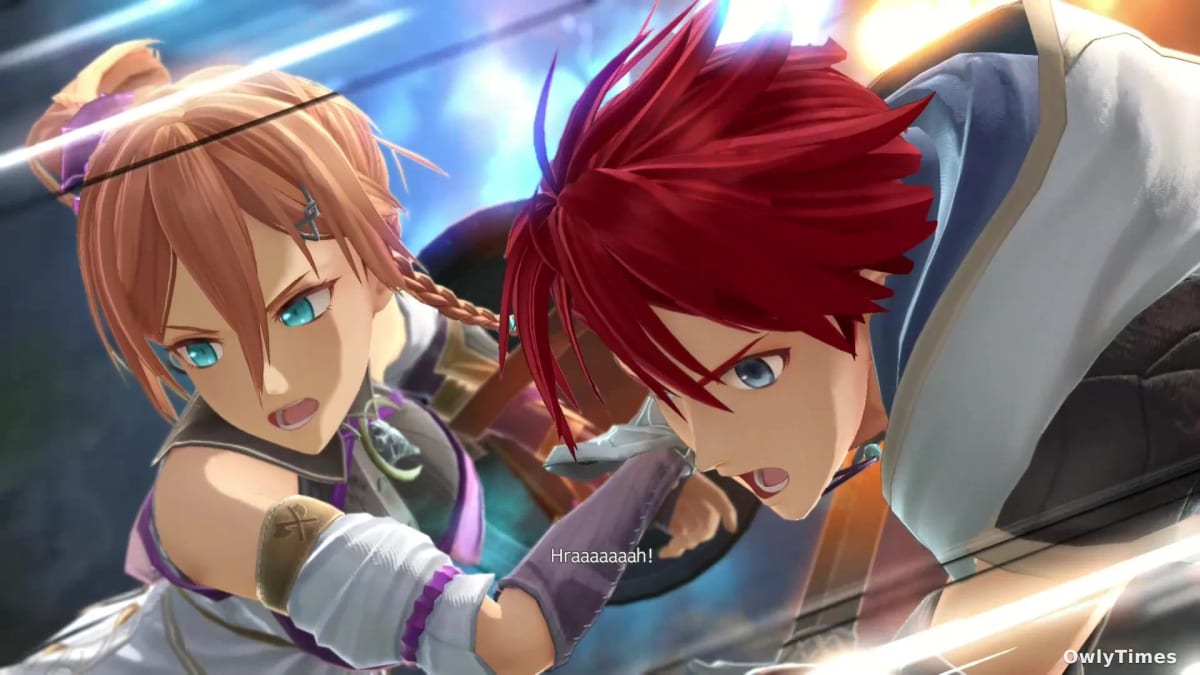
The lineup’s diversity is striking. Calamity Angels: Special Delivery leans into the established, often deliberately over-the-top, style of Compile Heart, known for titles like the Hyperdimension Neptunia series. This represents a continuation of a specific brand of Japanese RPG humor and gameplay, appealing to a dedicated fanbase. In contrast, the re-release of WiZmans World Re;Try is a fascinating case study in preservation and rediscovery. The remastering of pixel graphics and UI adjustments for modern devices demonstrate a commitment to accessibility, allowing a new generation to experience a previously unavailable title. The quick turnaround of Ys X: Proud Nordics, an expanded port of a 2024 release, is unusual. While not necessarily negative, it raises questions about the initial release’s completeness and the publisher’s strategy for maximizing revenue. Finally, Paranormasight: The Mermaid’s Curse, with its rapid development cycle following its announcement, suggests a streamlined production process and a willingness to capitalize on existing franchise recognition.
What This Means: Implications for Players and the Industry
This week’s releases have different implications for various stakeholders. For players, it means more choice and the opportunity to explore genres and styles beyond the mainstream. The availability of a demo for Under the Island is a positive trend, allowing consumers to sample a game before committing to a purchase. For developers, it demonstrates that there’s a viable market for niche RPGs, encouraging experimentation and innovation. The success of titles like WiZmans World Re;Try could incentivize other publishers to revisit their back catalogs and unearth hidden gems. However, the rapid release of “definitive editions” like Ys X: Proud Nordics could also lead to consumer fatigue and skepticism. The industry must balance the desire for continuous revenue with the need to build trust and deliver genuinely enhanced experiences.
Looking Ahead: The Future of RPG Diversity
The coming months will reveal whether this week’s diverse lineup is an anomaly or a harbinger of a broader trend. Key indicators to watch include the sales performance of these titles, the continued efforts of publishers like City Connection to revive classic RPGs, and the emergence of new indie RPGs that challenge conventional genre boundaries. The success of these smaller-scale titles will depend on effective marketing and community engagement. We should also anticipate further experimentation with hybrid models, blending elements of classic RPGs with modern gameplay mechanics. The RPG landscape is evolving, and this week’s releases suggest a future where variety and accessibility are valued as much as scale and spectacle.





