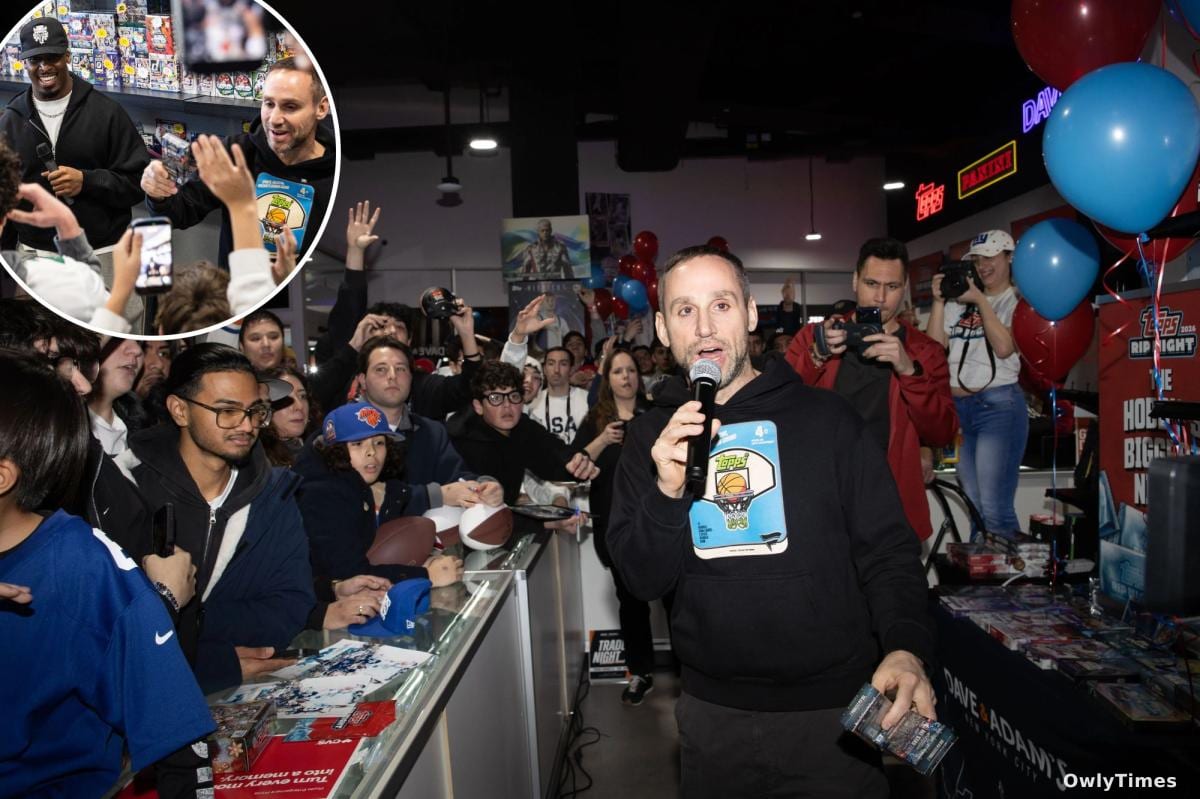

The air crackled with anticipation at the 800-store “Topps Rip Night” event last month, a scene Michael Rubin orchestrated with characteristic precision. Jets running back Breece Hall ripped open a pack of cards alongside fans, the collective gasp of potential fortune hanging in the air. But this wasn’t just about cardboard and autographs; it was a carefully constructed moment in a larger, more ambitious play by Fanatics, a company quietly reshaping the entire sports ecosystem. Rubin’s vision isn’t simply to sell jerseys and trading cards – it’s to own the entire fan experience, from the initial spark of collecting to the thrill (and risk) of a wager. And as he revealed in an exclusive interview with The Post, the stakes are only getting higher.
Beyond the Jersey: Fanatics’ Grip on the Fan Experience
For years, the sports merchandise landscape was fragmented. Fans bought jerseys from Nike, cards from Topps, and placed bets…well, often with unregulated bookmakers. Rubin saw an opportunity to consolidate, to create a closed-loop system where every touchpoint funneled back into the Fanatics universe. The acquisition of Topps, coupled with securing licensing deals for jerseys across major leagues, wasn’t about dominating individual markets, but about controlling the flow. This isn’t just retail; it’s data collection on a massive scale, understanding fan preferences to personalize offerings and, crucially, drive engagement with Fanatics Sportsbook. The company now boasts a 7-8% share of the sports betting market and 6% of the casino side – remarkable for a newcomer in a space dominated by established players like DraftKings and FanDuel, who spent billions building their brands.
Original reporting: the New York Post.
The sheer scale of Rubin’s ambition is staggering. He openly admits his initial goal was to “10X the amount of [sports card] collectors,” and while he concedes they’ve only “two or three times’d” that number in four years, the trajectory is clear. This isn’t organic growth fueled by nostalgia; it’s a calculated effort to cultivate a new generation of collectors, incentivized by the integration with FanCash, Fanatics’ digital currency. That currency isn’t just for merchandise; it’s a gateway to betting, blurring the lines between fandom and financial risk. The rollout of “FairPlay,” injury insurance on player prop bets, is a savvy move, addressing a key consumer concern and positioning Fanatics as a more responsible operator – a crucial narrative in a rapidly scrutinized industry.
The Athlete-First Strategy and Global Ambitions
What sets Fanatics apart, according to Rubin, is its athlete-first approach. He’s cultivated relationships with 5,000 athletes individually, even flying to Japan to meet Shohei Ohtani personally. This isn’t mere celebrity endorsement; it’s about securing buy-in from the players themselves, making them active participants in the Fanatics ecosystem. The “Topps Rip Night” events, featuring stars like Jaxson Dart, are designed to generate buzz and connect athletes directly with fans, reinforcing the value of collecting and, by extension, the Fanatics brand. This strategy is particularly potent in a culture increasingly focused on athlete empowerment and personal branding.
But Rubin’s gaze isn’t solely fixed on the American market. He sees “global football [soccer]” as the company’s biggest future opportunity. This expansion isn’t surprising. Soccer boasts a far larger and more passionate global fanbase than any American sport, offering a massive untapped market for Fanatics’ merchandise, cards, and betting platform. The challenge will be navigating the complexities of international licensing and cultural nuances, but the potential rewards are enormous.
Organic Growth and the Future of Collecting
Despite a rumored pursuit of Panini America, Rubin insists Fanatics is focused on organic growth, declaring, “We don’t think we need to buy anything to grow this business.” This is a significant statement, signaling a shift away from the aggressive acquisition spree that defined the company’s early years. He dismisses Panini as offering “nothing” to Fanatics, a bold claim that suggests he believes the company already possesses all the necessary assets to dominate the market.
Interestingly, Rubin also highlighted the potential of “re-packing cards,” a practice where high-value items are repackaged and resold. While Fanatics isn’t heavily involved currently, his acknowledgement suggests he’s closely monitoring this emerging trend, potentially seeing it as another avenue for revenue generation and engagement. This is a space ripe for disruption, and Fanatics, with its established infrastructure and vast network, is well-positioned to capitalize.
The question now isn’t if Fanatics will continue to grow, but how it will reshape the relationship between fans, athletes, and the sports they love. Will the seamless integration of merchandise, collectibles, and betting ultimately enhance the fan experience, or will it create a system that prioritizes profit over passion? And as Fanatics expands globally, will its athlete-first approach translate across cultures, or will it encounter resistance from players and fans who prioritize tradition and authenticity? The next few years will reveal whether Michael Rubin’s vision is a revolution or a takeover, and the sports world is watching closely.





