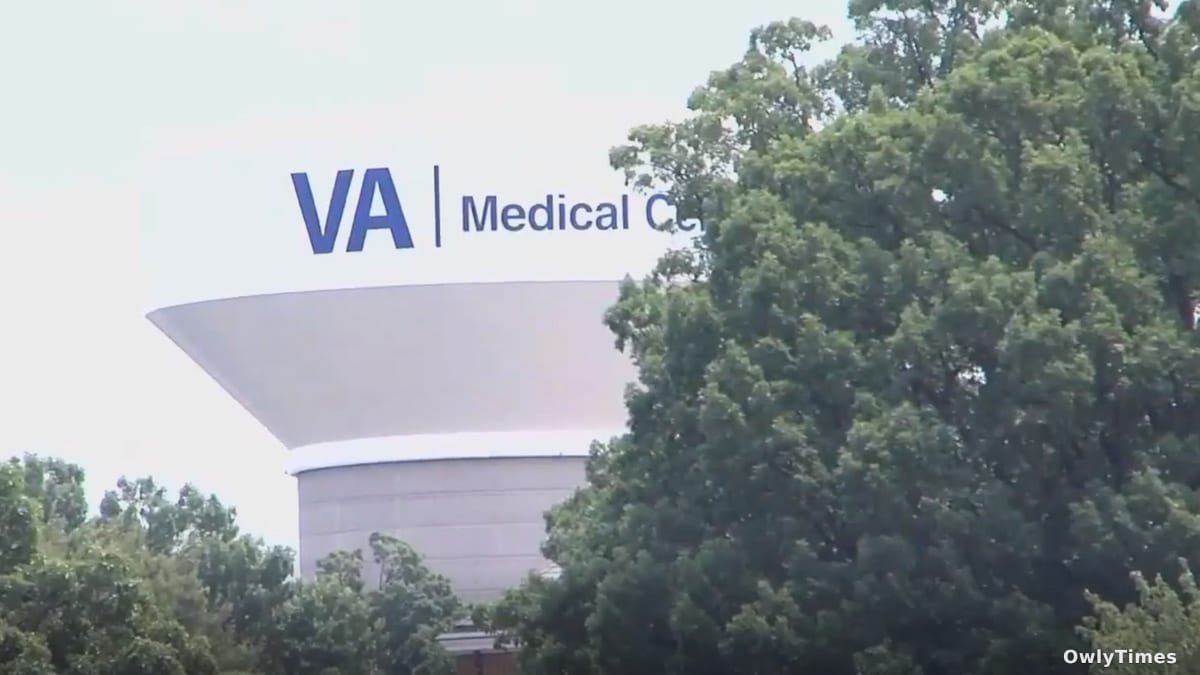

A Paradox of Progress: Modernization at Salem VA Precedes Potential Closure
The Department of Veterans Affairs is simultaneously investing heavily in modernizing the Salem VA Medical Center while also recommending its eventual closure in favor of a new facility in Roanoke. This apparent contradiction – announced on February 18, 2026, alongside a record $4.8 billion nationwide investment in VA infrastructure – raises critical questions about the future of veteran care in Southwest Virginia and the strategic priorities guiding these decisions. While headlines focus on the upgrades themselves, the underlying recommendation to relocate signals a more fundamental shift in access and potentially, the scope of services available to local veterans.
This article draws on reporting from wset.com.
The Salem VA is slated to receive funding through the Veterans Health Administration’s Non-Recurring Maintenance program in the first quarter of fiscal year 2026. Specific projects include renovating tile floors in 20 patient restrooms within the medical-surgical unit, upgrading the imaging space to accommodate a new Nuclear Medicine camera, and installing enhanced gas and groundwater monitoring wells. The Nuclear Medicine camera is particularly noteworthy; according to the VA, it will offer “cutting-edge accuracy for precise diagnosis, a reduction in required radiation dosage and shorter total scan times.” This isn’t simply cosmetic improvement – it’s a direct investment in diagnostic capabilities, potentially reducing the need for veterans to travel elsewhere for specialized imaging. However, the scale of these improvements – while valuable – represents a fraction of the cost associated with building an entirely new medical center.
This investment arrives alongside demonstrable progress in other areas of VA performance. Since January 20, 2025, the VA reports a 60% reduction in the backlog of veterans awaiting benefits, the elimination of the backlog for veteran families seeking healthcare, and the processing of a record three million disability claims by September 30th of the same year. Furthermore, the VA has opened 25 new healthcare clinics nationally and facilitated over 1.9 million appointments outside of standard business hours. Tammy Snyder, Interim Director of the Salem VA Health Care System, stated that “Improved facilities, equipment and infrastructure mean better care for Veterans, and these funds will enable the Salem VA Health Care System to achieve that goal.” These statistics paint a picture of a system actively working to address long-standing issues of access and efficiency. Yet, the recommendation to close the Salem facility casts a shadow over these achievements.
The core issue isn’t whether the Salem VA needs upgrades – the announced projects clearly demonstrate a commitment to improving existing infrastructure. The question is why invest in a facility already deemed potentially redundant. The VA has not publicly detailed the specific rationale for recommending closure, beyond suggesting a consolidation of resources in a more centrally located, modern facility in Roanoke. This raises concerns about potential travel burdens for veterans currently served by the Salem VA, particularly those in more rural areas. A drive from Salem to Roanoke is approximately 40 miles, a distance that may seem manageable but can represent a significant obstacle for veterans with limited transportation options or chronic health conditions.
Environmental Compliance and Long-Term Sustainability
Beyond patient care, the planned installation of new gas and groundwater monitoring wells highlights a commitment to environmental stewardship. The Salem VA is ensuring compliance with standards set by the Virginia Department of Environmental Quality. This is not merely a regulatory requirement; it reflects a growing awareness within the VA of its responsibility to operate sustainably and protect the surrounding environment. The long-term implications of environmental contamination on veteran health are increasingly understood, making proactive monitoring a crucial component of responsible healthcare delivery. However, the cost of ongoing environmental remediation and monitoring at the Salem site may also factor into the decision to pursue relocation.
What the Data Doesn’t Tell Us
While the VA touts impressive statistics regarding reduced backlogs and increased access, the data doesn’t reveal the quality of care received during those appointments. Increased appointment volume doesn’t necessarily translate to improved health outcomes. Similarly, the elimination of benefit and healthcare backlogs doesn’t address potential disparities in access to specialized services or the complexity of navigating the VA system. The VA’s metrics focus on process improvements – how efficiently the system operates – rather than patient-centered outcomes – how well it serves the needs of veterans. This is a critical distinction when evaluating the overall impact of these initiatives.
The Future of Veteran Care in Southwest Virginia
The next steps will involve a period of public comment and review of the VA’s recommendation to close the Salem facility. Veterans, local officials, and community stakeholders will have the opportunity to voice their concerns and advocate for their preferred outcome. Crucially, the VA must provide a detailed analysis of the potential impact of the closure on access to care, travel times, and the availability of specialized services. The question facing Southwest Virginia veterans isn’t simply whether they’ll have a VA hospital nearby, but whether the proposed relocation will genuinely improve their healthcare experience – or create new barriers to accessing the care they’ve earned. Watch for the release of the VA’s full environmental impact assessment for the Roanoke facility, and pay close attention to how the agency plans to address the transportation needs of veterans currently served by the Salem VA. The details of that plan will reveal whether this modernization is truly about better care, or simply a cost-cutting measure disguised as progress.





