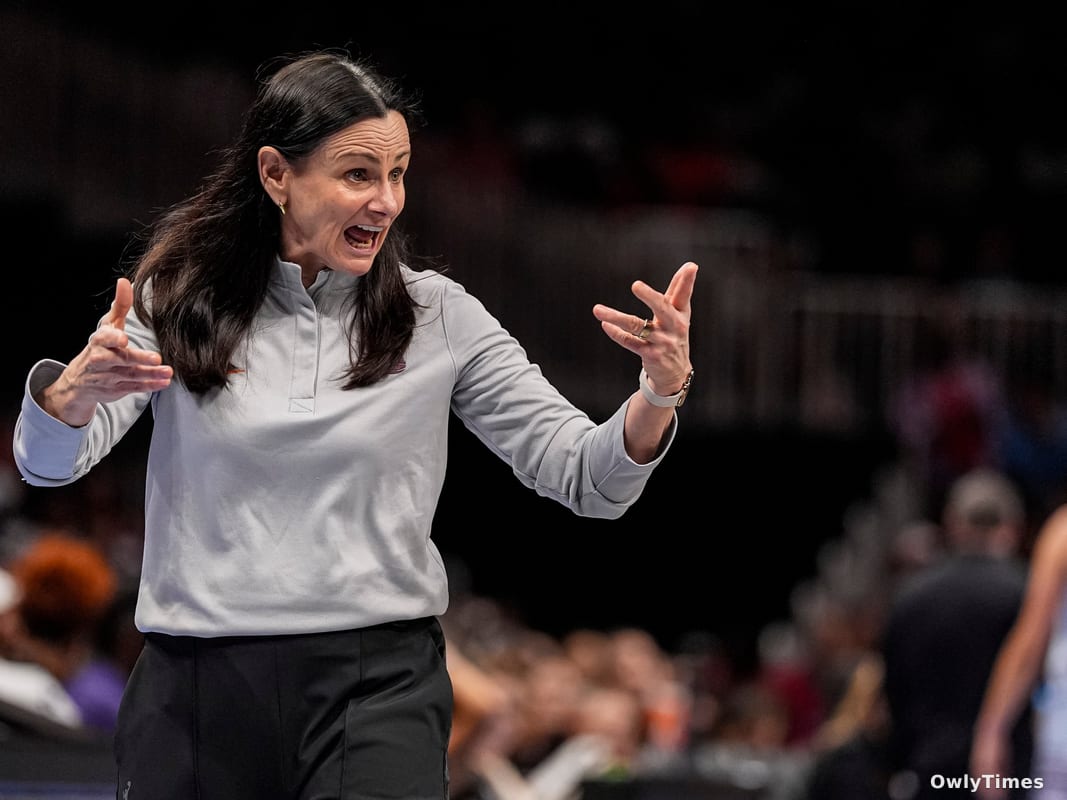

The tension was palpable on the court, but it was a single, caught-on-mic phrase that shifted the atmosphere from a standard Friday night matchup into a league-wide flashpoint. During the Atlanta Dream’s 111-92 victory over the Toronto Tempo, Toronto coach Sandy Brondello was heard venting to officials after a foul call against her player, Nyara Sabally. Addressing the officiating crew—specifically citing official Toni Patillo—Brondello labeled Dream star Angel Reese a "protected species." That moment of frustration has now resulted in a one-game suspension for the veteran coach, a penalty confirmed by the WNBA on Saturday.
A Cultural Collision in the Heat of the Moment
The phrase "protected species," while a common idiom in Australian sports to describe players receiving perceived preferential treatment from referees, landed with a jarring, racially charged resonance in the American context. Both Al Jazeera and The Guardian note that the term carries dehumanizing undertones when applied to Black women in the United States. Brondello, an Australian native, addressed this disconnect in a public apology posted to social media, acknowledging that her words "carried an impact beyond what I intended, particularly for Black women in our league."
Beyond the raw headlines, the incident highlights a league grappling with the weight of its own growth. CBS Sports provides additional context regarding the timing: the comment was made as Sabally was being attended to by medical staff following a collision with Reese. While Brondello emphasized that her frustration was directed at the officiating rather than the player, the immediate social media response from Reese—who posted "ARE WE SURPRISED?!" alongside a clown emoji—signaled that the locker room and the public are monitoring these interactions with intense scrutiny.
The Weight of the "Protected" Narrative
The controversy arrives at a time of heightened sensitivity within the WNBA. CBS Sports notes that the league has recently contended with a surge in abuse directed at players, including death threats against Alyssa Thomas and racist messages sent to Chelsea Gray. In this environment, even the shorthand of a coach’s complaint is no longer viewed as "just sports talk." The league’s statement on Saturday, insisting that all personnel "uphold the highest standards of professionalism and respect," underscores that the WNBA is actively trying to draw a line between competitive intensity and harmful rhetoric.
For Brondello, a respected figure who has coached in the league since 2014 and led teams to titles in Phoenix and New York, the suspension marks a rare disciplinary hurdle. She will serve her one-game, unpaid suspension during Monday's contest against the Las Vegas Aces. It is a significant absence for the expansion Toronto Tempo, currently navigating their inaugural season under the guidance of a coach who ranks sixth on the all-time wins list with 269 victories.
Why This Moment Matters
This incident serves as a sobering reminder that as the WNBA enters a period of unprecedented visibility, the language used by its leaders is under the microscope. The intersection of global sports vernacular and American social dynamics creates a complex space where intent does not always equate to impact. As Reese continues her dominant run—averaging a double-double and leading the league in rebounds—the focus remains on how the league protects its players not just from physical injury, but from the toxic narratives that follow them off the court. The industry is currently watching to see if this suspension will serve as a definitive baseline for how the league handles similar "inappropriate" conduct in the future.