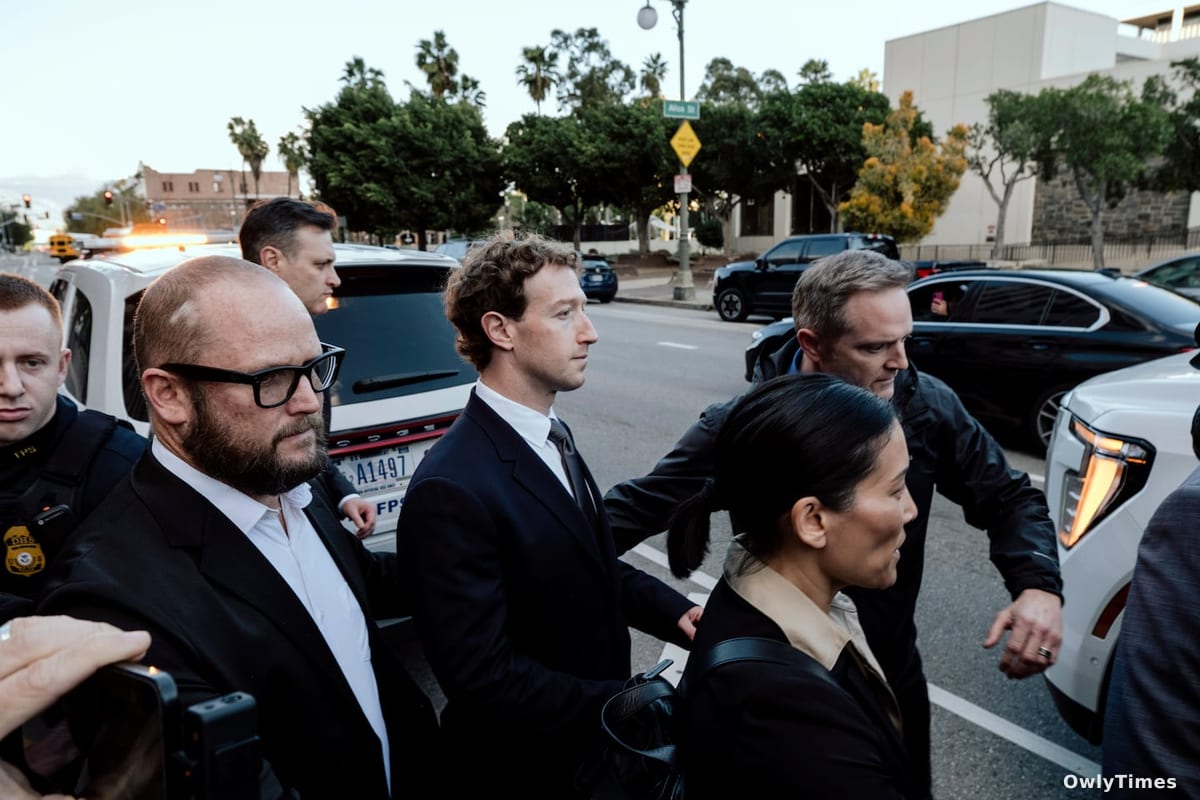

The current wave of lawsuits targeting social media companies isn’t simply about individual harms – it’s a fundamental challenge to the architecture of the internet as we know it, and a reckoning decades in the making. While headlines focus on dramatic courtroom moments, like Mark Zuckerberg’s recent testimony, the core question isn’t whether Meta and YouTube intended to harm children, but whether their platforms, designed for engagement at any cost, created a foreseeable risk that they failed to mitigate. This isn’t a novel legal argument; it echoes successful cases against the tobacco and opioid industries, and the potential consequences – from altered business models to challenges to foundational legal protections – are equally significant.
The legal battles unfolding across the United States represent a multi-pronged attack on the established order. In Los Angeles, a case centered on the experiences of a 20-year-old, identified as “KGM,” is serving as a bellwether, meaning its outcome will heavily influence thousands of similar lawsuits. Matthew Bergman of the Social Media Victims Law Center, representing over 1,000 plaintiffs, called the trial a “monumental inflection point,” noting the sheer improbability of reaching this stage just four years ago. Simultaneously, New Mexico Attorney General Raúl Torrez is pursuing a case built on undercover investigations, documenting instances of sexual solicitation facilitated by Meta’s platforms. His aim isn’t just to secure a judgment, but to force changes to age verification, algorithmic transparency, and the use of end-to-end encryption – a feature Meta defends as a privacy measure. A third front involves school districts suing social media companies, alleging they contributed to a crisis of student mental health and disrupted the learning environment.
What’s crucial to understand is the distinction between the narrative presented by the companies and the evidence being presented in court. Zuckerberg’s testimony, largely reiterating past statements about age restrictions and detection efforts, was met with pointed questioning from the plaintiff’s attorney, Mark Lanier, who directly asked if addictive properties might drive increased usage. Zuckerberg’s response – “I’m not sure what to say to that… I don’t think that applies here” – highlights a central tension: the companies acknowledge designing for engagement, but resist framing that engagement as inherently harmful, or even addictive. This is despite mounting evidence, and the legal arguments presented by attorneys like Jayne Conroy, who successfully litigated against pharmaceutical companies in the opioid crisis, drawing direct parallels between the dopamine-driven loops of social media and substance addiction. The fact that “social media addiction” isn’t currently recognized in the Diagnostic and Statistical Manual of Mental Disorders doesn’t negate the observed behavioral patterns and neurological effects.
The potential ramifications extend beyond financial settlements and legal fees. These cases challenge Section 230 of the 1996 Communications Decency Act, a cornerstone of internet law that shields platforms from liability for content posted by users. A successful challenge could fundamentally alter the relationship between platforms and their users, potentially forcing them to actively police content and bear responsibility for its consequences. It also tests the limits of the First Amendment, raising questions about whether platforms have a right to prioritize engagement over user safety. Emarketer analyst Minda Smiley notes that while Meta has introduced safety features, reports suggest the company continues to prioritize teen users and doesn’t consistently enforce its own rules. This discrepancy between stated policy and observed practice is a key element of the plaintiffs’ arguments.
Source material: bostonglobe.com.
Limitations to consider are significant. Establishing a direct causal link between social media use and specific harms, like mental health issues or sexual exploitation, is inherently complex. Correlation does not equal causation, and individual vulnerabilities and pre-existing conditions play a role. Furthermore, the legal landscape is uncertain, and appeals are likely, potentially delaying resolution for years. The slow pace of tech regulation in the U.S., hampered by lobbying and political disagreements, further complicates the situation. Unlike Europe and Australia, which have implemented stricter regulations, the U.S. remains largely reliant on litigation to address these issues.
The next crucial step is observing how juries respond to the evidence presented in these bellwether trials. Will they find the companies negligent, even if they didn’t intentionally set out to cause harm? And, perhaps more importantly, will they accept the argument that the platforms’ design inherently creates foreseeable risks? Beyond the courtroom, we should watch for increased legislative activity at the state and federal levels, and for shifts in public perception regarding the responsibility of social media companies. Specifically, parents and educators should be prepared to advocate for stronger safety measures and to critically evaluate the role of social media in children’s lives, even if those measures are not mandated by law. The question isn’t if social media will change, but how – and whether those changes will be driven by legal pressure, regulatory oversight, or a genuine commitment to user safety.