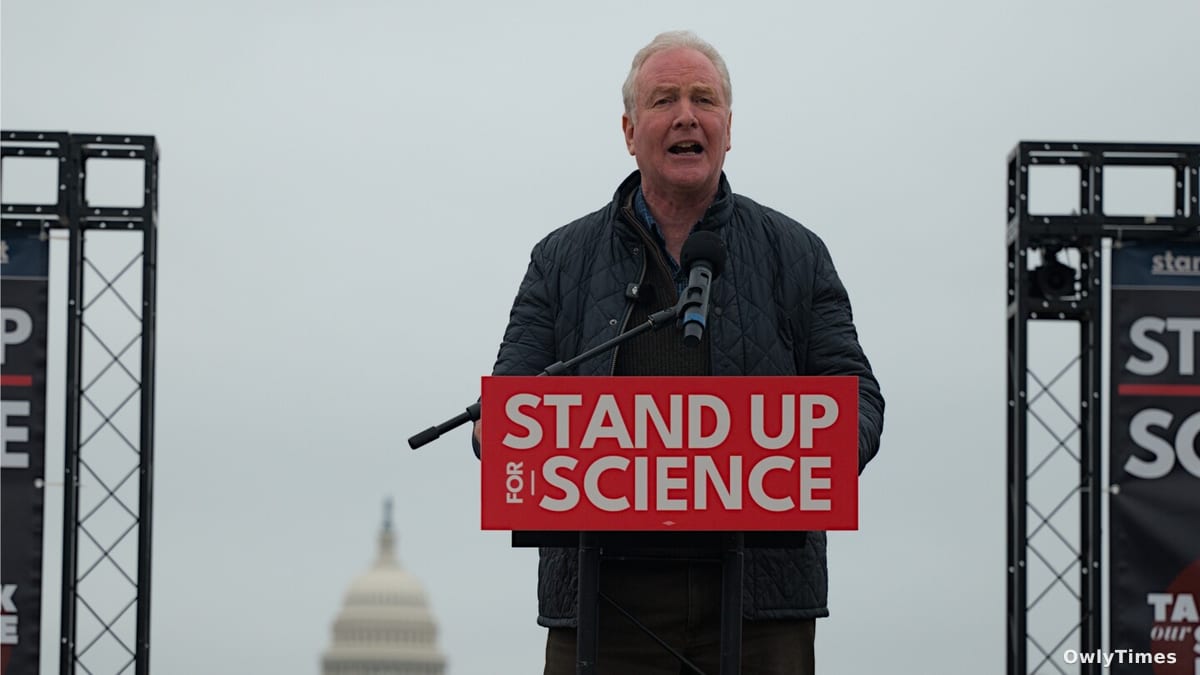

The urgency surrounding the relationship between science and governance isn’t a new phenomenon, but the tenor of the debate has demonstrably shifted. The second annual Stand Up for Science rally, held across the U.S. on March 7, 2026, wasn’t simply a protest against cuts to research funding – a familiar concern for the scientific community. It was a direct response to what many perceive as a systemic erosion of evidence-based policymaking, and a vocal demand for accountability from the current administration. While headlines focused on calls to remove Health and Human Services Secretary Robert F. Kennedy Jr., the rally’s core message, articulated by scientists, advocates, and politicians alike, was a broader warning: the deliberate undermining of scientific integrity poses a fundamental threat to democratic institutions and public well-being.
The rallies, drawing crowds in dozens of cities, were sparked by concerns over the Trump administration’s actions, which participants characterized as disruptive to federally-funded research and dismissive of established scientific consensus. Colette Delawalla, founder and CEO of Stand Up for Science, powerfully framed the issue at the Washington, D.C. rally: “Science should be driven by scientists, not political appointees.” This sentiment wasn’t merely a plea for increased funding, but a defense of the very process of scientific inquiry. Delawalla expanded on this, arguing that restricting speech, limiting research areas, and “purging science” with ideology represent a dangerous departure from democratic principles. It’s crucial to understand that this isn’t about scientists seeking preferential treatment; it’s about safeguarding the independence necessary for objective analysis and the free exchange of ideas.
Original reporting: aip.org.
The rhetoric employed at the rally, particularly by Senator Chris Van Hollen (D-MD), was stark. He warned of the U.S. becoming “an evidence-free zone,” a phrase that resonates with growing anxieties about the proliferation of misinformation and the dismissal of expert opinion. In a subsequent interview, Van Hollen went further, stating that the administration’s “conspiracy theories and their lies are literally putting people’s lives at risk.” This isn’t hyperbole. The consequences of rejecting scientific evidence on issues like public health – vaccine hesitancy being a prime example – are demonstrably real and can have devastating impacts on communities. However, it’s important to note that attributing direct causality between specific policies and public health outcomes is complex, and requires rigorous epidemiological investigation. The Senator’s statement, while emotionally resonant, highlights the perceived stakes rather than presenting a definitive causal link.
A particularly poignant element of the rally was the presence of former federal science leaders who have experienced firsthand the pressures of political interference. Stephen Volz, formerly head of NOAA’s satellite division, spoke of a “great silencing” of scientists within the government, describing a climate of isolation and fear. His concerns about the departure of tens of thousands of scientists and engineers from federal service, coupled with the cancellation of crucial NOAA instruments, underscore a long-term erosion of scientific capacity. Volz’s testimony isn’t an isolated incident. Reports of scientists being sidelined, having their research suppressed, or facing professional repercussions for speaking out have become increasingly common, raising serious questions about the integrity of federal science agencies. The cancellation of instruments, specifically those aimed at improving air and water quality measurements, is a concrete example of how political decisions can directly impact the nation’s ability to monitor and address environmental challenges.
The rally also served as a platform for those who have directly challenged the administration’s policies. Jenna Norton, a scientist who filed a whistleblower complaint after being placed on administrative leave by the NIH, delivered a powerful warning about the potential for the administration’s anti-science agenda to expand. Drawing a parallel to the historical context of Nazi Germany, invoking the text by Martin Niemöller, Norton urged scientists to support each other, even in the face of potential repercussions. Her message, while emotionally charged, highlights a critical point: the defense of scientific integrity requires collective action and a willingness to speak truth to power. Gretchen Goldman, president and CEO of the Union of Concerned Scientists, echoed this sentiment, emphasizing the organization’s legal challenges to the administration’s policies and its commitment to holding political actors accountable.
Looking ahead, Stand Up for Science is focusing on concrete political action, including calls for the impeachment of Secretary Kennedy Jr. and efforts to elect pro-science candidates in the upcoming midterm elections. This shift towards direct political engagement represents a significant evolution for the organization, and reflects a growing recognition that defending science requires more than just protests and advocacy. The question now is whether this mobilization can translate into meaningful policy changes and a restoration of trust in scientific expertise. Will the increased political pressure compel the administration to reconsider its approach to science, or will the trend towards politicization continue, further eroding the foundations of evidence-based governance? The outcome will likely depend on the ability of scientists and advocates to sustain their momentum and effectively communicate the importance of scientific integrity to the broader public.





