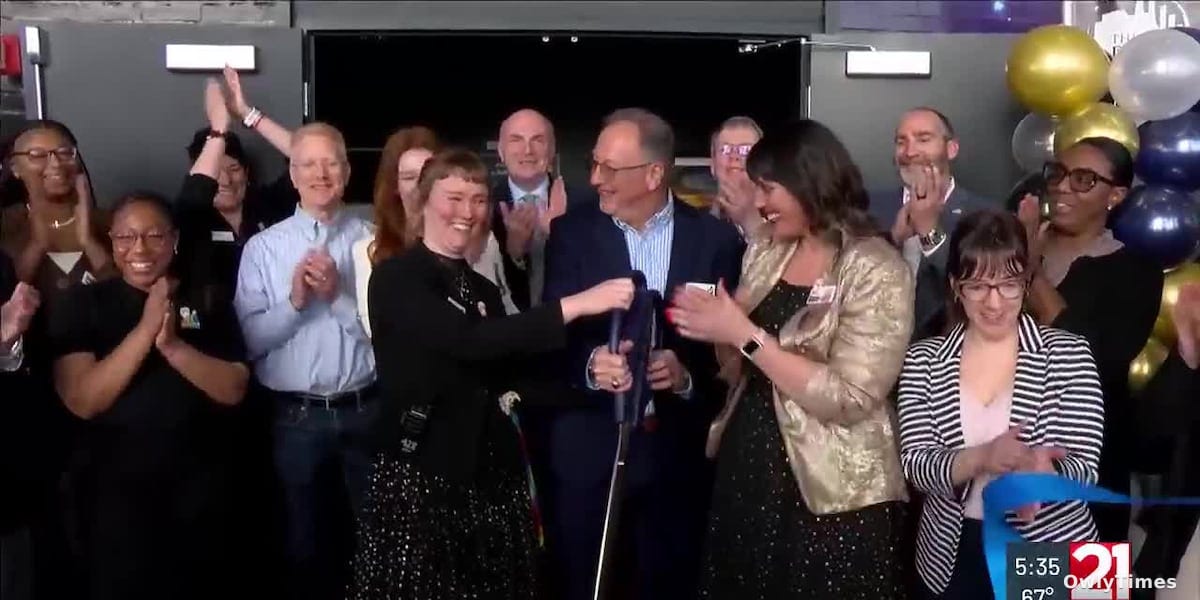

The opening of Northeast Indiana’s first public planetarium at Science Central isn’t simply a new exhibit; it’s a localized response to a national trend: a growing appetite for accessible STEM experiences, particularly those that ignite wonder in young children. While headlines focus on the “grand opening” and delighted visitors like six-year-old Lyla Ralston, the deeper story is about bridging a participation gap in science literacy, and the role informal education centers play when formal education faces constraints. The planetarium’s arrival speaks to a demand that isn’t always reflected in school curricula, offering a crucial space for cultivating future scientists – and, as Ralston herself declared, astronauts.
Beyond Entertainment: The Rise of Informal STEM Learning
For decades, science education has wrestled with declining engagement, particularly among students who don’t see immediate relevance to their lives. Standardized testing and curriculum pressures often prioritize rote memorization over experiential learning. This is where institutions like Science Central, and now its planetarium, become vital. The planetarium isn’t designed to teach astrophysics, per se, but to inspire curiosity about it. Carolyn Johnson, Ralston’s grandmother, didn’t articulate a specific learning outcome from the visit, but the child’s expressed ambition to become an astronaut demonstrates the power of immersive experiences to shape aspirations. This isn’t a quantifiable metric easily captured by educational assessments, but it’s arguably more impactful in the long run. The fact that the planetarium allows visitors to view Fort Wayne from a simulated aerial perspective – “You could see the building that we were in,” Ralston noted – cleverly grounds the vastness of space in a familiar context, making it less abstract and more relatable.
Drawn from 21alivenews.com.
A Surprise Success: Reaching Unaware Audiences
The unexpectedly enthusiastic reception, as reported by Jonny Hillenbrand, highlights a challenge for Science Central: awareness. Hillenbrand’s family stumbled upon the grand opening, discovering the new exhibit almost by accident. His mother, Sandy Hillenbrand, articulated the core appeal: “Space is interesting, you know, it’s exploring what is unknown, and seeing what’s out there.” But if families who actively seek out learning opportunities weren’t aware, it raises questions about reaching those who might not typically prioritize science-focused activities. This isn’t a criticism of Science Central’s marketing, but a reminder that even compelling exhibits require sustained outreach to overcome existing barriers to participation. The “happy surprise” factor suggests untapped potential within the community, but realizing that potential requires a proactive strategy to connect with families who may not already be engaged.
What the Planetarium Actually Shows – and Doesn’t
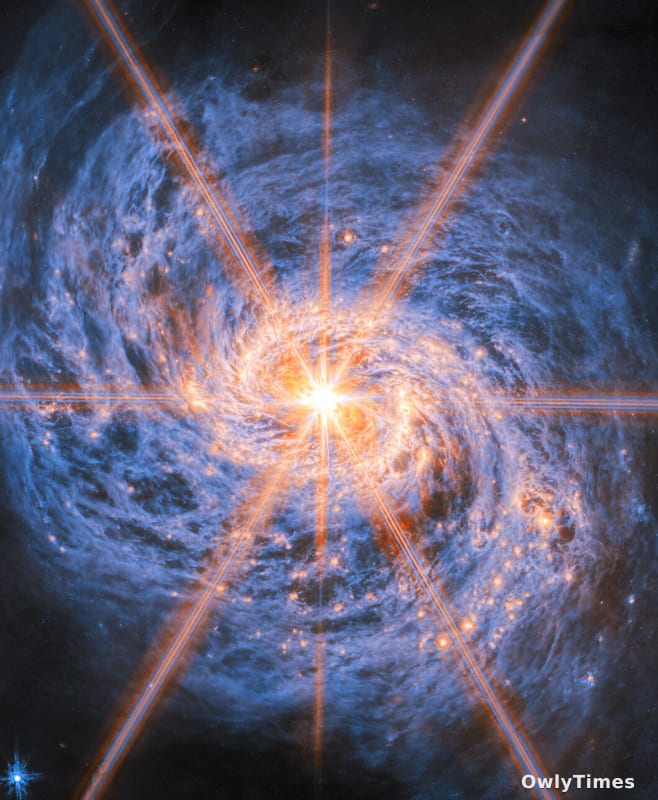
It’s important to clarify what a public planetarium can and cannot offer. This isn’t a research-grade observatory. The technology allows for realistic simulations of the night sky, projecting constellations, planets, and even the Milky Way onto a dome. However, it doesn’t provide access to real-time astronomical data or the opportunity for hands-on telescope observation. The value lies in visualization and storytelling. The planetarium can demonstrate the scale of the solar system, explain the phases of the moon, or trace the path of comets – concepts that are difficult to grasp from textbooks alone. The opening of this planetarium doesn’t suddenly equip Fort Wayne with a cadre of astrophysicists, but it does provide a foundational experience that can spark a lifelong interest in the field.
Limitations to Consider and Future Trajectories
The success of the planetarium hinges on continued funding and accessibility. A single planetarium serving an entire region creates a potential bottleneck. Wait times for entry, particularly during peak seasons like spring break, could diminish the experience. Furthermore, the content presented needs to be regularly updated to reflect new discoveries and maintain visitor engagement. The current focus appears to be on broad appeal, but future programming could benefit from targeted exhibits addressing specific age groups or scientific concepts. The next crucial step isn’t simply to celebrate the opening, but to rigorously evaluate its impact. Science Central should track visitor demographics, conduct surveys to assess knowledge gains and shifts in attitudes towards science, and partner with local schools to integrate planetarium visits into the curriculum. Will this new exhibit demonstrably increase participation in STEM fields among Northeast Indiana students in five or ten years? That’s the question worth watching.