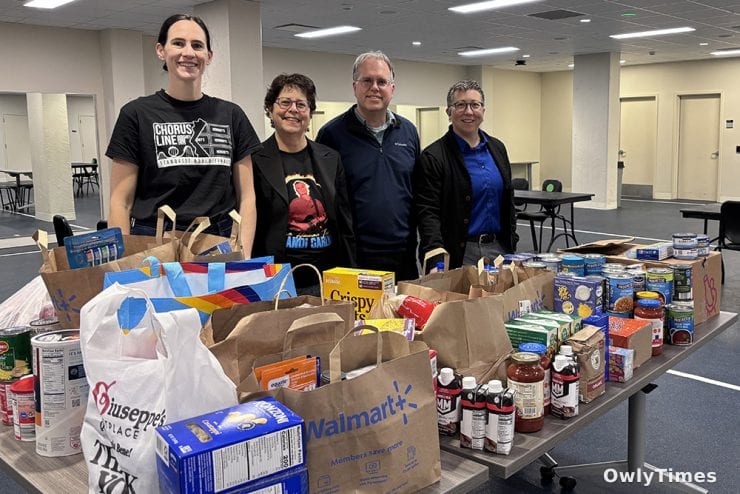

A 32% Surge in Giving: Stony Brook’s Food Drive Reveals Broader Economic Pressures
921.94 pounds. That’s the weight of compassion – and a stark indicator of rising need – demonstrated by Stony Brook University’s Division of Finance & Administration (F&A) during its annual Valentine’s Day Food Drive. While the drive’s success is commendable, the 32% year-over-year increase in donations, from 836.58 pounds in 2025, isn’t simply a testament to growing generosity; it’s a direct reflection of escalating financial strain on the university community. “Follow the money” here doesn’t lead to overflowing coffers, but to increasingly empty pantries.
Reporting from news.stonybrook.edu informs this analysis.
Beyond Sentiment: The Rising Demand at the Seawolves Pantry
The F&A drive, running February 9-13, yielded not only a record weight of food but also a significant jump in item count, reaching 1,767 donations compared to 1,464 in 2025. This represents a 21% increase in volume, suggesting donors aren’t just giving more of the same items, but are actively responding to a perceived widening gap in essential needs. Senior Vice President for Finance & Administration Jed Shivers rightly points to the “character and compassion” of the staff, but the context is crucial: the Seawolves Pantry isn’t a charity for abstract hardship, it’s a lifeline for students, faculty, and staff grappling with the very real impact of inflation on grocery bills. The pantry, strategically located in the Stony Brook Union, has become a critical buffer against economic instability within the university system itself.
Three Years of Growth: A Trend Line of Increasing Need
This isn’t an isolated event. For the third consecutive year, the F&A division has broken its own donation record. Comparing the 2026 total of 921.94 pounds to the 700 pounds collected in 2024 reveals a 32% increase over two years – a compound annual growth rate that far outpaces typical charitable giving trends. While many university food pantries saw increased usage during the peak of the pandemic, the sustained growth at Stony Brook suggests the issue isn’t temporary. The pantry’s coordinator, Katie McCombs, highlights the “variety and volume” of donations, specifically mentioning “essential proteins and personal care items,” indicating donors are aware of the specific needs beyond basic carbohydrates. This targeted giving suggests a heightened understanding of the complex challenges faced by those relying on the pantry.
Internal Support, External Pressures: The F&A Division’s Role
The success of the drive wasn’t a centralized effort; strategically placed collection bins across multiple F&A offices – including the Administration Building, Research and Support Services (RSS), and Suffolk Hall – demonstrate a broad commitment from within the division. This internal mobilization is significant. The F&A division, responsible for the university’s financial health, is simultaneously acknowledging and actively mitigating the financial hardship experienced by members of the Stony Brook community. This creates a tension: the division manages budgets impacted by rising costs, while simultaneously supporting a resource designed to alleviate those same costs for individuals.
What This Means for Your Wallet: Watching the Pantry’s Inventory
The F&A’s record-breaking donation drive is a positive story, but it’s also a warning sign. The continued growth in need, as evidenced by the escalating donation totals, suggests that inflationary pressures aren’t easing for many within the Stony Brook community. Investors and consumers should watch the Seawolves Pantry’s inventory levels closely throughout the spring semester. A sustained decline in donations, coupled with continued high demand, would signal a deepening crisis and potentially necessitate increased university funding for the pantry – a cost that could ultimately impact tuition or other university programs. The question isn’t if economic pressures will affect higher education, but how universities will respond when their own communities are struggling to afford basic necessities.