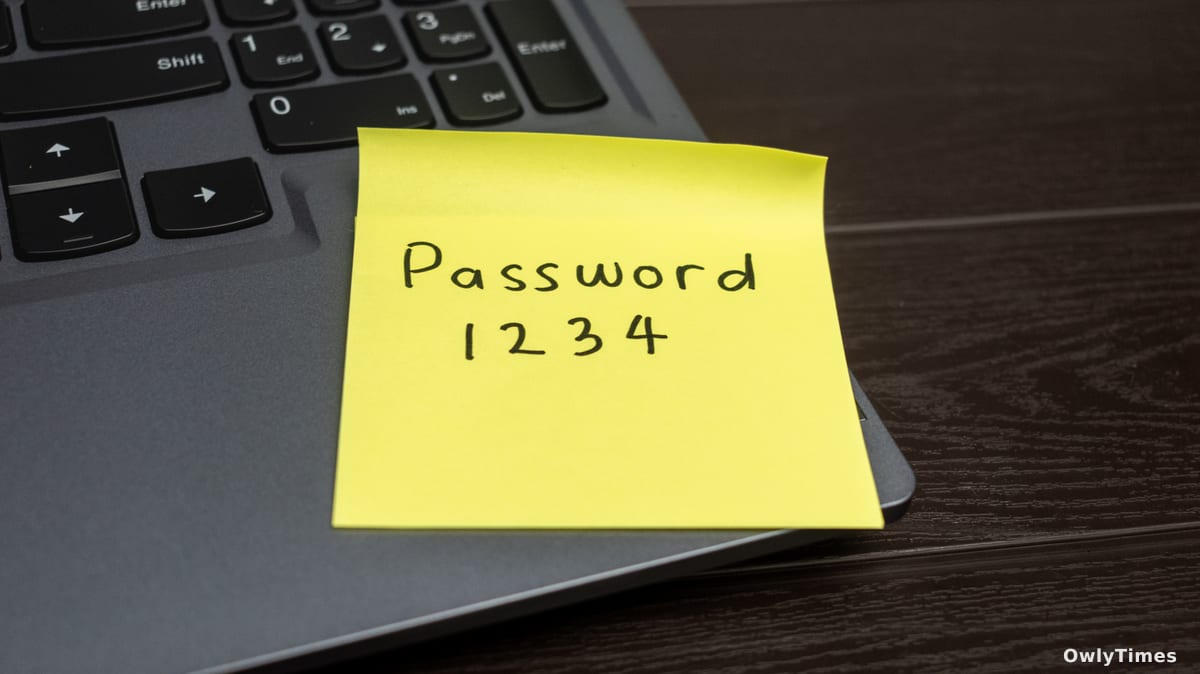

Are we really expected to remember dozens of unique, complex passwords in 2024? The sheer cognitive load is absurd, and frankly, the industry has been happily profiting from a problem it created. The real story here isn't about finding the “best” password manager – it’s that you likely already have a perfectly good one built into the devices you’re using, and the frantic marketing around third-party apps is largely noise. For years, we’ve been told to fear password reuse and embrace the complexity of digital security, but the solution wasn’t a new subscription service; it was leveraging the tools already in our pockets.
The Password Manager You Already Own
The panic around password security is justified. Data breaches are commonplace, and reusing passwords is akin to leaving your front door unlocked. But the response, for many, has been to pay for yet another service promising to solve a problem their phone or computer could already handle. Apple’s iCloud Keychain, for example, isn’t some add-on feature; it’s deeply integrated into the Apple ecosystem, spanning Mac, iPhone, iPad, and even the Apple Vision Pro. It auto-populates usernames, passwords, and even credit card details, meaning you rarely have to manually type credentials. This isn’t just convenience; it’s a significant security upgrade, encouraging the use of strong, unique passwords without the associated mental gymnastics. On iOS, this functionality is further streamlined through the dedicated “Passwords” app.
This piece references the bgr.com report.
But what about those of us who aren’t fully immersed in the Apple world? Microsoft offers Credential Manager for Windows users, functioning similarly, albeit with a slightly less polished interface. And for those seeking platform-agnostic solutions, Google’s Password Manager, tied to your Google account, provides access across Chrome, Android devices, and any phone running Google services. The key takeaway is that these aren’t afterthoughts; they’re core features designed to address the very real problem of password management. The slight inconvenience of limited cross-platform functionality – iCloud Keychain doesn’t magically work on Android, for instance – is a small price to pay for free, readily available security.
Beyond Passwords: The Rise of Frictionless Authentication
The reliance on passwords, even with a manager, is becoming increasingly archaic. Apple and Google have been quietly pushing biometric authentication – Face ID and Touch ID on iPhone, fingerprint scanning on Android – as a more secure and convenient alternative. These systems leverage the unique biological characteristics of the user, making them far more resistant to phishing and brute-force attacks than even the most complex password. Many apps now support biometric login directly, bypassing the password prompt altogether.
Then there’s the emerging technology of passkeys. Imagine logging into a website not with a password, but with a unique “fingerprint” tied to your device. That’s essentially how passkeys work. They generate a cryptographic key stored locally on your device, eliminating the need to transmit or store a password on the server. When a website supports passkeys, authentication becomes seamless and significantly more secure. IBM Verify is even exploring AI-powered identity and access management, though this remains largely an enterprise-level solution for now.
The Catch: Ecosystem Lock-In and User Awareness
The convenience of built-in password managers comes with a caveat: ecosystem lock-in. Switching operating systems means migrating your passwords, a process that, while manageable, isn’t entirely frictionless. This is a deliberate strategy by tech giants to reinforce user loyalty. Furthermore, many users remain unaware of these features, continuing to rely on weak, reused passwords or paying for unnecessary services. Apple and Google could do more to proactively educate users about the security tools at their disposal. A simple onboarding process highlighting the benefits of iCloud Keychain or Google Password Manager could dramatically improve overall digital security.
The current landscape feels less like a genuine effort to solve the password problem and more like a land grab for user data and subscription revenue. While third-party password managers offer advanced features like secure note storage and cross-platform syncing, the vast majority of users don’t need those features. They need a simple, secure way to manage their passwords, and that solution is already in their hands.
Here’s what I predict: within the next two years, we’ll see a significant shift towards passwordless authentication, driven by the widespread adoption of passkeys and biometric technologies. The question isn’t if passwords will become obsolete, but when will the average user finally ditch them – and whether the tech companies will make that transition as seamless as possible, or continue to profit from the chaos. Watch for the first major social media platform to fully embrace passkeys; that will be the tipping point.