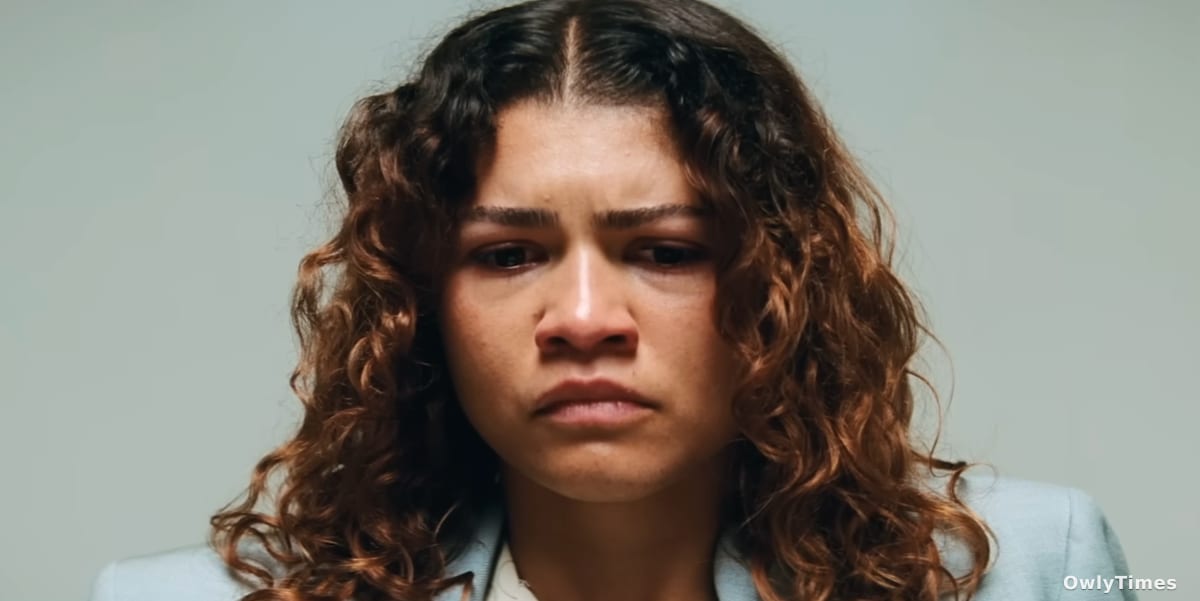

The chipped ceramic of my “But First, Coffee” mug felt cold against my lips as the final credits of Tell Me Lies rolled on February 17th, 2026. It wasn’t the ending itself – a quiet, almost hopeful scene for Lucy Albright – that struck me, but the sheer relief that washed over me. Relief that a show built on expertly crafted anxiety, on the delicious torment of “what if,” had finally, decisively, ended. It’s a strange admission from someone who spent the last four years dissecting every fraught interaction between Lucy and Stephen DeMarco, but the cancellation, announced by creator Meaghan Oppenheimer before the season even aired, feels less like a loss and more like a necessary act of self-preservation for its devoted audience.
This isn’t simply about missing the weekly drama at Baird College. The outpouring of grief online, the frantic theorizing that dominated social media, all speak to a deeper cultural moment: our complicated relationship with manufactured emotional intensity. Tell Me Lies didn’t just entertain; it consumed. The show, initially adapted from Carola Lovering’s 2018 novel, quickly transcended its source material, stretching beyond the book’s narrative in seasons two and three. While many fans initially clamored for a five-season run, the decision to conclude after three feels, in retrospect, remarkably astute. In an era of endless reboots and stretched-thin franchises, Tell Me Lies dared to know when to stop.
The show’s success, peaking with an average of 3.2 million viewers per episode in its second season (a 15% increase from its debut), tapped into a very specific vein of millennial and Gen Z anxieties. The messy, often destructive relationships depicted weren’t glamorous; they were raw, insecure, and fueled by a constant need for validation. This resonated deeply with a generation navigating the complexities of modern dating, social media pressures, and the lingering trauma of economic instability. Tell Me Lies didn’t offer escapism; it held a mirror up to the anxieties already simmering beneath the surface. It’s a far cry from the aspirational dramas of the early 2000s, and that’s precisely why it connected.
Oppenheimer’s explanation that the show “had reached its natural conclusion” isn’t just creator-speak. It’s a recognition that the core tension of Tell Me Lies – the push and pull of a toxic, yet undeniably magnetic, relationship – couldn’t sustain itself indefinitely without becoming repetitive or, worse, glorifying harmful behavior. We’ve seen countless examples of shows that overstay their welcome, sacrificing quality for quantity. The Walking Dead, for instance, saw viewership decline by nearly 70% in its later seasons as the narrative became increasingly convoluted. Tell Me Lies avoided that fate, delivering a satisfying, if bittersweet, resolution. The show gave us answers, closure, and a glimpse into the future of its characters, a luxury rarely afforded to viewers in the age of streaming.
This article draws on reporting from purewow.com.
But beyond the narrative arc, the ending of Tell Me Lies signals a potential shift in how we value storytelling. Are we, as an audience, finally beginning to prioritize quality over quantity? Are we willing to accept that some stories are best left unfinished, that a definitive ending can be more powerful than an endless continuation? The industry is watching closely. Hulu, which streamed the series, has seen a 20% increase in subscribers during the show’s run, demonstrating the power of compelling, emotionally resonant content. But will other platforms follow suit, prioritizing concise, impactful narratives over the relentless pursuit of extended universes? The question isn’t whether there’s an appetite for drama, but whether audiences will reward shows that know when to say goodbye.