
How do we measure the systemic impact of a rapidly warming planet when record-breaking heat becomes a recurring feature of our summers rather than an outlier? Scientists are currently grappling with this question following a June that saw Western Europe record its highest temperatures ever, a phenomenon that has prompted urgent calls for a shift from climate mitigation to direct adaptation.
Understanding the June 2026 Climate Data
The most significant finding from the European Union’s Copernicus Climate Change Service (C3S) is that while June 2026 was the second-warmest June on record globally, it was definitively the hottest ever recorded for Western Europe. According to data published by the Guardian, surface air temperatures in the region reached 3.06°C above the average of recent decades. CBS News clarifies that when viewed through a different metric, these temperatures were nearly 5.5°F (approx. 3.05°C) above the 1991–2020 average.
It is important to distinguish between what the headlines claim and what the data shows: while some reports link the heat exclusively to El Niño, the Euronews report notes that EU climate data identifies long-term human-driven climate change as the primary driver, with El Niño serving as a contributing factor. Globally, June 2026 was 1.39°C hotter than pre-industrial levels, with ocean temperatures reaching their highest levels ever observed. Samantha Burgess, a climate scientist at the European Centre for Medium-Range Weather Forecasts, emphasized that these combined land and sea records reflect a climate system that is "continuing to accumulate heat."
Human and Environmental Toll
The human cost of this heat has been substantial and, in some cases, disputed in its reporting. The World Health Organization and the European Commission have cited 1,300 deaths linked to recent heatwaves, though the CBS News account provides a more granular breakdown, noting that French officials recorded approximately 1,000 excess deaths in their country alone, largely among the elderly. Furthermore, CBS News reports that French Prime Minister Sébastien Lecornu indicated dozens of additional deaths occurred due to drowning as people sought relief in water.
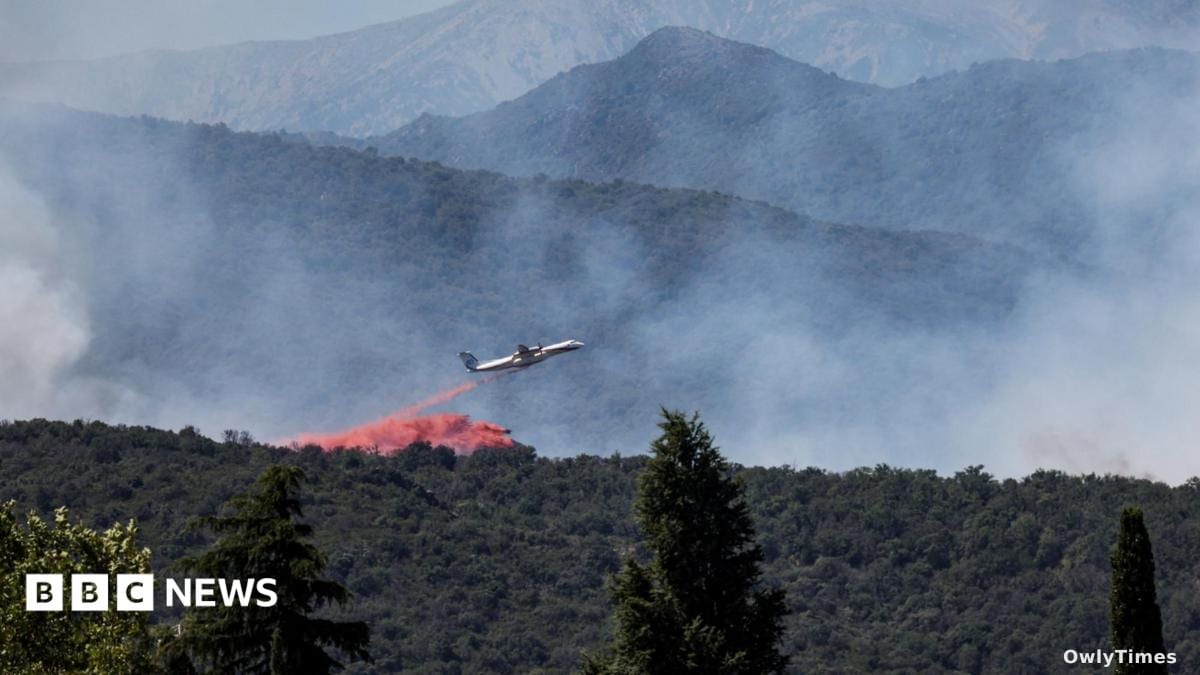
Environmental damage has been equally severe. The Guardian reports that EU wildfires have burned 56% more land than average, with specific data from the European Forest Fire Information System showing 35,400 hectares burned in France and 55,128 hectares in Spain. CBS News offers a slightly different perspective on the scale, noting that in southern France alone, wildfires had consumed over 11,000 acres and forced 10,000 evacuations by Monday.
Limitations to Consider
While the data provides a sobering look at regional trends, there are limitations. Much of the analysis relies on the 1991–2020 reference period, which itself is a time of rising global temperatures, potentially masking the full extent of the shift from pre-industrial baselines. Additionally, while the Guardian notes that urban tree cover—a key factor in mitigating heat—is significantly lower in the UK compared to the European average, this comparison is based on 2018 data. Relying on older datasets to assess current urban infrastructure resilience may not fully account for recent greening initiatives.
Next Steps in Climate Research
The focus for the scientific community is now shifting toward long-term adaptation. According to Euronews, Dr. William Lamb of the Potsdam Institute for Climate Impact Research has warned that global temperatures are projected to surpass 1.5°C within the next four years. Future research will prioritize evaluating the effectiveness of adaptation strategies, such as the cooling centers and urban shading recommended by the WHO, to determine if these measures can sufficiently protect vulnerable populations as the planet continues to accumulate heat.