
Beyond the Classroom: Recognizing the Bridge Between Research and Ranching
The American Society of Animal Science (ASAS) Southern Section meeting in Rogers, Arkansas, recently honored two individuals from the Texas A&M Department of Animal Science, but the significance of these awards extends far beyond individual accolades. While awards ceremonies often feel like internal acknowledgements, the recognition of Jason Smith and Dallas Soffa speaks to a crucial, and often undervalued, dynamic within agricultural science: the vital connection between rigorous research and the practical needs of working ranchers. It’s a relationship increasingly important as the beef cattle industry faces pressures from climate change, evolving consumer demands, and economic volatility.
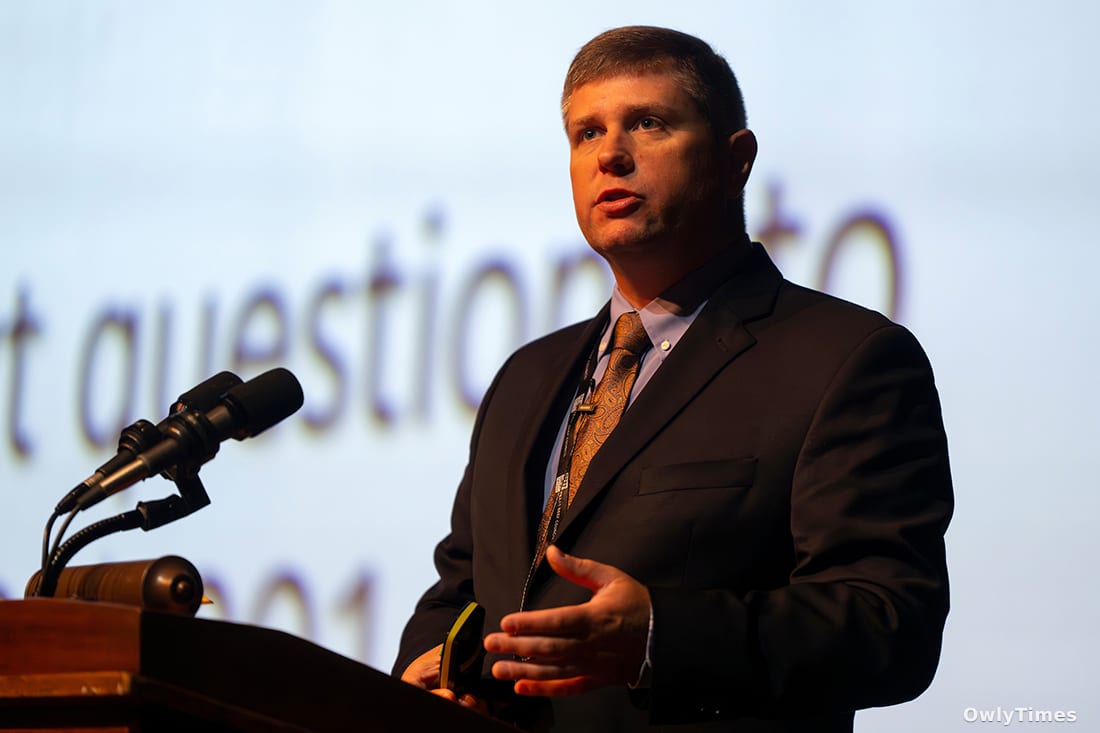
The ASAS presented its Extension Award to Jason Smith, Ph.D., a beef cattle specialist with Texas A&M AgriLife Extension Service. This award isn’t simply for academic publishing; it specifically acknowledges outstanding achievements in outreach – translating complex scientific findings into actionable knowledge for producers. This is a critical distinction. While many university programs prioritize research grants and publications, the Extension Award highlights the value of direct engagement with the industry. Smith’s work at the High Plains Research and Extension Center in Canyon, Texas, is informed not only by his formal training in nutrition and production management, but also by his continued involvement in his family’s cow-calf operation. This blend of academic expertise and real-world experience allows him to develop programs like the Texas Beef Quality Assurance program and the Texas Beef Cattle Efficiency Initiative, directly addressing challenges faced by producers. The timing of this award is particularly noteworthy, as Texas ranchers grapple with drought conditions and fluctuating market prices – situations where practical, science-backed solutions are paramount.
Original reporting: agrilifetoday.tamu.edu.
Alongside Smith’s recognition, Dallas Soffa, a doctoral candidate in physiology of reproduction, received the ASAS Emerging Scholar Award. This award celebrates not only exceptional dissertation research, but also the mentorship that fosters that research. Soffa’s work, under the guidance of Rebecca Poole, Ph.D., focuses on the intricate relationship between reproductive microbiota, immune signaling, and fertility in cattle. While the topic may seem highly specialized, its potential impact is substantial. Declining fertility rates in beef cattle herds represent a significant economic burden for producers, and Soffa’s research aims to identify the biological factors contributing to these losses. Her work isn’t simply about identifying problems, however; it’s about understanding the underlying mechanisms, potentially leading to targeted interventions to improve reproductive success. The fact that Soffa has already authored a peer-reviewed manuscript and secured a USDA National Institute of Food and Agriculture Predoctoral Fellowship underscores the quality and promise of her research.
It’s easy to read headlines about these awards and assume they represent isolated successes. However, Clay Mathis, Ph.D., head of the Department of Animal Science, explicitly framed these honors as reflective of the department’s “commitment to excellence in research, teaching and extension.” This suggests a deliberate institutional effort to integrate these three pillars, rather than treating them as separate entities. This is a crucial point. Too often, research is conducted in a vacuum, with limited consideration for its practical applications. Similarly, extension programs can sometimes rely on outdated information or anecdotal evidence. The success of Smith and Soffa demonstrates the power of a truly integrated approach.
Limitations to Consider
While these awards are encouraging, it’s important to acknowledge the limitations of relying solely on individual achievements. The ASAS awards, while prestigious, represent a single organization’s assessment. Broader systemic challenges within agricultural research and extension – including funding disparities and a lack of diversity – remain. Furthermore, translating research findings into widespread adoption by producers requires ongoing effort and effective communication. A groundbreaking discovery in a laboratory is only valuable if it reaches the ranchers who can benefit from it.
Looking ahead, the next critical step is to build upon the foundation laid by researchers like Soffa and extension specialists like Smith. Soffa is preparing to defend her dissertation this spring, and the findings from her research will need to be validated through larger-scale field trials. Specifically, researchers will need to determine how the factors influencing reproductive microbiota can be manipulated to improve fertility rates in diverse cattle breeds and under varying environmental conditions. For Smith, continued investment in programs like the Texas Beef Cattle Efficiency Initiative will be essential to help producers implement sustainable practices and improve their bottom lines. The question now is whether the momentum generated by these awards will translate into sustained support for integrated research and extension programs across Texas and beyond. Will policymakers and industry stakeholders prioritize funding for initiatives that bridge the gap between the laboratory and the ranch? The future of the beef cattle industry may depend on the answer.





