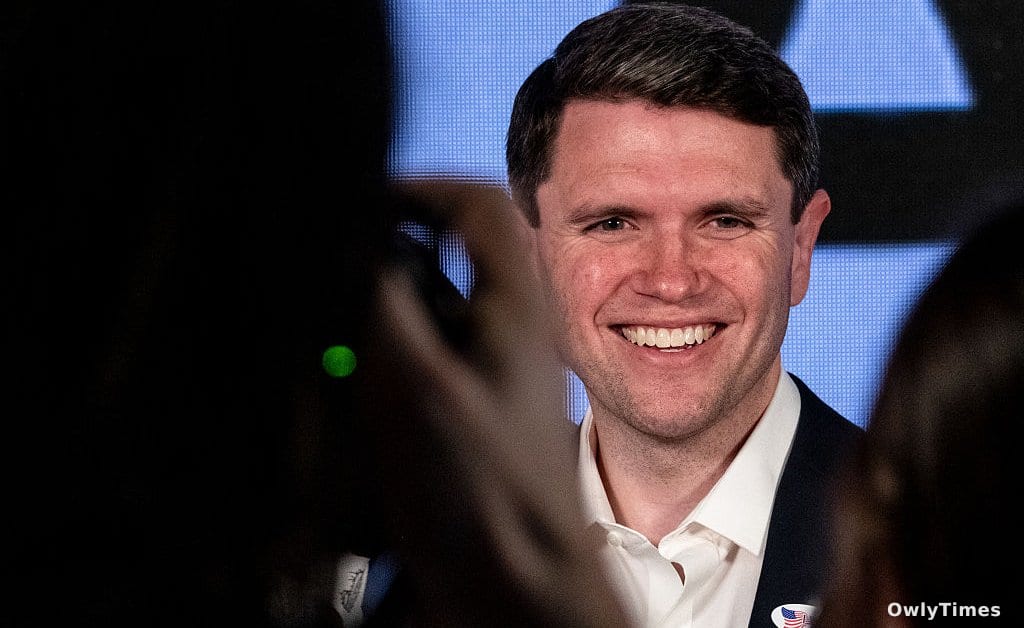

The calculus isn’t about demographics or fundraising totals – it’s about exploiting a vulnerability in the Texas political psyche: a quiet exhaustion with performative conservatism and a latent desire for a politics rooted in something other than culture war grievances. James Talarico, a 36-year-old state representative and U.S. Senate candidate, isn’t simply running as a Democrat in a deeply red state; he’s betting that a carefully constructed blend of progressive policy and genuine religious conviction can unlock a path to victory where others have failed. The recent surge in attention – fueled by allegations that CBS blocked an interview with him orchestrated by Stephen Colbert – isn’t a fluke, but a symptom of a deeper realignment possibility. It’s a strategic gamble predicated on the idea that a significant segment of Texas voters, particularly independents, are open to a message that transcends the usual partisan divides.
Talarico’s campaign operates on a simple, yet audacious, premise: that the moral authority often claimed by the right can be reclaimed – and even surpassed – by a progressive candidate willing to speak the language of faith. He’s doing this in West Texas, in Lubbock County, which Donald Trump won by 40 points, delivering sermons that weave together the Gospels with critiques of “political tyranny and Christian nationalism.” This isn’t about converting evangelicals to the Democratic party; it’s about reaching the “on-the-fence independents” who are increasingly disillusioned with the extremism of both parties. The $2.5 million in donations and 4,000 new volunteers generated in 24 hours following the Colbert controversy demonstrate the potency of this approach, but more importantly, it signals a willingness among donors to invest in a different kind of Texas Democrat.
Reporting from time.com informs this analysis.
The immediate beneficiary of this strategy is Talarico himself, positioning him as a viable alternative to the more conventional, and arguably more polarizing, Jasmine Crockett, his opponent in the Democratic primary. Crockett, a 44-year-old civil rights lawyer, is favored in most public polls, but her “sharp-elbowed partisanship” – as described in reporting – may limit her appeal in a general election. The loser is the established Democratic playbook in Texas, which has consistently relied on mobilizing minority voters and hoping for a demographic shift that hasn’t fully materialized. The risk for the party is that a Crockett nomination, while potentially energizing the base, could ultimately replicate the decades-long losing streak that has defined Texas Democrats in statewide races. The historical parallel is stark: numerous “shiny recruits” like M.J. Hegar, Beto O’Rourke, and Colin Allred have generated initial excitement only to falter in the face of the state’s entrenched Republican dominance.
This isn’t simply a case of a candidate mixing faith and politics; it’s a deliberate attempt to redefine the terms of the debate. Talarico’s opposition to state-mandated displays of the Ten Commandments in public schools, for example, isn’t presented as a rejection of religion, but as a defense of religious freedom and the separation of church and state. He frames his secularism not as hostility towards faith, but as a protection of its integrity. This echoes a historical tension within American political thought, dating back to the founding fathers’ debates over the role of religion in public life. Thomas Jefferson’s wall of separation between church and state, often invoked by Talarico, was itself a response to the perceived threat of religious tyranny. The current moment, with the rise of Christian nationalism, presents a similar challenge, and Talarico is positioning himself as a defender of that wall.
The unfolding Republican primary, with Ken Paxton and Wesley Hunt challenging John Cornyn, presents a crucial opportunity for Talarico. The “bloody Republican primary” – as one source described it to TIME – will likely weaken the eventual nominee, providing Talarico with a window to consolidate support among independents and moderate Republicans. The fact that Donald Trump has remained neutral, calling all three candidates “friends,” suggests a recognition that a prolonged and divisive primary could damage the party’s chances in November. This dynamic mirrors the 1994 election, the last time a Texas Democrat won statewide office, when a fractured Republican party allowed Ann Richards to secure victory. However, the current political landscape is far more polarized, and the demographic shifts in Texas have favored the GOP.
The political chess move to watch next isn’t the outcome of the Democratic primary itself, but rather how Talarico responds if he loses. Will he endorse Crockett wholeheartedly, or will he maintain a critical distance, signaling a deeper ideological rift within the party? More importantly, will he continue to refine and promote his unique brand of progressive populism, even in defeat? The answer to that question will determine whether his campaign represents a fleeting moment of inspiration or the beginning of a fundamental shift in Texas politics. The state’s long-term trajectory hinges not just on who wins in November, but on whether Democrats can finally find a message that resonates beyond their traditional base.





