
The air in Lubbock feels different this spring. It’s not just the bluebonnets stubbornly pushing through the hardscrabble West Texas soil, but a nervous energy humming around the Texas Tech campus. A recent open-records request revealed a staggering figure: over $24.5 million funneled into Name, Image, and Likeness (NIL) deals for Red Raider athletes between July 2024 and June 2025. That’s nearly four times the amount from the previous year, a tidal wave of cash reshaping the landscape of college athletics – and raising serious questions about what comes next. This isn’t simply about star quarterbacks landing endorsement deals; it’s a fundamental shift in power, a reckoning with amateurism, and a glimpse into a future where college sports increasingly resemble a professional league with a student veneer.
The NIL Gold Rush and the Impending Reset
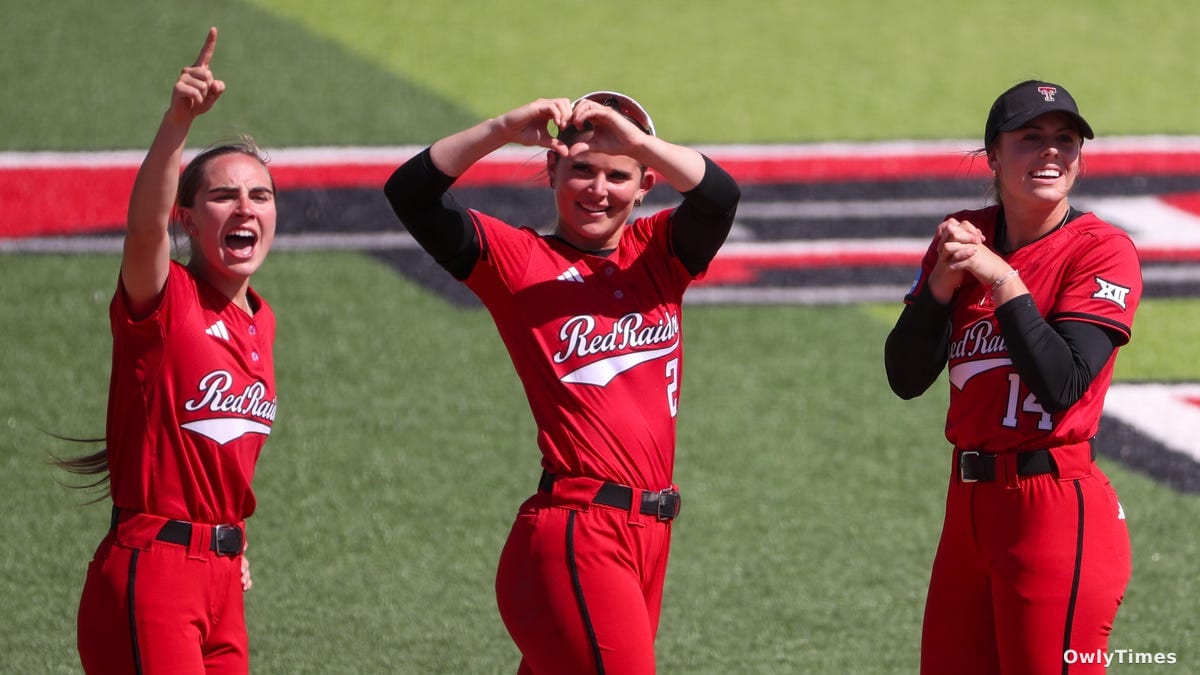
The numbers are stark. Texas Tech football alone received $13.67 million in NIL funding during that 12-month period, a jump from roughly $3.3 million in each of the two prior years. Men’s basketball wasn’t far behind at $6.54 million, also nearly tripling its previous funding. While softball, baseball, and women’s basketball saw significant increases – $2.00 million, $1.09 million, and $803,399 respectively – the disparity is glaring. This isn’t a rising tide lifting all boats; it’s a superyacht race leaving smaller vessels in its wake. The surge wasn’t accidental. The impending House v. NCAA settlement, which introduces a fair-market-value assessment on NIL deals and greater oversight, incentivized donor collectives like The Matador Club to “front-load” contracts, essentially pre-paying athletes before stricter regulations take effect on July 1, 2025. It’s a scramble to lock in deals before the rules change, a last gasp of the Wild West era of NIL.
See the original lubbockonline.com story for the full account.
Beyond the Dollar Signs: The Revenue Sharing Equation
But the NIL explosion is only half the story. Starting July 1, 2025, the House v. NCAA settlement allows universities to directly share revenue with athletes, a total pool estimated at $20.5 million per school. Kirby Hocutt, Texas Tech’s athletics director, and Jonathan Botros, deputy AD, have outlined a plan to allocate 74% of that revenue to football and 17-18% to men’s basketball. That translates to $15.1 million for football and $3.6 million for men’s basketball in addition to the existing NIL deals. This dual-track system – NIL from collectives plus direct revenue sharing – creates a potentially unsustainable model. Are we witnessing the creation of a two-tiered system within college sports, where a handful of “revenue” athletes are exponentially compensated while others are left behind? The potential for resentment and legal challenges is significant.
The Compliance Tightrope and the Shadow Economy
The sheer volume of money flowing through NIL raises legitimate concerns about compliance. Robert Giovannetti, Texas Tech’s senior associate athletics director, insists the university is emphasizing accurate reporting, with regular meetings and reminders to athletes. However, he acknowledges the inherent difficulty in verifying every deal, particularly those facilitated by agents. “We can’t fill it out for them,” he admitted, highlighting the reliance on athletes to self-report deals exceeding $600 through the NIL Go portal. The implication is clear: the system relies on trust, and the potential for underreporting – or outright concealment – is substantial. The university withheld NIL amounts for men’s and women’s tennis and women’s golf, citing FERPA, further obscuring the full picture. This isn’t about malicious intent, necessarily, but about the logistical nightmare of tracking a decentralized, rapidly evolving financial ecosystem.
What This Means for the Future of College Athletics
The Texas Tech case study isn’t unique. It’s a microcosm of the broader upheaval sweeping college athletics. The era of the “student-athlete” is fading, replaced by a more transactional relationship. While some celebrate the ability of athletes to profit from their talents, others lament the erosion of amateurism and the widening gap between the haves and have-nots. The question now isn’t if college sports will change, but how. Will the new revenue-sharing model create a more equitable distribution of wealth, or will it further concentrate power and resources in the hands of a select few? Will the increased scrutiny of NIL deals curb the excesses, or will it simply drive more activity underground? And, crucially, will fans continue to embrace a system that increasingly resembles professional sports, or will they seek alternatives that prioritize the original ideals of collegiate competition? The next year will be critical, a period of adjustment and experimentation that will determine the future of college athletics for decades to come. Will Texas Tech, and institutions like it, be able to navigate this new landscape without sacrificing the integrity of their programs and the spirit of the game?