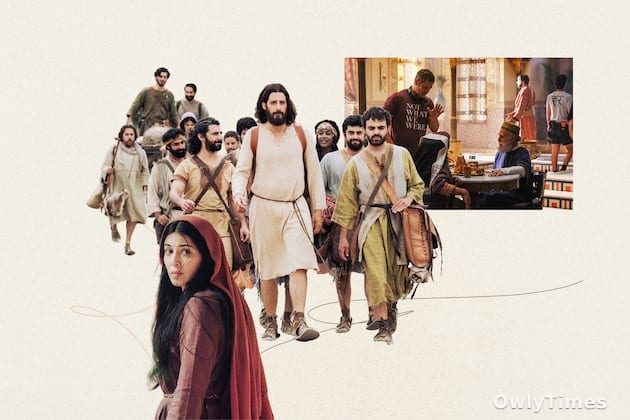

The air crackled with anticipation at ChosenCon in Charlotte, North Carolina this February. Thousands, draped in teal merchandise or even biblical-era costumes, snaked around the convention center, not for a superhero or pop star, but for a television show about Jesus. It’s a scene that would have been unthinkable just a few years ago, but “The Chosen” didn’t just break into the television landscape – it detonated, proving a massive, previously underestimated audience hungry for faith-based storytelling. With over 300 million viewers across 175 countries and nearly a billion episode views, the series isn’t just a success story; it’s a cultural tremor reshaping the entertainment industry and forcing a reckoning with what audiences actually want.
The impact of “The Chosen” extends far beyond impressive viewership numbers. It’s ignited a boom in faith-based entertainment, with series like “House of David” finding global audiences and confirming this wasn’t a fluke. But creator Dallas Jenkins isn’t focused on claiming a trailblazer title. “When I’m working on the show, I can’t be thinking about anything more than trying to make a good show,” he told the Deseret News. This humility is striking, especially considering the sheer scale of the shift he’s catalyzed. Jenkins’ focus on quality, on delivering a faithful yet relatable portrayal of Jesus, is precisely what unlocked this audience – and what others are now scrambling to replicate.
See the original deseret.com story for the full account.
What’s happening isn’t simply a resurgence of religious programming. For decades, faith-based films and television were relegated to niche markets, often hampered by low budgets and perceived artistic limitations. “The Chosen” shattered that mold. It’s a beautifully produced, emotionally resonant drama that doesn’t shy away from the gritty realities of the first century. Actor Noah James, who plays Andrew, points to the series’ authenticity as key: “It raises the bar. It’s trying to be as authentic as possible.” This isn’t a sanitized, polished Jesus; it’s a man who gets tired, grieves, and struggles with his disciples – a humanity that resonates deeply with modern viewers. James Barnett, CEO of Come and See foundation, succinctly puts it: “Dallas has portrayed the humanity of Christ like we’ve never seen before in cinema.”
The series’ success also bypassed the traditional Hollywood gatekeepers. Funded through crowdfunding – supporters have donated nearly $28 million for the seventh and final season – “The Chosen” demonstrated the power of direct audience engagement. Episodes are ultimately released for free on “The Chosen” app, maximizing global reach. This model, a direct response to perceived biases within the industry, proved that a passionate fanbase can finance and distribute high-quality content, challenging the established power structures. It’s a potent reminder that audiences aren’t passive consumers; they’re potential investors and advocates.
But the “Chosen” effect isn’t just about one show. It’s about a fundamental shift in the market. Jon Gunn, co-creator of “House of David,” notes that “The Chosen” proved “how many millions and millions of people are hungry for this content all over the world.” This realization has spurred mainstream platforms to take notice. Amazon MGM Studios now holds exclusive streaming rights to “The Chosen” and is partnering with Wonder Project to develop more faith-based content, including the successful series “House of David,” which has amassed over 55 million viewers on Prime Video. Netflix and Fox are also entering the arena, releasing films and series with faith-based themes. Even Angel Studios, instrumental in distributing “The Chosen,” has gone public, signaling the growing financial viability of this genre.
This isn’t simply about appealing to a religious demographic. It’s about tapping into a desire for stories that offer hope, meaning, and moral grounding – values that resonate across cultural boundaries. The success of films like “The Chosen: Last Supper” ($35 million box office) and “David” ($22 million debut) demonstrates that faith-based entertainment can compete with mainstream blockbusters. The key, as Gunn emphasizes, is to “make great stories – really well made stories that reaffirm and affirm (an audience’s) faith and values.”
Jenkins himself is already planning an expansion of “The Chosen” universe, with spinoff series focusing on figures like Joseph of Egypt and Moses, and even a reality show with Bear Grylls. This ambition, coupled with the industry’s newfound interest, suggests that faith-based entertainment isn’t a passing trend. But the question remains: can this momentum be sustained? Will the market become oversaturated with similar content, or will creators continue to deliver high-quality, compelling stories that resonate with audiences worldwide? The next two years will be critical in determining whether this is a genuine cultural shift or simply a moment in the sun.