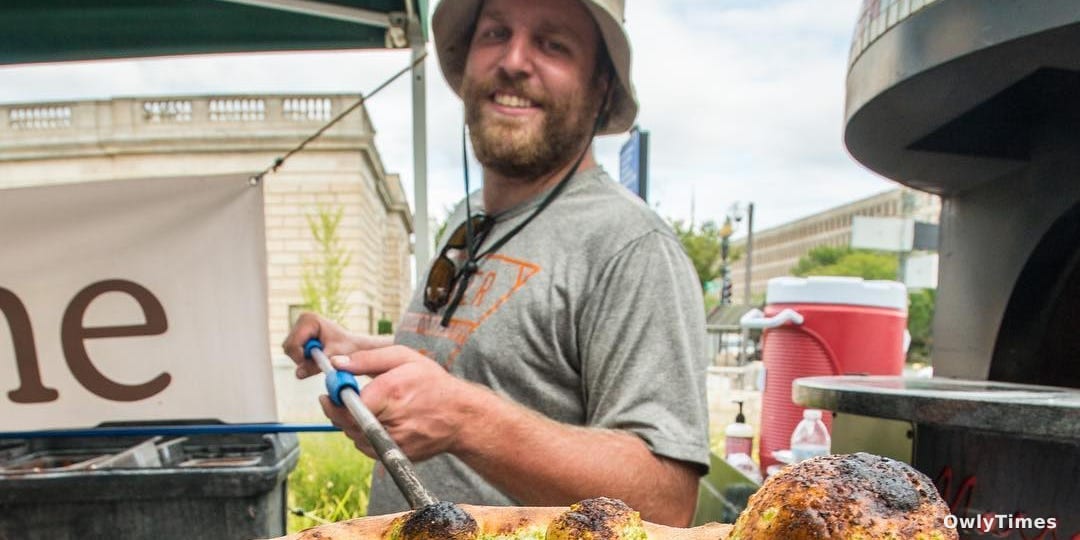

$20,000. That’s how much Chris Brady and his business partner risked in 2015 to launch Timber Pizza Co., a venture born not from a detailed market analysis, but from a shared dissatisfaction with corporate life and a chance encounter with a mobile wood-fired pizza operation. While the story reads like a classic entrepreneurial tale of bootstrapping and passion, the rapid expansion of Timber Pizza – now boasting nine brick-and-mortar locations and five mobile units primarily across the South – reveals a broader trend: the increasing viability of franchise models fueled by a demographic actively seeking alternatives to traditional employment, and a surprisingly resilient demand for experiential dining even amidst economic uncertainty. Follow the money, and you’ll find Timber Pizza isn’t just selling pizza; it’s selling an escape, and capitalizing on a shift in how Americans approach work and leisure.
The genesis of Timber Pizza is rooted in a specific moment of corporate disillusionment. Brady, then 25, recognized a lack of fulfillment in tech sales, a sentiment echoed by coworker Andrew Dana. This wasn’t a unique experience; the U.S. Bureau of Labor Statistics consistently shows a churn rate of roughly 23% annually, with a significant portion of those departures driven by dissatisfaction with work-life balance and career advancement opportunities. But unlike many who simply switch jobs, Brady and Dana actively sought an alternative. Their initial investment – $15,000 from Brady’s father and $5,000 of personal savings – was remarkably low for a food business, a deliberate strategy to minimize risk. This contrasts sharply with the average startup cost for a restaurant, which typically ranges from $175,000 to $350,000 according to a 2023 report by restaurant consultancy Technomic. The mobile model, utilizing a 1967 Chevy truck and a wood-fired oven, allowed them to bypass the substantial overhead of a fixed location.
The early success of Timber Pizza wasn’t solely about low costs. It was about creating an experience. The founders intentionally cultivated a playful brand identity – “riding around in basketball shorts blasting hip-hop music” – that resonated with a Washington, D.C. clientele increasingly valuing authenticity and a departure from sterile corporate environments. This focus on experience proved crucial. While the broader restaurant industry saw a 2.5% decline in revenue in 2020 due to the pandemic, mobile food vendors experienced a 7.6% increase, according to the National Restaurant Association. Timber Pizza’s mobile units, already established, were well-positioned to capitalize on this shift towards outdoor and contactless dining. The 2017 “Pizzeria of the Year” recognition from Bon Appétit and the 2019 Michelin Bib Gourmand further validated their approach, translating brand recognition into tangible revenue growth.
However, the pandemic presented a new set of challenges. Despite the initial resilience of the mobile units, the long-term viability of the business required a more scalable model. This led to the decision in 2021 to pursue franchising, bringing in new partners and capital to stabilize and expand operations. This move, while seemingly logical, represented a significant pivot. Brady himself described it as “rewiring my brain,” shifting from a hands-on, owner-operator approach to a systemized franchise model. The timing is noteworthy. Franchise inquiries surged 17% in 2021 and 2022, according to the International Franchise Association, driven by individuals seeking greater control over their income and career paths in a post-pandemic economy. Timber Pizza tapped into this growing demand, focusing expansion on markets in the South – Atlanta, Savannah, Greenville, and Wilmington – areas experiencing significant population growth and a favorable business climate.
Drawn from Business Insider.
The current trajectory of Timber Pizza – aiming for 5-8 new locations annually over the next three to five years – is ambitious, but supported by demonstrable market trends. The franchise model allows for rapid expansion with reduced capital expenditure, while the brand’s established identity and focus on experiential dining provide a competitive advantage. However, the success of this expansion hinges on maintaining quality control across franchises and navigating potential supply chain disruptions. The cost of key ingredients – flour, cheese, tomatoes – has increased by an average of 15% since 2021, according to the USDA, potentially squeezing profit margins for franchisees. What this means for your wallet: expect to see continued growth in fast-casual pizza franchises like Timber Pizza, but also be prepared for potential price increases as ingredient costs and labor pressures impact the industry. The key question for investors and consumers alike is whether Timber Pizza can successfully scale its unique brand identity while maintaining the quality and experience that initially fueled its success, or if rapid expansion will dilute the very qualities that set it apart.





