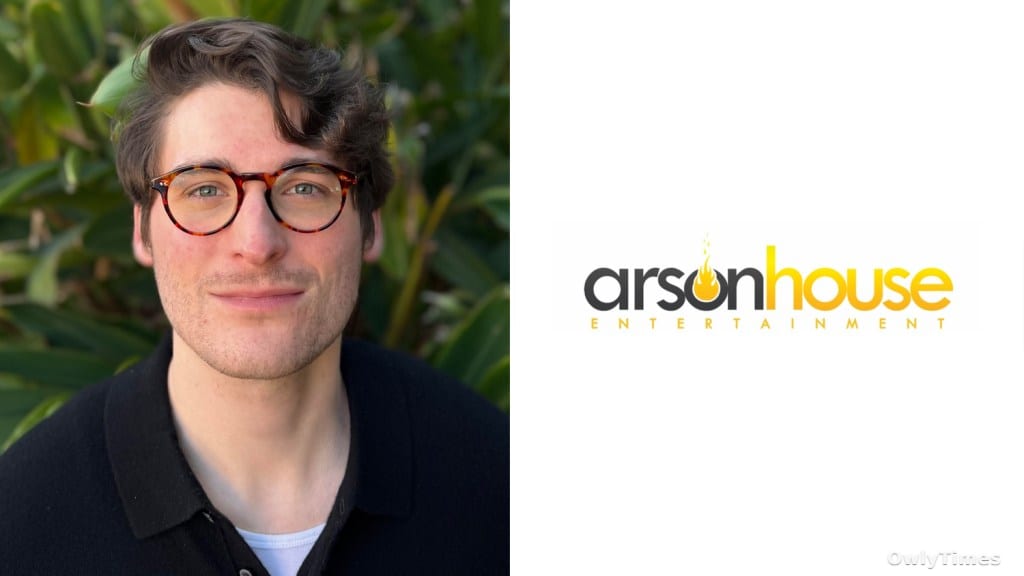

The air in the comedy world feels particularly restless these days, a low hum of shifting allegiances and strategic moves. It’s not just about who’s getting laughs; it’s about who’s building empires. And the latest tremor? J.M. Stodola’s move from Sugar23 to Arsonhouse Entertainment, a shift that speaks volumes about where the industry sees its future – and who’s poised to capitalize on it. This isn’t simply a manager changing firms; it’s a talent scout with a proven eye for rising stars aligning with a company aggressively expanding beyond representation into full-scale production.
The Branded Content Pivot and the Managerial Exodus
Sugar23’s recent reorganization, prioritizing its branded entertainment studio, is the key to understanding this move. For years, Sugar23 was a hotbed for cultivating comedic voices, but the industry’s relentless pursuit of integrated marketing and content creation has reshaped the landscape. The shift towards branded content – essentially, turning advertising into entertainment – demands a different skillset and a different focus. While Sugar23 doubles down on this new direction, it’s created an opening for competitors like Arsonhouse to swoop in and snag top-tier managerial talent. Stodola’s departure, after a four-year climb from assistant to manager, isn’t a reflection of Sugar23’s success, but a consequence of its evolving priorities. It’s a reminder that even in the seemingly freewheeling world of comedy, business decisions dictate careers.
Source material: deadline.com.
Beyond Representation: Building a Comedy Ecosystem
Arsonhouse Entertainment, founded in 2011, isn’t just signing names; they’re building an ecosystem. Representing established comics like Gabriel “Fluffy” Iglesias and Jo Koy – fresh off a history-making 70,000-person show at SoFi Stadium – provides a solid foundation, but Arsonhouse is clearly aiming higher. They’re producing specials, concerts, television, and film, effectively controlling more of the value chain. This vertical integration is becoming increasingly common in entertainment, as companies seek to capture revenue from multiple sources. Stodola’s roster, which includes rising stars like London Brown (whose final season of Power Book III: Raising Kanan drops in June) and Erica Rhodes (a “Stand-Up To Watch” in 2026), fits perfectly into this model. He’s not just finding funny people; he’s identifying talent with the potential to become multi-platform brands.
The New Comedy Power Brokers
What’s particularly interesting is the breadth of Stodola’s client list. It’s not limited to stand-up; it includes writers like Jesse Esparza (Mixed-ish, Maggie), comedy rap duo Max Castillo and Aaron Monte, and actors like Sam Skolnik (Freaky Tales). This suggests a strategic focus on comedic voices across all mediums, a recognition that humor isn’t confined to the stage anymore. The rise of platforms like YouTube and TikTok has democratized comedy creation, and managers like Stodola are now tasked with navigating this fragmented landscape. He’s bringing a roster that understands the nuances of short-form video, digital sketches, and the evolving demands of online audiences. This is a departure from the traditional model of solely focusing on touring and television appearances.
What This Means for the Future of Comedy Management
Stodola’s move to Arsonhouse isn’t just a career advancement; it’s a bellwether for the future of comedy management. The industry is demanding managers who are not only skilled at securing gigs but also adept at building brands, negotiating production deals, and understanding the complexities of digital media. The question now is: will other agencies follow suit, prioritizing production and content creation over traditional representation? And, more importantly, will this shift ultimately benefit comedians, or will it further concentrate power in the hands of a few large companies? We’re likely to see a wave of similar moves in the coming months, as managers reassess their positions and seek out companies that offer more than just a paycheck. The comedy world is about to get a lot more competitive, and the stakes are higher than ever.