
A $150 Million Signal: Consolidation in the ‘Green Care’ Sector
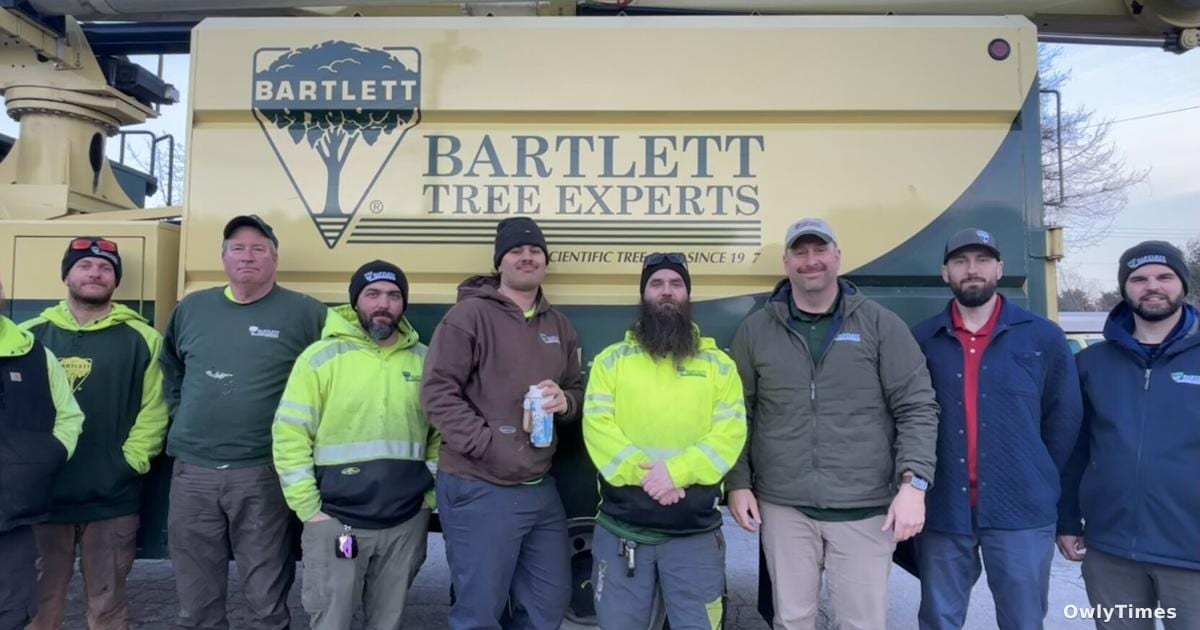
The recent acquisition of Lee Gilman & Associates by Bartlett Tree Experts isn’t simply a local business transaction; it’s a data point illustrating a broader trend of consolidation within the specialized landscape services industry, mirroring a $150 million settlement reached this week by Adobe regarding subscription practices. While seemingly disparate, both events reveal a market prioritizing scale and recurring revenue streams, and a willingness to invest heavily to secure them. Bartlett, a company tracing its roots back to 1907, is demonstrably betting that a larger footprint translates to greater profitability in a market increasingly focused on preventative care – for both digital subscriptions and living infrastructure.
The purchase price of Lee Gilman & Associates was not disclosed, but the strategic rationale is clear. Founded in 2008 by Lee Gilman, the Amherst-based firm built a reputation for high-quality, personalized tree care. This isn’t about acquiring distressed assets; it’s about absorbing a well-regarded competitor with an established client base. Bartlett’s President and COO, Jim Ingram, explicitly frames the move as expanding “industry-leading scientific plant health care services,” suggesting a premium positioning beyond basic tree trimming. This emphasis on “scientific” care is crucial. The tree care industry, traditionally fragmented and reliant on manual labor, is slowly adopting data-driven approaches to diagnostics and preventative maintenance – a shift that requires significant investment in research and development, like that undertaken by Bartlett’s own research laboratories, celebrating their 100th anniversary this year.
Reporting from unionleader.com informs this analysis.
This acquisition occurs against a backdrop of increasing demand for specialized landscape services. Homeowners and commercial property owners are increasingly aware of the long-term costs associated with neglecting tree health, from property damage to potential safety hazards. This preventative mindset fuels demand for arborists with advanced diagnostic capabilities, precisely the services Bartlett offers. The company’s existing Hooksett office will be strengthened by the addition of Gilman’s team, but the real value lies in integrating Gilman’s client list into Bartlett’s broader service offerings. This cross-selling potential is where the financial gains will materialize. Consider that the average homeowner spends roughly $500 annually on landscaping, according to the American Landscape Association; upselling preventative tree care packages could easily increase that figure by 15-20%.
The timing of this move is also noteworthy. While the broader economic outlook remains uncertain, the housing market in southern New Hampshire remains relatively robust, driving demand for property maintenance services. Simultaneously, the ongoing geopolitical instability – highlighted by the Iran war impacting fertilizer costs for US farmers – underscores the importance of preserving existing natural resources, including mature trees. Trees provide essential ecosystem services, from carbon sequestration to stormwater management, and proactive care is becoming increasingly vital. Gary Nedorostek, VP and Division Manager for Bartlett’s Northern New England operations, emphasized the continuity of care for Gilman’s existing clients, signaling a deliberate strategy to minimize disruption and maximize retention.
What this means for your wallet: Expect to see a continued rise in the cost of specialized landscape services, but also a greater emphasis on long-term value. The Bartlett acquisition signals a shift towards a more professionalized, data-driven approach to tree care. The question now is whether smaller, independent arborists can compete with the resources and scale of companies like Bartlett, or if we’ll see further consolidation in the coming years. Watch for a rise in subscription-based tree care packages offering annual inspections, preventative treatments, and priority service – a model mirroring the very subscription practices Adobe just settled over. Will consumers embrace this proactive, albeit potentially more expensive, approach to landscape maintenance?





