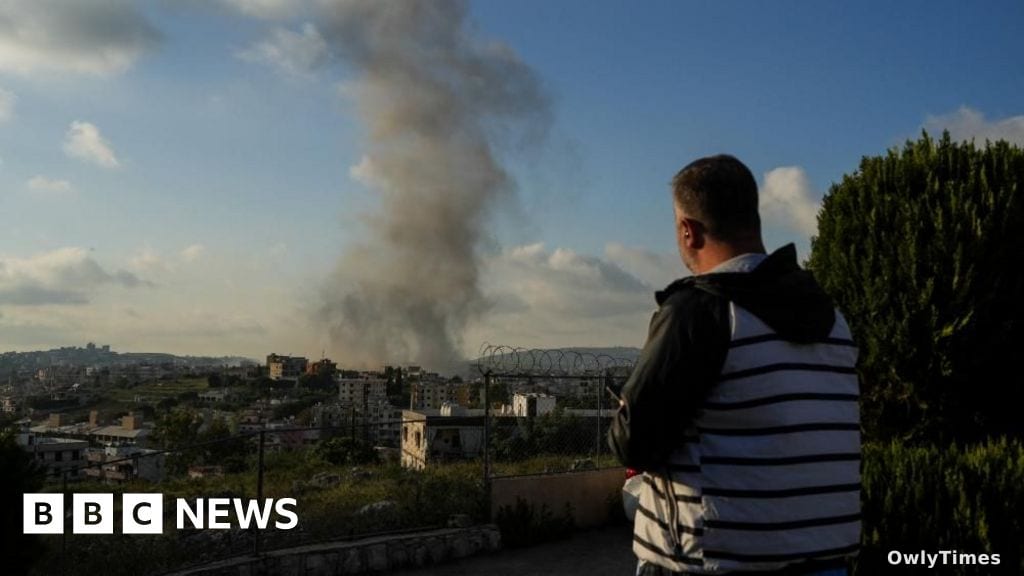

The recurring violence in southern Lebanon serves as a stark reminder of the limitations inherent in high-level diplomatic pauses when they exist in a vacuum, separate from the realities on the ground. Despite a ceasefire extension currently in effect, the Lebanese health ministry reported that at least 13 people—including four women and a child—were killed in Israeli air strikes on May 1. These casualties, which occurred across the districts of Nabatieh, Sidon, and Tyre, demonstrate how quickly the fragility of a negotiated truce can be undone by persistent military engagement.
The Disconnect Between Diplomatic Extension and Local Reality
The current situation is defined by a deep contradiction: while the United States has facilitated high-level talks between Lebanon and Israel, the actual conflict remains active. An initial 10-day pause in hostilities began on April 16 following ambassador-level meetings in Washington—the first such high-level contact between the two nations since 1993. On April 23, U.S. President Donald Trump announced a three-week extension to this ceasefire, framing the progress as a successful step toward helping Lebanon protect itself from the Iran-backed group Hezbollah.
However, the reality on the ground does not reflect the optimism of these diplomatic sessions. While the ceasefire has largely spared Beirut and its suburbs, the southern region remains a theater of active combat. On May 1, the Israel Defense Forces (IDF) conducted strikes in Haboush, an area where they had previously issued evacuation orders, resulting in eight deaths. In total, 32 people were injured in the latest wave of strikes, highlighting that the "ceasefire" remains highly selective in its application.
Assessing the Human and Military Toll
When evaluating the impact of these strikes, it is necessary to look past the political rhetoric to the raw data provided by the Lebanese health ministry. Since early March, the ministry reports that 2,586 people have been killed in Lebanon, a figure that includes 103 health care workers and emergency responders. It is vital to note, however, that this number does not distinguish between combatants and civilians, making it difficult to assess the exact nature of the casualties.
On the Israeli side, the military toll has also steadily risen. The IDF confirmed that one soldier was killed during combat in southern Lebanon on Thursday, bringing the total number of Israeli troop deaths since early March to 17. Meanwhile, two civilians have been killed within Israel due to Hezbollah-linked attacks. These numbers, while disparate in magnitude, underscore a conflict that has settled into a grinding, localized war of attrition rather than a cooling-off period.
The Limitations of External Guarantees
The diplomatic focus has recently shifted toward a proposed meeting between Lebanese President Joseph Aoun and Israeli Prime Minister Benjamin Netanyahu. On April 30, the U.S. embassy in Beirut suggested this meeting could provide Lebanon with concrete guarantees regarding sovereignty, territorial integrity, and the restoration of state authority, all underwritten by the U.S.
The primary limitation here is that neither leader has responded to the proposal. Furthermore, Hezbollah—a key party to the conflict—was not involved in the original ceasefire agreement, though they previously indicated they would abide by terms if Israel did the same. Without direct engagement from the primary non-state actor on the ground, high-level guarantees of "sovereignty" remain theoretical.
The next reading of the casualty data and the frequency of IDF strikes in the 10km zone of occupied Lebanese territory will indicate whether the current diplomatic framework has any capacity to de-escalate the fighting or if the conflict will continue to operate independently of the agreements reached in Washington.