
The regional landscape across the Middle East is shifting toward a state of constant, low-intensity friction, marked by a departure from conventional frontlines toward a reliance on drone incursions, tunnel warfare, and targeted strikes. As of May 10, 2026, the accumulation of these disparate events—from the skies over Kuwait to the southern villages of Lebanon—suggests that the mechanisms of de-escalation are struggling to contain a widening sphere of tactical engagement.
The Infrastructure of Subterranean Warfare
In Gaza, the Israel Defense Forces (IDF) reported the dismantling of two tunnels east of the unofficial "Yellow Line," a boundary established following the October cease-fire. These routes spanned approximately 2 kilometers (1.2 miles) in length, functioning as storage hubs for dozens of rockets and explosive devices. While the headlines often focus on the destruction of these assets, the scientific and tactical reality is more complex: the discovery of "hideouts" inside these routes indicates that the subterranean network remains a primary logistical artery for combatants, even in areas where formal hostilities have theoretically paused. This ongoing subterranean activity underscores the limitations of surface-level cease-fires in preventing the replenishment of weapons caches.
Escalation Through Aerial Interception
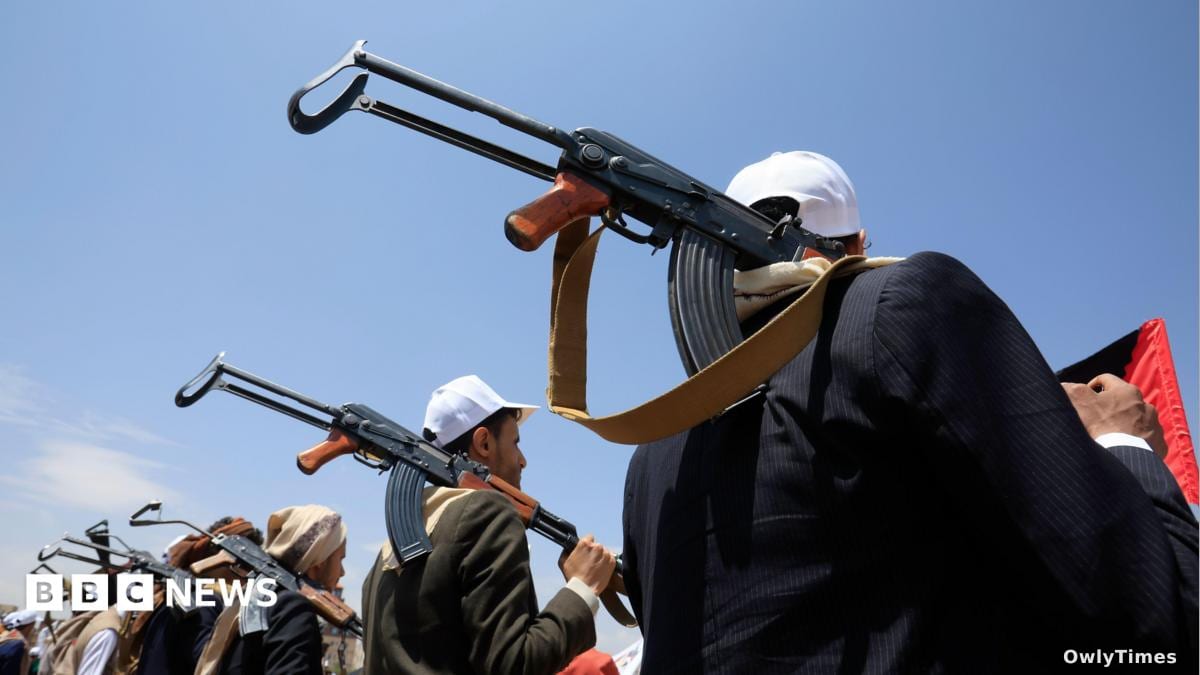
The threat profile has expanded geographically, as evidenced by the Kuwaiti armed forces' detection of hostile drones within their airspace early Sunday. Defense ministry spokesperson Colonel Saud Abdulaziz Al-Atwan confirmed that the military engaged these targets according to "established procedures." This incident is significant because it illustrates the proliferation of unmanned aerial vehicle (UAV) technology across borders previously considered outside the immediate theater of conflict. When these drones penetrate the sovereign airspace of nations not directly party to the primary disputes, the risk of accidental miscalculation increases, potentially drawing additional regional actors into the conflict.
The Human Cost of Targeted Strikes
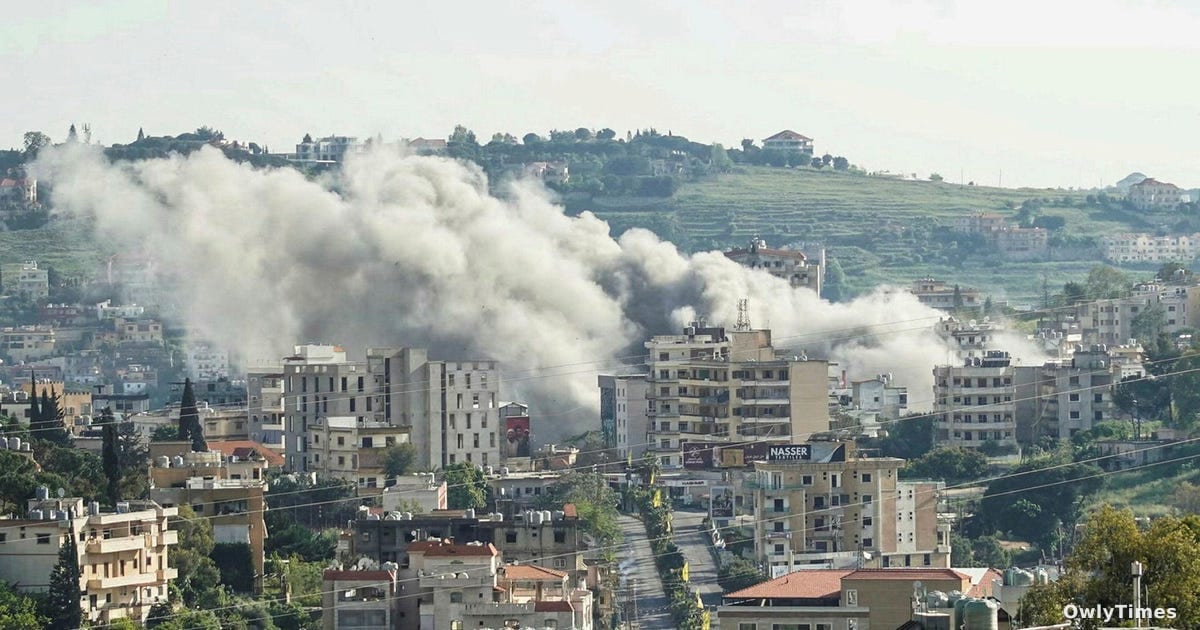
The kinetic reality on the ground remains devastatingly high. In southern Lebanon, the Lebanese Health Ministry reported that IDF strikes killed 36 people and wounded 74 over the past 24 hours. The targeting of offices belonging to the Islamic Health Authority in Qalaouiyeh and Tebnine—resulting in the wounding of several paramedics—highlights the precariousness of medical infrastructure in active conflict zones. Concurrently, the Shehab news agency reported that 107 Palestinians were evacuated through the Rafah border crossing, including 44 individuals seeking urgent medical treatment. The juxtaposition of medical evacuations and medical personnel casualties captures the systemic breakdown of healthcare access in the region.
Limitations to Consider
While the reported statistics provide a snapshot of the current volatility, they are limited by the fog of war and the reliance on state-affiliated media reports. For instance, the Islamic Revolutionary Guard Corps (IRGC) has issued warnings regarding a "heavy assault" on U.S. bases should Iranian ships be struck, yet these threats must be measured against the diplomatic efforts currently underway. Qatari Prime Minister Mohammed bin Abdulrahman al-Thani met with U.S. Secretary of State Marco Rubio in Miami to discuss Pakistani-led mediation efforts. These diplomatic channels operate on a different timeline than the tactical drone strikes and tunnel clearances reported by the IDF. The primary tension remains between these top-level mediation attempts and the ground-level reality of expanding military operations.
The next readings of the regional security status will likely hinge on the effectiveness of the ongoing talks between Qatari and American officials. Observers should monitor whether the mediation framework can produce a tangible reduction in drone incursions or if the current pattern of localized strikes will continue to dictate the security environment.