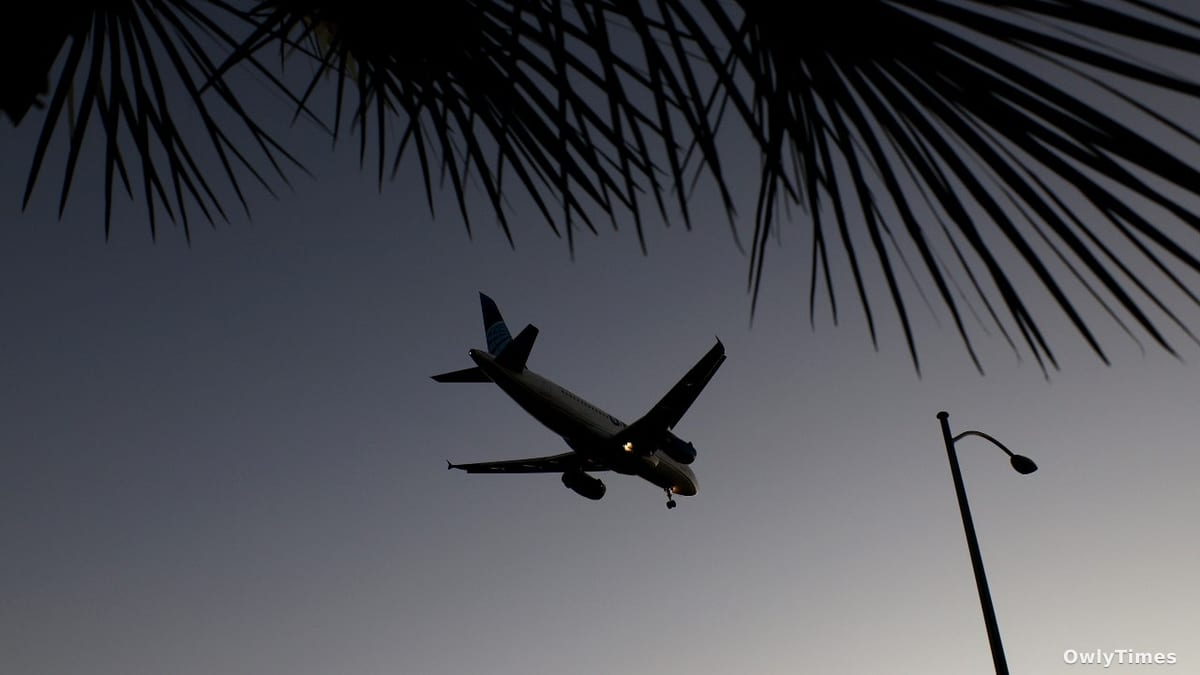

Jet fuel prices reaching $3.79 per gallon on Friday—a surge of more than 50% since the onset of the Iran war on Feb. 27—have forced Air Canada to initiate a tactical contraction of its route network. While the airline characterized the cuts as a routine evaluation of profitability, the underlying financial pressure is clear: carriers are no longer absorbing the inflationary shock of volatile energy markets. By pulling capacity from specific hubs, the airline is attempting to insulate its margins against a cost environment that has effectively doubled fuel expenses since the start of the regional conflict.
Strategic Exit from High-Competition Hubs
The most significant shift involves the total suspension of service to John F. Kennedy International Airport (JFK) in New York City. Beginning June 1 and lasting through Oct. 25, 2026, Air Canada will cease flights to the airport from its primary hubs in Montreal and Toronto. This move appears to be a consolidation play; the carrier maintains a much larger footprint at Newark (EWR) and LaGuardia (LGA) airports, where local reporting from CTV News notes roughly 34 daily departures from across Canada.
By prioritizing these secondary New York-area airports, Air Canada is likely optimizing its operational efficiency by concentrating aircraft utilization where demand density is higher and unit costs are lower. The suspension of the Salt Lake City International Airport (SLC) route, which is served exclusively from Toronto Pearson (YYZ), follows a similar logic. Service is slated to halt on June 30 with a projected return in 2027, creating a six-month window where the airline avoids the overhead of a lower-volume transborder route during a period of sustained fuel price volatility.
Domestic and International Capacity Trimming
Beyond transborder routes, the airline is trimming its domestic and international footprint in what it describes as a redirection of resources. Routes between Vancouver and Fort McMurray will end on May 28, while the connection between Toronto and Yellowknife is scheduled for suspension on Aug. 30. Unlike the U.S.-bound routes, these domestic segments do not have a defined resumption date, suggesting that these markets may no longer align with the airline’s current profitability benchmarks.
The decision to indefinitely suspend a planned service between Montreal and Guadalajara, Mexico, further underscores a shift toward risk mitigation. While Air Canada claims these changes impact only 1% of its total annual flying capacity for 2026, the cumulative effect of these cuts signals a broader industry trend. Major carriers including JetBlue, Southwest, American, and United Airlines have already begun passing fuel costs onto consumers through increased checked bag fees, a clear indicator that the industry is in a defensive posture against rising operational expenditures.
Implications for Travelers and Investors
For the individual traveler, the immediate impact is a reduction in routing flexibility, particularly for those relying on the Montreal-JFK and Toronto-JFK corridors. While the airline has committed to contacting affected passengers with alternative travel options, the shrinking of secondary routes like those serving Fort McMurray and Yellowknife could lead to increased travel times or higher fares for those in regional markets.
For investors, the next reading of the jet fuel price index will be the primary indicator of whether this capacity reduction remains a targeted adjustment or the beginning of a broader network austerity program. With ACDVF closing at $13.823 following the announcement, the market is currently pricing in the immediate impact of these cuts. Whether this move sufficiently protects the carrier’s balance sheet depends on the persistence of fuel prices above the $3.70 threshold.