
The Calculated Ambiguity of Trump’s Iran Stance
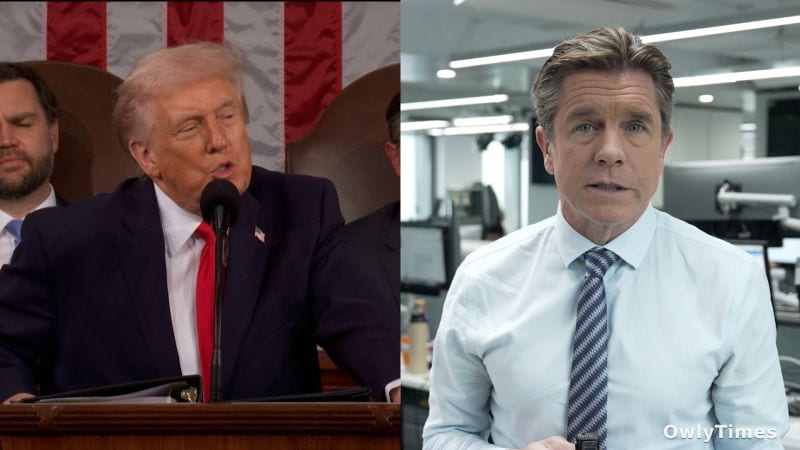
The core strategic calculation behind President Trump’s declaration – delivered during his State of the Union address – that he “would never let Iran have a nuclear weapon” isn’t about the statement itself, but the deliberate ambiguity surrounding how that outcome will be achieved. It’s a positioning move, designed to simultaneously project strength to domestic audiences and maintain a degree of flexibility in a volatile region. The overt threat serves as a deterrent, but the simultaneous emphasis on a preference for diplomacy signals a willingness to negotiate – a duality that allows the administration to control the narrative and avoid immediate escalation. This isn’t a new tactic; it echoes the “peace through strength” rhetoric employed by Ronald Reagan during the Cold War, where a build-up of military power was coupled with overtures to the Soviet Union. However, unlike the relatively predictable dynamics of the Cold War, the current situation involves multiple actors with overlapping and often conflicting interests, making the risk of miscalculation significantly higher.
Source material: CNN.
Who benefits and who loses from this carefully calibrated message? Domestically, Trump shores up support among hawkish Republicans and demonstrates resolve to voters concerned about regional instability. Internationally, the message is aimed squarely at Iran, attempting to compel a return to negotiations on stricter limitations to its nuclear program. Simultaneously, it’s a signal to allies – particularly Israel and Saudi Arabia – that the US remains committed to containing Iranian influence. The losers are those hoping for a clear, decisive US policy. European powers, who invested heavily in the Joint Comprehensive Plan of Action (JCPOA), find themselves caught between a US administration skeptical of the deal and an Iran increasingly willing to breach its terms. Iran itself loses the certainty of a defined relationship with the US, forced to operate under the constant threat of escalation. The JCPOA, once a cornerstone of international non-proliferation efforts, is now effectively in limbo, its future dependent on a complex interplay of political wills.
The historical precedent most relevant here isn’t necessarily the Cold War, but the lead-up to the 2003 invasion of Iraq. Like then, the current rhetoric centers on the perceived threat of weapons of mass destruction, albeit with a stated preference for avoiding military conflict. The key difference is that Trump lacks the broad international coalition that President George W. Bush assembled – a critical factor that ultimately undermined the legitimacy and long-term stability of the Iraq War. The absence of such a coalition now suggests a greater reliance on unilateral action, or at least the threat of it, to achieve US objectives. This reliance is further complicated by the ongoing war in Ukraine, which has diverted US attention and resources, and by the increasingly assertive role of China in the Middle East, offering Iran an alternative economic and political partner.
The recent reports, as highlighted by CNN’s Ivan Watson, of heightened tensions in the region – including the aftermath of the drug lord’s killing in Mexico and the North Korean nuclear provocations – underscore the interconnectedness of global security challenges. These events aren’t isolated incidents; they represent a broader trend of instability and a weakening of the international order. The US response to these challenges, particularly regarding Iran, will be closely watched by adversaries and allies alike. Former CENTCOM Commander Bob Harward’s assessment of potential US strike priorities inside Iran, while speculative, highlights the level of contingency planning underway, even as the administration publicly emphasizes diplomacy.
The political chess move to watch next isn’t a dramatic military action, but the upcoming negotiations surrounding the release of frozen Iranian assets. The Biden administration has signaled a willingness to consider limited sanctions relief in exchange for verifiable commitments from Iran to curb its nuclear program and de-escalate regional tensions. The question is whether Trump, should he regain the presidency, will dismantle any such agreement, reverting to a policy of maximum pressure. The answer to that question will determine not only the fate of the JCPOA, but the broader trajectory of US-Iran relations for years to come.





