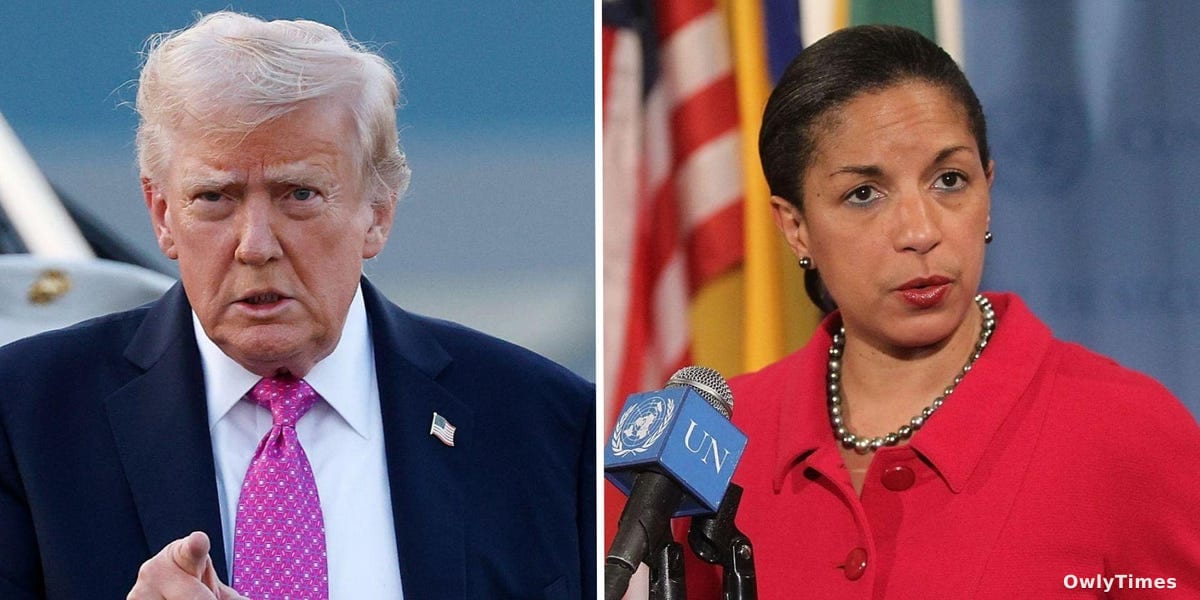

The chipped Formica of the diner booth felt cold under my elbows as I scrolled through the news this Saturday morning. It wasn’t the merger itself – Netflix and Warner Bros. Discovery circling each other like cautious predators – that snagged my attention. It was the digital shriek cutting through the business headlines: Donald Trump demanding Netflix fire Susan Rice from its board. It felt less like a political maneuver and more like a return to a particularly unsettling form of performance art, a reminder that in American public life, even corporate mergers aren’t immune to personal vendettas. But beyond the headlines, this isn’t just about bruised egos; it’s a stark illustration of how deeply entangled entertainment has become with the raw, unpredictable currents of American politics.
The Price of Speaking Truth to Power
Susan Rice, the former US Ambassador to the United Nations and National Security Advisor, triggered Trump’s ire with a simple prediction. Speaking on the “Stay Tuned with Preet Bharara” podcast, she warned that corporations who “take a knee” to Trump – essentially, those who align themselves with him and potentially skirt legal boundaries – should anticipate an “accountability agenda” should Democrats regain power. It was a pointed statement, a direct challenge to the increasingly common practice of corporations attempting to navigate political favor through calculated neutrality or, worse, tacit endorsement. Trump’s response – a demand delivered via Truth Social, amplified by right-wing activist Laura Loomer, threatening unspecified “consequences” – wasn’t just a rebuke of Rice; it was a warning to anyone considering a similar stance. This isn’t a new tactic for Trump, but the direct targeting of a corporate board member over a public statement is a significant escalation.
Original reporting: Business Insider.
The timing is, of course, no accident. Netflix is currently seeking approval for its merger with Warner Bros. Discovery, a deal that will consolidate a massive amount of media power under one roof and inevitably face intense scrutiny from the Department of Justice’s antitrust division. Trump initially claimed he “shouldn’t be involved,” deferring to the DOJ, but his recent intervention suggests a willingness to leverage the merger as a pressure point. He previously expressed concerns about Netflix’s “very big market share,” hinting at potential antitrust issues, but now the focus has shifted to personnel. This raises a critical question: is Trump genuinely concerned about market competition, or is he using the regulatory process to settle scores and exert influence? Ted Sarandos, Netflix’s co-CEO, claimed Trump hadn’t requested political concessions, focusing instead on job creation, but Rice’s presence on the board clearly became a sticking point.
The Shifting Sands of Corporate Responsibility
The broader context here is the evolving expectation of corporate social responsibility. For decades, the prevailing wisdom held that companies should prioritize shareholder value above all else. But increasingly, consumers, employees, and even investors are demanding that corporations take a stand on social and political issues. This pressure has led many companies to publicly embrace diversity, equity, and inclusion initiatives, and to voice support for causes like climate action and voting rights. However, this newfound activism often feels performative, a calculated attempt to appeal to a changing demographic without genuinely challenging the status quo. Rice’s warning speaks directly to this tension, suggesting that corporations can’t simply pay lip service to progressive values while simultaneously courting political favor from figures like Trump. The potential for genuine accountability, she argues, is the only way to ensure that corporate responsibility isn’t just a marketing ploy.
The fact that Trump is willing to publicly threaten a company undergoing a major merger over the political views of a board member sends a chilling message to the entertainment industry. In 2023, the industry saw a surge in politically charged content, with streaming services investing heavily in documentaries and dramas tackling issues like racial justice and climate change. This trend, fueled in part by subscriber demand, has made entertainment a more potent force in the cultural conversation. But this moment with Netflix and Rice demonstrates the fragility of that progress. The industry now faces a difficult choice: continue to embrace social and political engagement, risking the wrath of powerful figures like Trump, or retreat into a safe, apolitical space, potentially alienating a growing segment of its audience. The stakes are high, with the proposed merger valued at an estimated $3 billion, according to reports from The Hollywood Reporter.
What happens next with Netflix, Warner Bros. Discovery, and Susan Rice will be a bellwether for the future of corporate America. Will the Department of Justice prioritize antitrust concerns, or will political considerations influence its decision? More importantly, will other companies be deterred from taking a stand on controversial issues, fearing similar repercussions? The entertainment industry, once seen as a relatively insulated space for creative expression, is now squarely in the crosshairs of a deeply polarized political landscape. And the question isn’t just whether Netflix can complete its merger, but whether it – and the industry as a whole – can navigate this new reality without sacrificing its voice.





