
The Performance of Strength: Trump’s Iran Video and the 2024 Calculation
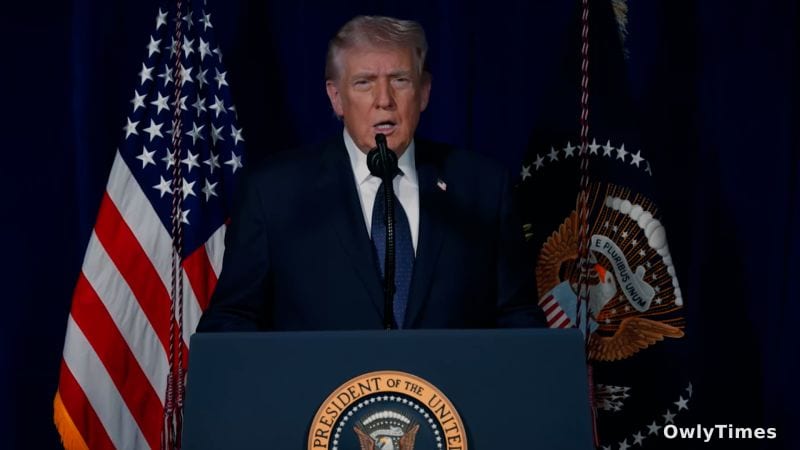
The timing of Donald Trump’s new video on Truth Social, touting the scope of a US military campaign in Iran, isn’t about informing the public – it’s about signaling to a specific electorate and recalibrating his political positioning ahead of November. While the Biden administration has pursued a policy of calibrated response to Iranian-backed proxies, Trump’s video, released amidst escalating tensions, functions as a direct appeal to voters who prioritize a demonstrably “strong” foreign policy. This isn’t a spontaneous reaction to events; it’s a calculated move to reassert a core element of his brand and draw a contrast with his successor. The strategic calculus is clear: project an image of decisive action, even if the reality on the ground is far more complex.
The video’s release coincides with a surge in coverage of the conflict, including reports of doctors in Iran treating protestors amidst a brutal crackdown, the reopening of the Rafah border crossing, and harrowing accounts of conditions in Gaza. This saturation of imagery creates a volatile backdrop against which Trump positions himself as the leader capable of restoring order. The implicit message is that the current administration’s approach is insufficient, and only he possesses the will and strength to effectively address the challenges in the Middle East. Who benefits from this messaging? Primarily, Trump himself, by reinforcing his established persona. Who loses? The Biden administration, facing criticism from the right for perceived weakness, and potentially, regional stability, if rhetoric escalates into miscalculation.
Drawn from CNN.
This tactic isn’t novel. Throughout his career, Trump has leveraged moments of international crisis to bolster his domestic standing. The parallels to the 2011 intervention in Libya under President Obama are striking. Then, as now, a Republican challenger seized on perceptions of weakness and advocated for a more assertive foreign policy. Obama faced accusations of leading “from behind,” a charge Trump is actively attempting to level against Biden. However, the context differs significantly. Libya involved a relatively limited intervention with a clear, albeit contested, objective. The current situation in the Middle East is far more multifaceted, involving multiple actors, deeply entrenched conflicts, and the potential for wider regional war. The risk of oversimplification and escalation is considerably higher.
The inclusion of clips featuring praise from a former Israeli hostage calling Trump an “emissary of God” is particularly revealing. This isn’t simply about showcasing support; it’s about tapping into a powerful emotional narrative and associating himself with a perceived moral high ground. The use of an AI-generated video of a Gaza hostage addressing Trump, while ethically questionable, further underscores the lengths to which his campaign is willing to go to cultivate a specific image. This tactic, while potentially effective with a segment of the electorate, also risks alienating voters concerned about the manipulation of information and the exploitation of human suffering for political gain. The veteran diplomat’s assessment that Hamas is “playing games” with the remains of hostages, juxtaposed with these emotionally charged clips, creates a jarring dissonance.
The broader geopolitical implications are also significant. The escalating tensions in the Middle East, coupled with the ongoing war in Ukraine and rising concerns about China, present a complex and dangerous landscape. Trump’s rhetoric, while appealing to a domestic audience, could inadvertently embolden hardliners in Iran and further destabilize the region. The UN Relief Chief’s assessment of a “man-made famine” in Gaza, dismissed as “politics” by some, highlights the humanitarian consequences of the conflict and the potential for a catastrophic escalation. The situation in Syria, where President Assad gains global recognition while the Druze minority faces continued violence, adds another layer of complexity to the already volatile mix.
The political chess move to watch next isn’t another video, but Trump’s response to any further escalation in the Middle East. Will he continue to offer broad pronouncements of strength, or will he articulate a concrete plan for de-escalation and conflict resolution? More importantly, will he attempt to leverage the situation to pressure the Biden administration into adopting a more hawkish stance? The answer to that question will reveal whether this is a genuine attempt to address the challenges in the region, or simply a calculated maneuver to enhance his electoral prospects.