
For the first time since 2010, the electorate’s trust in economic stewardship has shifted, with new polling data indicating that voters now prefer the Democratic platform over the Republican alternative on key financial issues. This realignment arrives at a precarious moment for the administration, as internal dissent within the GOP base regarding the management of inflation continues to mount. Follow the money and the sentiment behind these figures, and it becomes clear that the political capital of the White House is being tested by persistent cost-of-living pressures that policy announcements have yet to alleviate.
A Candid Admission at the White House
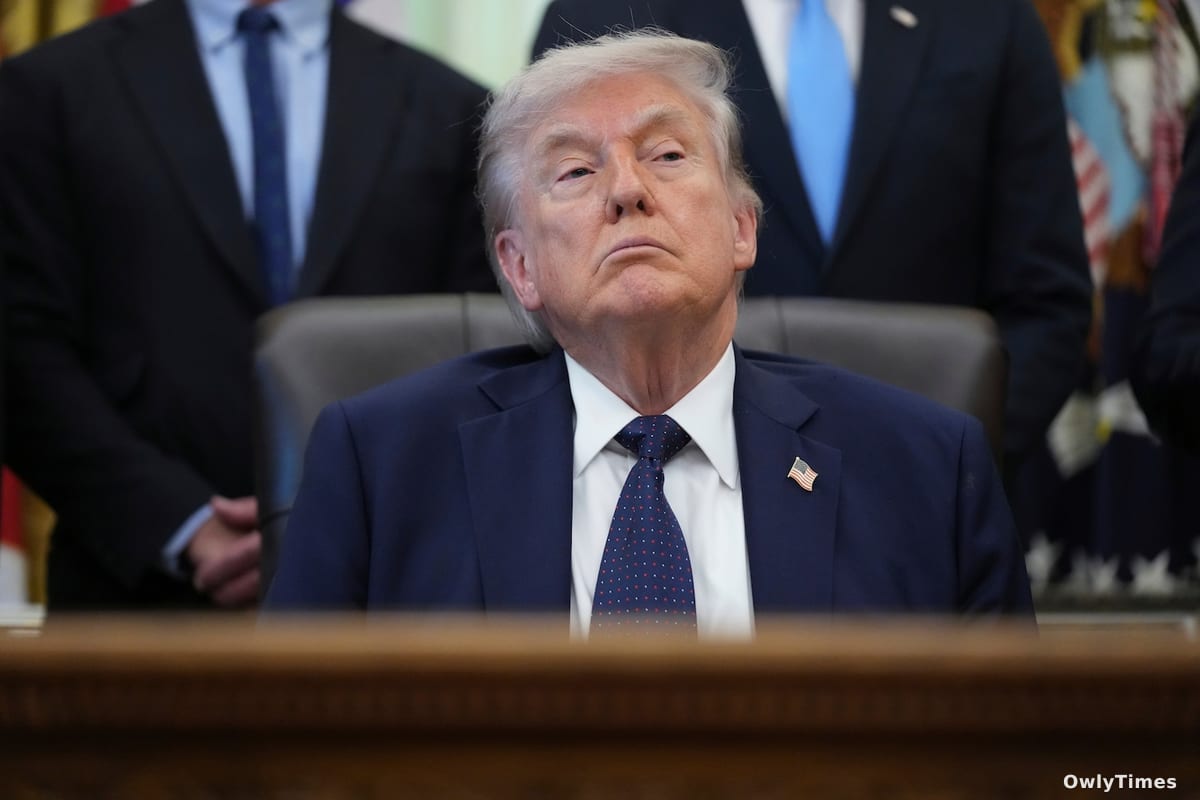
On April 25, 2026, the economic narrative took a backseat to political pragmatism inside the West Wing. President Donald Trump, during an event focused on health care affordability, offered a rare public acknowledgment of the disconnect between executive policy and electoral outcomes. While the administration unveiled a new measure intended to curb rising drug prices, the President noted that such actions would likely fail to provide the necessary tailwinds for his party in the upcoming November cycle.
His comments, captured by Mark Schiefelbein of the Associated Press, reveal a leader acutely aware of the limits of policy levers in a high-inflation environment. "By itself we should win the midterms, but it doesn’t work that way unfortunately," the President remarked. This admission suggests that the administration recognizes the structural challenges facing the economy are outpacing the reach of targeted administrative interventions.
The Inflationary Weight on GOP Loyalty
The most striking data point surfacing this week is not the substance of the health care announcement, but the erosion of support among the Republican party's own ranks. Recent polling indicates a growing segment of Republican voters now actively disapproves of the President’s handling of inflation. This dissatisfaction creates a unique political tension; historically, economic concerns are the primary driver of midterm volatility, and when the party in power loses the confidence of its base on the core issue of purchasing power, the risk of a legislative gridlock increases significantly.
Comparing this to the political landscape of 2010—the last time Democrats held an advantage on economic sentiment—the current environment appears more volatile. Back then, the post-recession recovery was the central point of contention. Today, the challenge is defined by the erosion of real wages due to sustained inflation. The shift in voter preference suggests that the current economic messaging strategy is failing to resonate with the demographic blocks necessary to maintain control of the legislature.
Watching the Midterm Barometer
The disconnect between executive action and public approval remains the primary variable for investors and consumers alike. As the administration attempts to pivot toward affordability measures, the efficacy of these policies will be judged by the next reading of national consumer sentiment metrics regarding the cost of essential goods.
For the average household, this means that while the administration is seeking to lower drug costs, the broader inflationary trend remains the dominant force dictating daily financial health. Until the data shows a measurable cooling in the cost of living, political promises regarding affordability are unlikely to move the needle on voter sentiment. The upcoming midterm cycle will serve as the final report card on whether these administrative efforts can bridge the gap between policy intent and the reality of the family budget.




