
The Two Wars Defining Trump’s Presidency
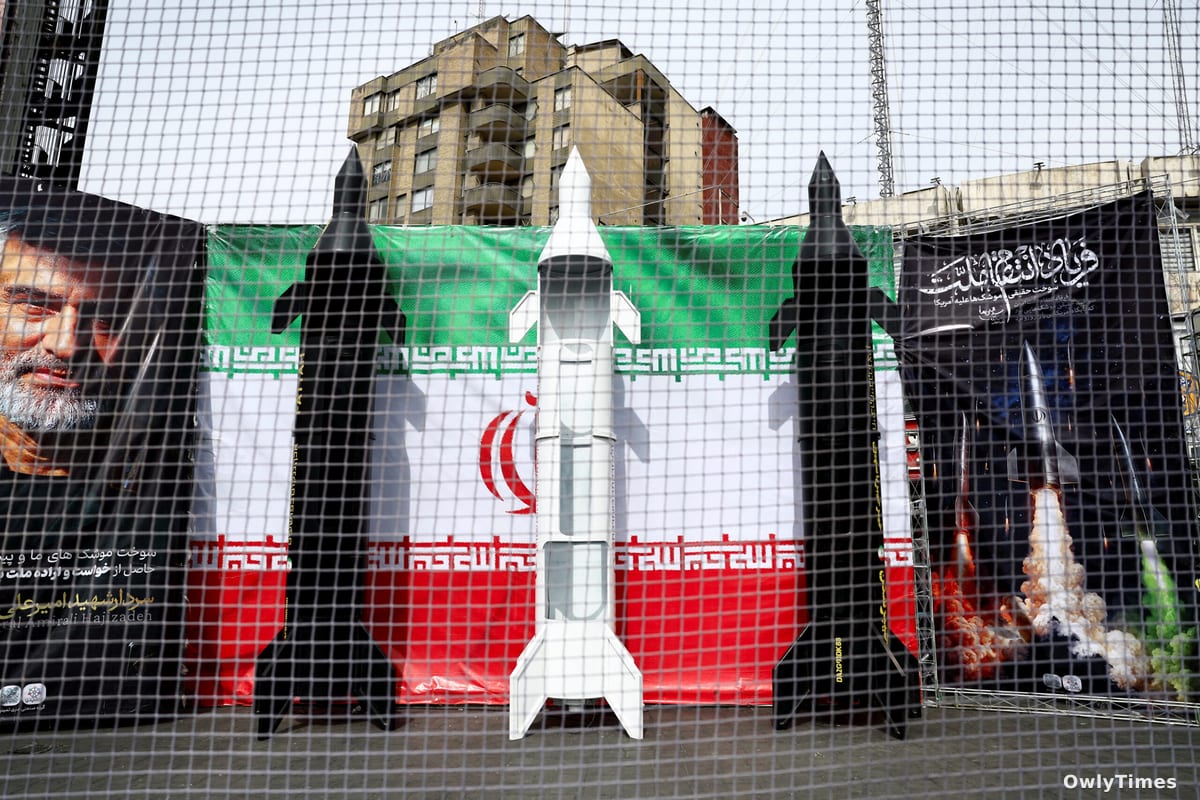
The air raid sirens weren’t the sound of a singular conflict, but a dissonant chord echoing across two battlefields. In late March 2026, as Donald Trump weighed strikes on Iranian power plants, the real war wasn’t just unfolding in missile exchanges and drone strikes – it was tightening its grip on the global economy. The newest edition of The Economist frames it starkly: this isn’t one conflict, but two parallel wars, and the stakes for Trump’s legacy, and global stability, are immense. While headlines focus on the tactical successes of US and Israeli air strikes against Iranian military capabilities, a more insidious battle is being waged in shipping lanes and energy markets, a geoeconomic offensive that threatens to fracture American political will and redefine the rules of engagement for decades to come.
See the original atlanticcouncil.org story for the full account.
The conventional narrative paints a picture of a military campaign with a clear objective: degrade Iran’s ability to threaten regional stability. By most accounts, Iran is losing that war, with the United States and Israel steadily reducing its conventional military strength. But as Frederick Kempe of the Atlantic Council points out, underestimating the Iranian regime’s resilience – its ability to disperse weaponry, continue attacks, and, crucially, weaponize the global economy – is a critical error. Trump’s initial ultimatum to open the Strait of Hormuz, followed by a five-day postponement for talks, wasn’t just about maritime access; it was a desperate attempt to address both fronts simultaneously, recognizing that a purely military victory could be a strategic defeat. The cost of continued military action, Iran calculates, needs only to be high enough to erode American resolve, not to actually win a conventional war.
This is where the asymmetry of the conflict becomes brutally clear. Iran’s relatively inexpensive tools – missiles, drones, proxies, and even the threat of their use – can disproportionately disrupt systems built on predictability. The Strait of Hormuz, a narrow artery through which roughly 20% of the world’s oil supply passes, is the perfect example. Disruptions there send shockwaves through energy markets, impacting everything from gas prices at the pump to global inflation. It’s a pressure point designed to exploit vulnerabilities in a system reliant on smooth, uninterrupted flow. The temporary waiver of sanctions on Iranian oil by Trump on Friday, while intended to calm markets, was a reactive measure, a band-aid on a gaping wound. It underscores the fact that the US, despite its military might, is deeply entangled in a web of economic interdependence.
The temptation for Trump is to prioritize one war over the other. Some argue for a swift military conclusion, even if incomplete, to relieve economic pressure. But that, Kempe warns, would be profoundly short-sighted. Leaving a vengeful and still-capable Iranian regime in place allows it to rebuild, rearm, and continue its destabilizing activities, achieving a “victory” by simply surviving and demonstrating the limits of American power. This narrative – that Iran withstood the onslaught of the world’s greatest military – will resonate far beyond the Middle East, becoming a blueprint for other adversaries seeking to challenge US dominance. The real prize for Tehran isn’t territorial gain, but regime survival and the validation of its asymmetric warfare strategy.
So, what does “winning” look like for the United States? It’s not about maximalist goals or open-ended military campaigns. It’s about a concerted strategy that recognizes the larger stakes and builds a more resilient regional security architecture. This means stepping up efforts to target Iranian missile, drone, and maritime capabilities, weakening them to the point of being a nuisance rather than a constant threat. It means securing the Strait of Hormuz, ideally with the cooperation of Gulf allies who are increasingly recognizing Iran as the primary adversary. And crucially, it means leveraging the US’s economic power – a tool Trump has demonstrated a willingness to use, as evidenced by his tariff policies – to break Iran’s ability to hold the global economy hostage. The Atlantic Council’s Josh Lipsky reminds us that geoeconomic tools, like shipping insurance and asset seizures, were once commonplace in conflict, and should be revisited.
Beyond military and economic pressure, a long-term solution requires addressing the underlying regional dynamics. Israeli forces should continue targeting the Islamic Revolutionary Guard Corps (IRGC), weakening its capacity to project power and support proxy networks. Even short of regime change, the goal should be a fundamentally altered regime, one stripped of the ability to threaten its neighbors and the global economy. While Trump’s call for Iranian citizens to rise up against their leadership may have been premature, defanging the regime and its enforcers increases the likelihood of eventual internal collapse. But the most crucial, and perhaps most challenging, task is building a robust Gulf security architecture, one where Saudi Arabia, the United Arab Emirates, and other regional players can cooperate despite their differences. This will require a renewed commitment to coalition-building and alliances, something the Trump administration has often eschewed.
The outcome of this two-front war will define not just the Middle East, but the future of US foreign policy. The question isn’t simply whether Trump can win both wars, but whether he can recognize that they are inextricably linked. Will he prioritize short-term tactical gains over a long-term strategic vision? And, perhaps more importantly, will he rediscover the value of alliances and international cooperation in a world increasingly defined by volatility and uncertainty? The coming months will reveal whether this moment becomes a testament to American resilience or a cautionary tale of strategic miscalculation.




