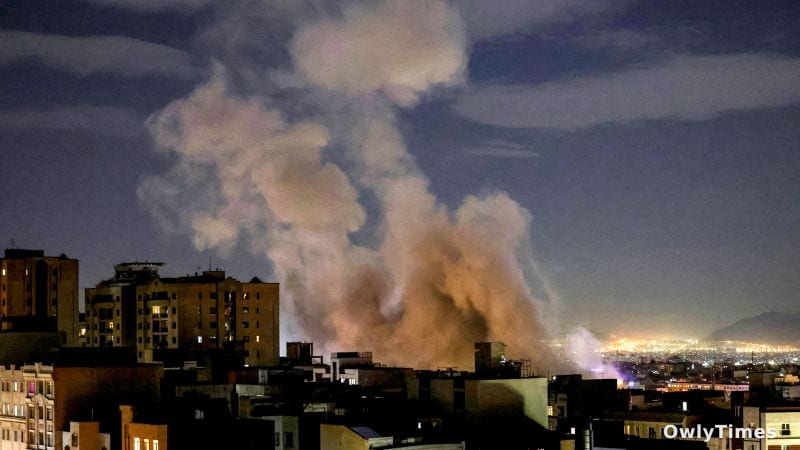

The current escalation in the Middle East isn’t simply a response to perceived Iranian aggression; it’s a calculated risk by the Trump administration to reshape the regional power balance by exploiting a perceived vulnerability within the Iranian regime following the death of Supreme Leader Ayatollah Ali Khamenei. The swiftness and breadth of the US-Israeli strikes, targeting not only military installations but also critical infrastructure like the Natanz nuclear facility and ports, signal a willingness to escalate beyond containment and directly challenge Iran’s strategic capabilities. This isn’t a spontaneous reaction, but a pre-planned operation leveraging a moment of leadership uncertainty in Tehran.
The immediate consequences are stark: a surge in global oil prices, disruption of vital shipping lanes through the Strait of Hormuz – handling roughly one-fifth of the world’s daily oil production – and a heightened risk of direct confrontation between the US and Iran. The US State Department’s urgent call for citizens to “depart now” from the Middle East isn’t merely a precaution; it’s an acknowledgment that the situation is rapidly deteriorating and the ability to guarantee safety is diminishing. Who benefits and who loses is immediately apparent. Israel gains a powerful ally in dismantling perceived threats, oil-importing nations face economic instability, and the Iranian populace is increasingly vulnerable to both military action and internal repression.
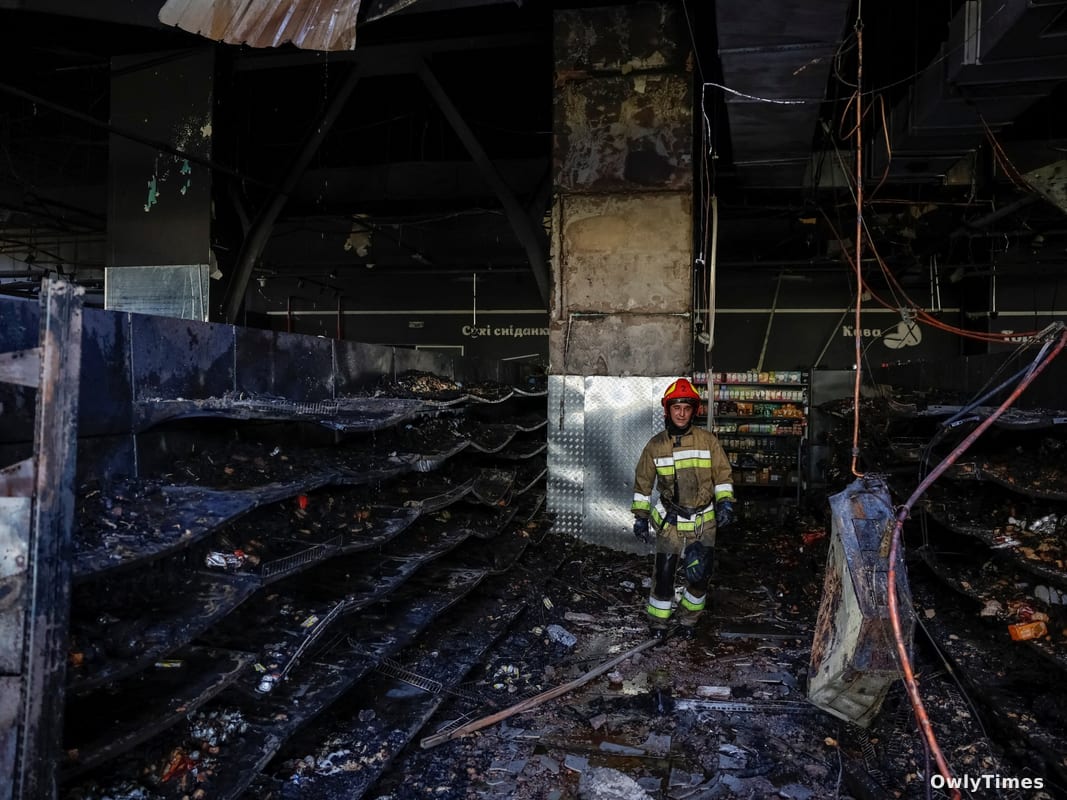
The strikes on the US Embassy in Riyadh, Saudi Arabia, attributed to suspected Iranian drones, and the reciprocal attacks between Israel and Hezbollah in Lebanon, are not isolated incidents. They represent a deliberate attempt by Iran and its proxies to broaden the conflict, raising the costs for the US and its allies. The six US service members killed in an Iranian attack in Kuwait on Sunday underscore the tangible human cost of this escalation. This echoes the dynamics of the 1979 Iran hostage crisis, where attacks on US interests were used to signal resolve and raise the stakes in negotiations – though the current situation lacks a clear negotiating framework. Donald Trump’s statement that the “big wave” is yet to come suggests a further intensification of military pressure, potentially targeting Iranian naval assets in the Persian Gulf.
The conflicting narratives surrounding the damage to Iranian nuclear facilities are particularly telling. While the International Atomic Energy Agency chief, Rafael Grossi, initially claimed no strikes on nuclear installations, satellite imagery from Vantor clearly shows damage to the Natanz facility. This discrepancy highlights a deliberate effort to downplay the extent of the damage and control the information flow. The damage, while not on the scale of the June 2023 strikes, still impacts Iran’s ability to rapidly advance its nuclear program. This mirrors the tactics employed during the Cold War, where both the US and the Soviet Union routinely engaged in disinformation campaigns to obscure their military capabilities and intentions.
See the original CNN story for the full account.
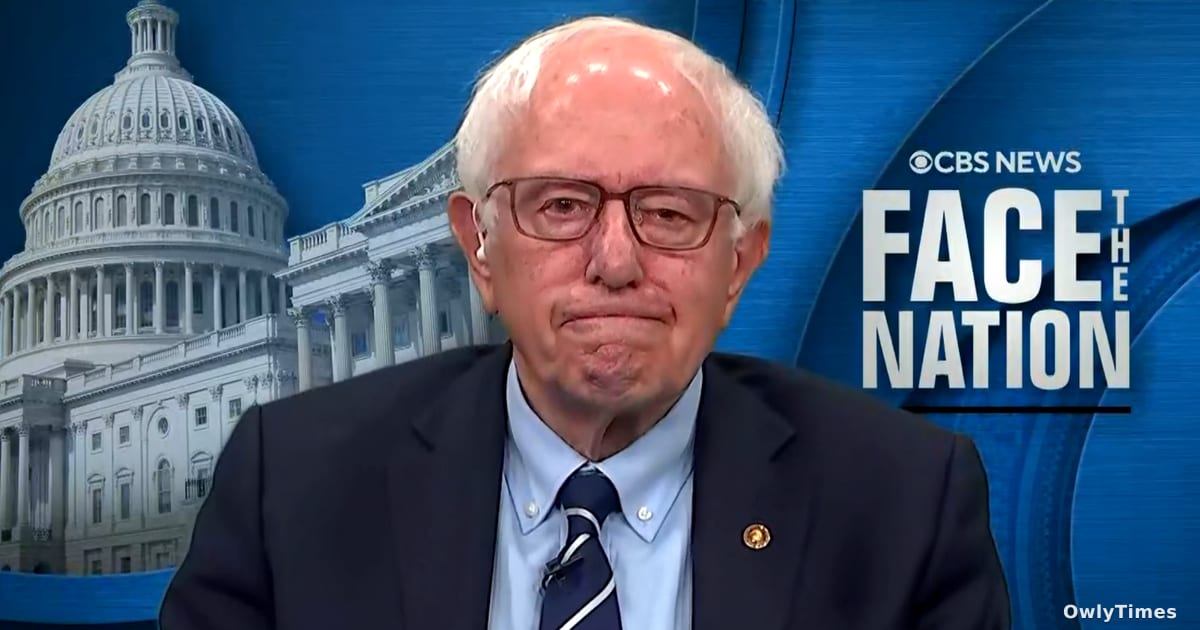
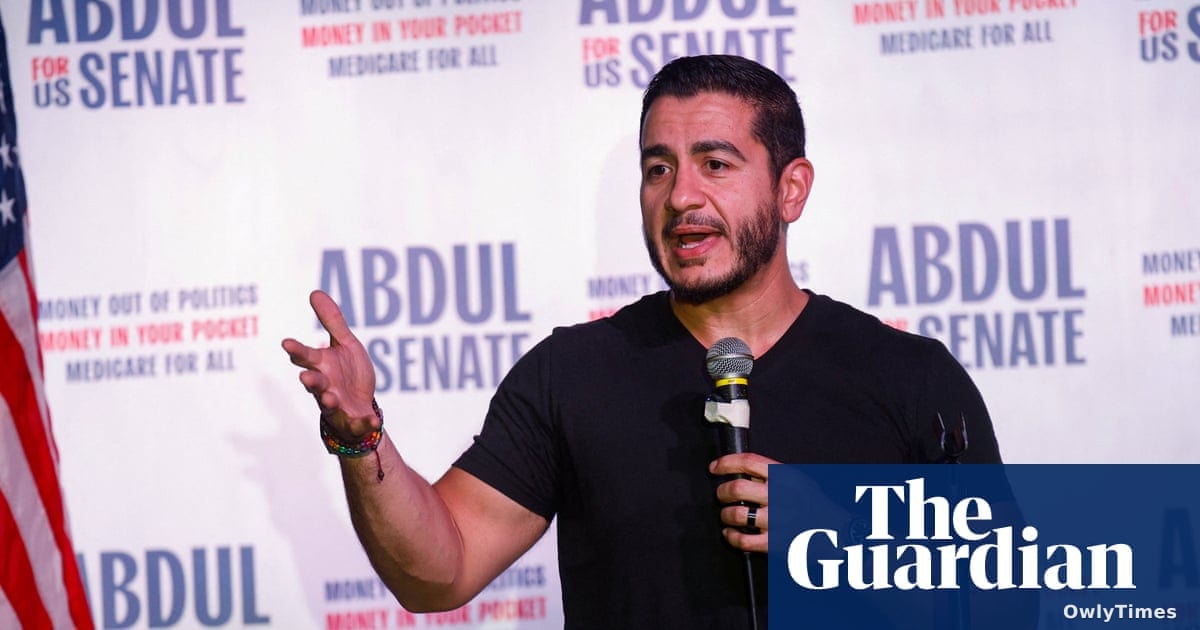
The domestic political ramifications are also significant. Vice President JD Vance’s assertion that the strikes aim to fundamentally alter the “mindset” of the Iranian regime reveals a long-term strategic objective beyond simply preventing nuclear proliferation. However, Senator Mark Warner’s confusion over the administration’s shifting goals and his concerns about the escalating financial costs demonstrate a lack of consensus within Congress. The pressure on Democrats to approve supplemental funding for the operation, as highlighted by Speaker Mike Johnson, will likely intensify, potentially exposing divisions within the party. The Republican push for Homeland Security funding, leveraging the heightened security concerns, further complicates the political landscape.
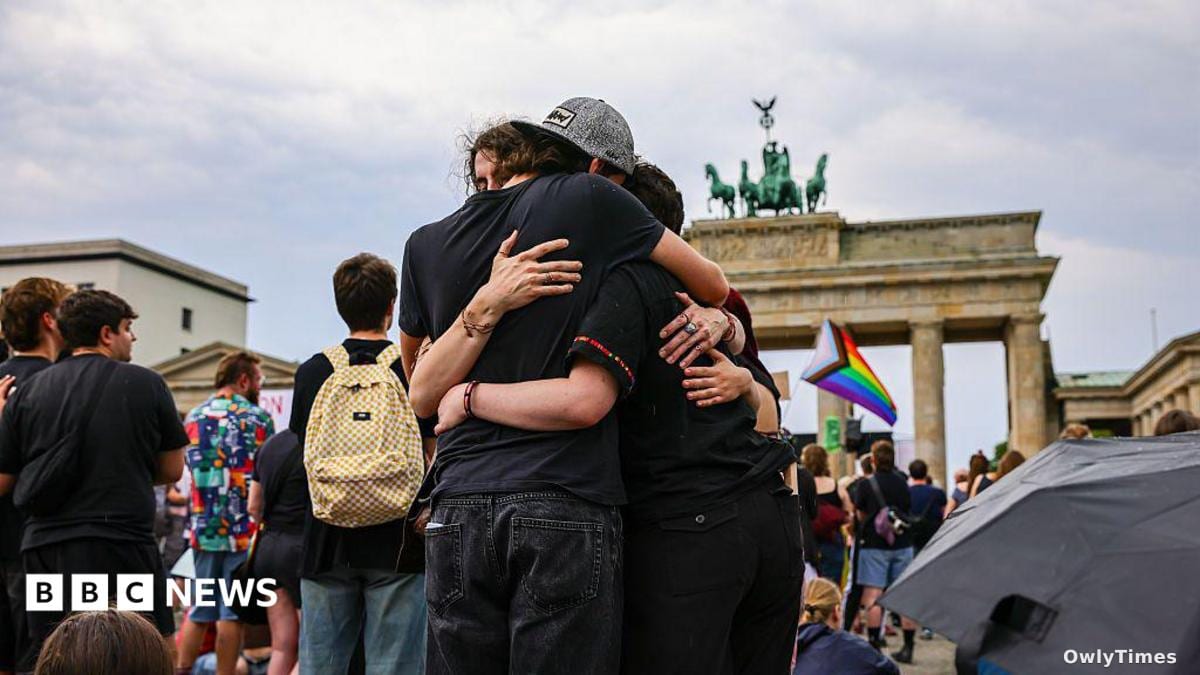
The protests unfolding across the United States, while largely peaceful, demonstrate a growing anti-war sentiment and a skepticism towards military intervention in the Middle East. The ANSWER Coalition’s call for a national day of protest underscores the potential for sustained public opposition. This echoes the widespread protests against the Vietnam War, where public opinion played a crucial role in shaping US foreign policy. However, the Iranian-American community is deeply divided, as reported by CNN’s Jomana Karadsheh, reflecting the complex and often conflicting loyalties within the diaspora.
The immediate focus remains on the Strait of Hormuz. The warning from an advisor to the commander of Iran’s Islamic Revolutionary Guard Corps (IRGC) that vessels passing through the strait would be targeted, coupled with the effective halt in traffic, poses a significant threat to global energy supplies. The diversion of major container shipping companies like Maersk and MSC further exacerbates the disruption. This situation is reminiscent of the 1980s “Tanker War” in the Persian Gulf, where attacks on oil tankers led to a significant increase in shipping costs and a heightened risk of escalation.
The political chess move to watch next isn’t a further military strike, but rather China’s response. Beijing maintains significant economic ties with Iran and has consistently advocated for de-escalation. Whether China will use its influence to mediate a ceasefire, or will tacitly support Iran to counter US influence in the region, will be the defining factor in determining whether this crisis spirals into a wider regional war. The question isn’t simply if the conflict will escalate, but where and how China will position itself in this unfolding geopolitical struggle.