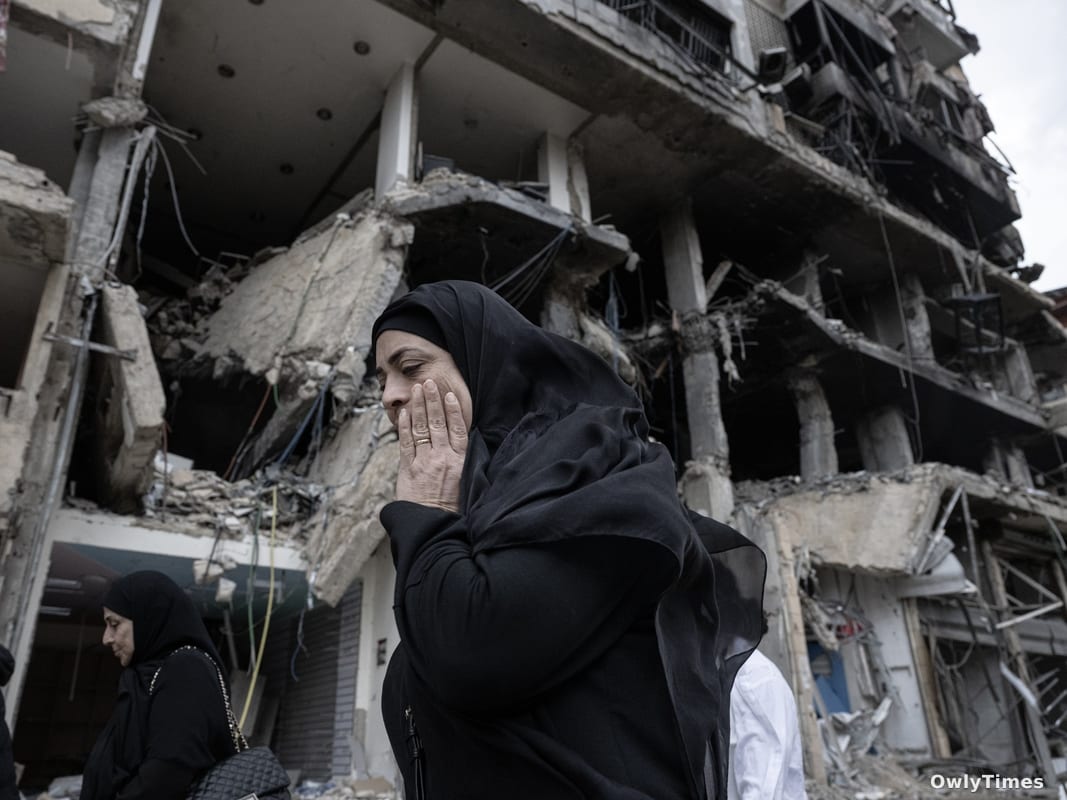

The atmosphere inside the White House on April 23, 2026, carried the heavy, calculated weight of a global pivot point. As Donald Trump stood before the press, the announcement of a three-week extension to the ceasefire between Israel and Hezbollah served as a fragile placeholder for a much larger, more volatile chess match. For the entertainment and sports worlds, which often thrive on the illusion of stability and predictable narratives, this moment serves as a stark reminder that the global stage is currently dictated by the friction of diplomacy. We are no longer merely watching headlines from afar; we are observing a period where the entertainment of power politics has real-world consequences for every industry connected to the Middle East.
The Diplomacy of the Waiting Game
The core of this development lies in the specific, measured language used by the President during his meeting with Israeli and Lebanese envoys. By securing this three-week window, the administration is effectively buying time, a commodity that is increasingly rare in a region defined by rapid escalation. While some might view a temporary ceasefire as a mere pause, the strategic choice to extend it suggests a desire to manage the tempo of the conflict rather than solve it outright. This is a classic exercise in political theater, where the "extension" itself becomes the primary instrument of influence, keeping all parties tethered to the negotiating table.
Trump’s Strategy Toward Tehran
Beyond the immediate mechanics of the Israel-Hezbollah agreement, the shadow of Iran looms largest over the proceedings. When Trump remarked that he "could make a deal right now" with Iran, he signaled a departure from the frantic, high-pressure deadlines that have characterized previous administrations. Instead, he has opted for a posture of deliberate patience, claiming a willingness to wait for the right opportunity to secure an "everlasting" agreement. This approach is a dramatic shift in tone, replacing the rapid-fire diplomacy of the past with a high-stakes game of endurance. It suggests that the administration believes the current climate of tension is a lever they can hold until the leverage points align in their favor.
Why the Global Cultural Fabric Matters
For those of us tracking the pulse of culture, this moment is significant because it highlights the widening gap between the desire for "everlasting" peace and the reality of localized, explosive conflict. The entertainment industry, which often functions as a mirror to these geopolitical tensions, is currently navigating a world where narratives are shifting in real-time. When a leader publicly balances a regional ceasefire with a broader, long-term ambition for an Iranian accord, they are essentially managing the global narrative. If this three-week extension holds, it will be because the parties involved find more utility in the current pause than in the alternative. The next reading of the ceasefire stability will show whether this period of managed tension can actually pave the way for a more permanent resolution or if it is simply a brief intermission in a much longer, more arduous act.

