
The strategic calculus currently governing Tehran’s domestic policy is not rooted in a desire for immediate de-escalation, but in a calculated effort to maintain internal cohesion through high-stakes public theater. By timing military displays to coincide with the expiration of a two-week ceasefire, the Iranian establishment is attempting to frame US President Donald Trump’s unilateral extension of that truce as a sign of American vacillation rather than a diplomatic opening. The power dynamic is clear: the state is prioritizing the mobilization of its hardline base to neutralize internal dissent, effectively using the specter of "total war" to preemptively discredit any moderate factions advocating for structural concessions.
In this high-stakes game of geopolitical posturing, the winners are the hardline security apparatus, specifically the Islamic Revolutionary Guard Corps (IRGC), which has successfully consolidated its narrative of national resistance. The losers, conversely, are the moderate voices—represented by figures like President Masoud Pezeshkian—who argue that the current path of escalation serves no one. By framing negotiations as a “method of fighting” rather than a path to peace, parliament speaker Mohammad Bagher Ghalibaf has successfully boxed in the political establishment, ensuring that any diplomatic move is viewed through the prism of battlefield victory rather than economic relief.
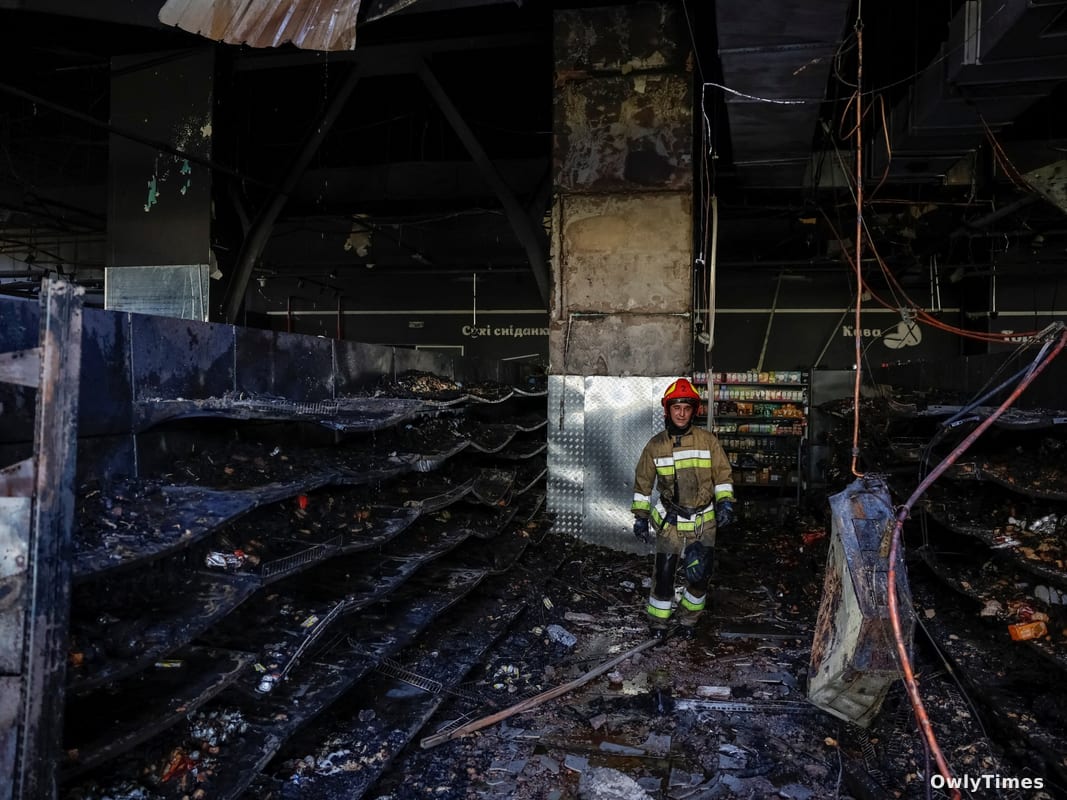
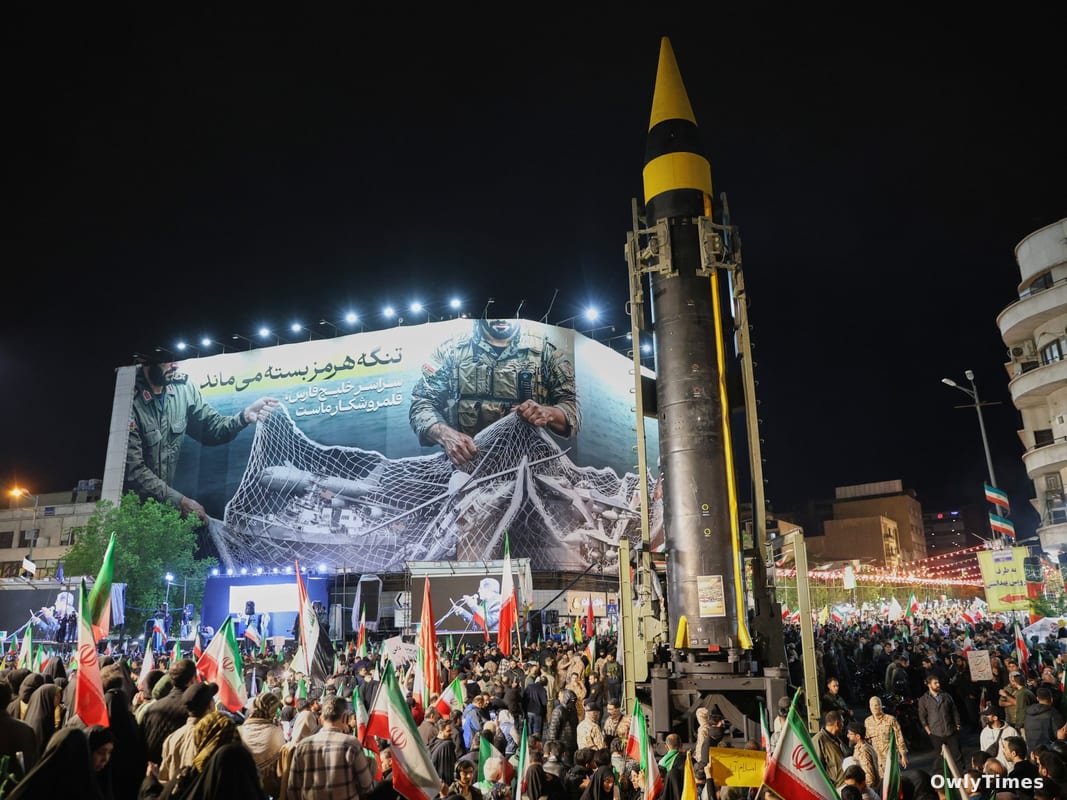
The visual messaging utilized in Tehran’s Enghelab (Revolution) Square and Vanak Square—featuring the Khorramshahr-4 and Ghadr ballistic missiles—mirrors the classic historical strategy of the "garrison state," where external threats are leveraged to solidify domestic loyalty during periods of economic instability. Just as regimes throughout the 20th century utilized military pageantry to mask systemic weaknesses, Tehran is showcasing hardware to divert attention from the reality of its infrastructure, which has faced 40 days of sustained strikes against steel factories, power plants, and transportation networks. The reliance on this imagery is a direct response to Trump’s claims that Iran is “collapsing financially” and struggling to pay its security personnel.
The tension between the regime’s rhetoric and the practical limitations of its military is increasingly apparent. While the Khatam al-Anbiya Central Headquarters warns that their "fingers are on the trigger," figures like Ghalibaf have offered a more sobering assessment, admitting that Iran lacks the military, financial, and equipment parity to best the United States. This contradiction highlights a volatile divide: hardliners like Mahdi Mohammadi are pushing for a direct military response to the ongoing naval blockade of Iranian ports, while regional voices like Abdolhamid Ismaeelzahi warn that the country is at a “dead end,” citing a lack of effective air defense and the impending destruction of vital infrastructure.
The strategic move to watch next is the pending status of the negotiations in Islamabad. The entire process hinges on a specific, measurable signal: whether or not the blockade of Iranian ports is lifted. Iran’s ambassador to the United Nations, Saeed Iravani, has explicitly linked the resumption of talks to this demand. With the ceasefire now extended for an unspecified period by Trump, the immediate indicator of the conflict’s direction will be the success—or continued failure—of negotiators to arrive in Pakistan. If the blockade remains, the IRGC’s threat to target seabed high-speed internet cables, potentially triggering a "digital catastrophe" for regional neighbors, will likely move from rhetorical saber-rattling to a prioritized tactical objective.