
Is Tulsa Public Schools preparing to spend $104.7 million to chase a moving target? That’s the question voters should be asking as they consider Proposition No. 3 of the district’s $609 million bond package. The narrative is about equipping students and teachers with the tools they need, but the real story here isn’t simply about providing laptops – it’s about the escalating, and potentially unsustainable, cost of maintaining a digital infrastructure in an era where the very need for that infrastructure is being actively debated.
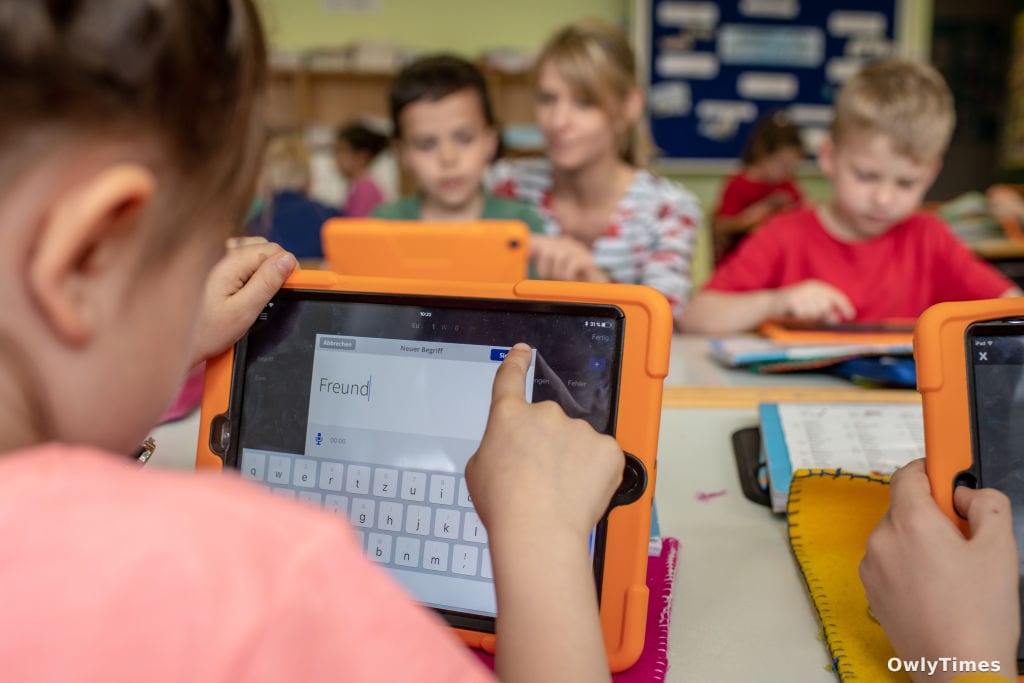
Robert F. Burton, Executive Director of Information Technology for TPS, paints a vivid picture of the battlefield: Chromebooks returned riddled with everything from “liquid damage and crumbs” to, yes, bed bugs. It’s a relatable image for anyone who’s ever shared a device with a middle schooler. But the anecdotes, while amusing, obscure a larger trend. The district’s technology budget is ballooning. This proposal represents a 15.4% increase over the $90.7 million allocated for technology in the 2021 bond. Burton attributes this jump to “tariffs, inflation, shipping and natural growth” in device costs. Translation: the same hardware is simply getting more expensive, and the five-year replacement cycle – standard for school districts – means TPS is perpetually playing catch-up.
This isn’t just a Tulsa problem. The district is facing the same pressures as businesses across the region, including Ascension St. John, Tulsa International Airport, and even its sister publication, the Tulsa World, all of which have been targeted by ransomware and large-scale cyberattacks in recent years. The $29 million earmarked for network and software investments, including cybersecurity, isn’t a luxury; it’s a necessity. TPS holds sensitive data on over 32,000 students and their families, plus the personal information of over 5,400 employees. Burton rightly points out that the district is “probed and tested daily” by malicious actors. Failing to invest in robust cybersecurity isn’t just negligent, it’s a direct threat to the privacy and safety of the community.
Reporting from govtech.com informs this analysis.
However, the timing is…awkward. Superintendent Ebony Johnson openly acknowledges “ongoing conversations” about reducing technology’s role in the classroom. The district is investing in “professional development support” to empower teachers to rely less on digital tools and more on “the science of reading” and other core pedagogical methods. This admission creates a tension: are we equipping teachers to use technology, or preparing for a future where technology is actively de-emphasized? The district frames it as a transition, a balancing act. But pouring over $100 million into devices while simultaneously questioning their fundamental value feels less like balance and more like hedging bets.
The bond proposal won’t raise property taxes, which is a political win. It simply replaces the existing 2021 bond. But that doesn’t negate the core question: is this the most effective use of taxpayer dollars? The district is essentially betting that the need for one-to-one device access will remain constant for the next five years. But what if the conversation shifts dramatically? What if a growing body of research confirms concerns about the negative impacts of excessive screen time on student development? What if, as some educators are already advocating, a return to more traditional teaching methods gains traction?
Here’s what to watch for: in the next six months, pay attention to the legislative debates surrounding educational technology funding at the state level. If Oklahoma lawmakers begin to prioritize teacher training and curriculum development over device procurement, Tulsa Public Schools could find itself with a warehouse full of expensive Chromebooks and a shrinking justification for its investment. The April 7th vote isn’t just about laptops; it’s about anticipating where education is headed, not where it is today.