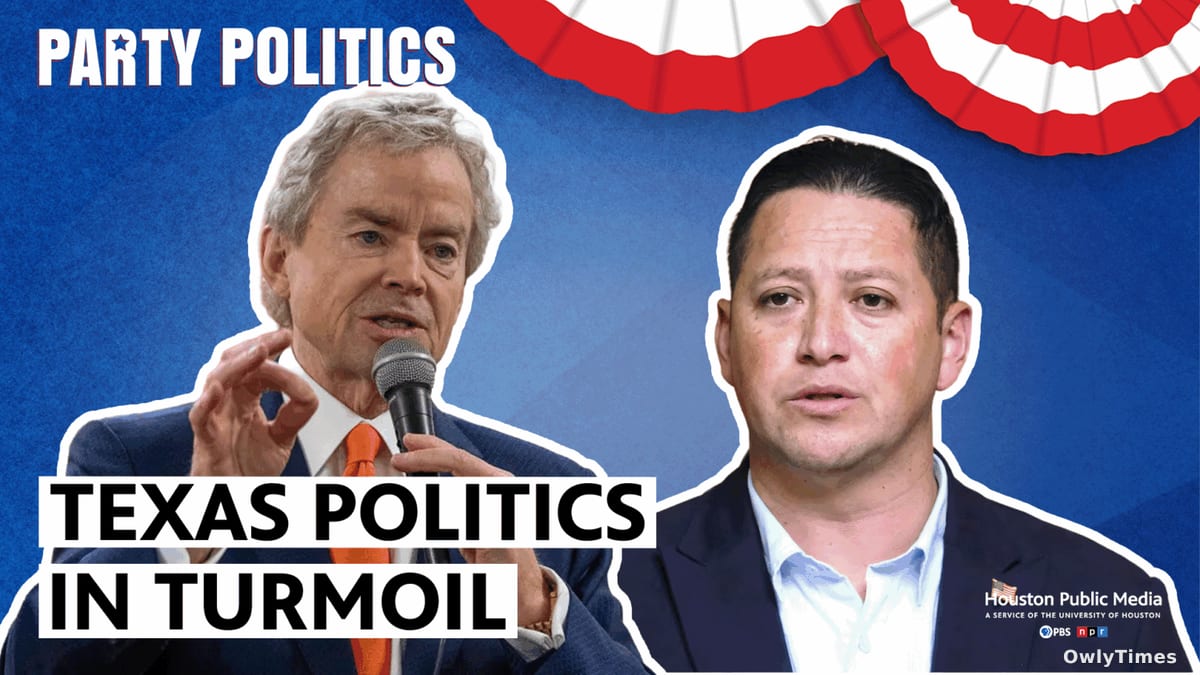

The Calculus of Crisis: Texas Politics Navigates Loss, Scandal, and Fractured Alliances
The week in Texas politics wasn’t about policy debates; it was about managing vulnerabilities. The convergence of national mourning for Jesse Jackson, local grief over Robert Duvall’s passing, and a cascade of scandals and strategic maneuvers reveals a core truth about election seasons: they are, fundamentally, exercises in risk assessment. The timing isn’t accidental. Moments of collective reflection – like the remembrance of a civil rights icon – create a stark contrast against which personal failings and political compromises are magnified. This week’s events weren’t disruptions to the campaign; they are the campaign, a brutal sorting of who can withstand scrutiny and who will crumble under pressure.
Source material: houstonpublicmedia.org.
The Price of Personal Conduct in the Public Square
The scrutiny facing Congressman Tony Gonzales over reports of an extramarital affair isn’t simply about morality. It’s about leverage. In a district already considered competitive, this provides an opening for primary challengers to paint him as lacking the character to represent conservative values. The calculation is cold: vulnerability equals opportunity. Simultaneously, Nathan Sheets’ decision to publicly address past struggles with addiction is a calculated gamble. Historically, candidates have concealed such issues, fearing voter rejection. Sheets is attempting to preemptively disarm critics by framing his past as a testament to resilience and honesty. This echoes a trend seen nationally, where candidates are increasingly willing to discuss personal battles with mental health or addiction, betting that transparency will outweigh the stigma. However, the success of this strategy hinges on whether voters perceive the disclosure as genuine contrition or a cynical attempt at sympathy.
The Epstein Connection and Media’s Tightrope Walk
The allegations surrounding comptroller candidate Don Huffines’ family’s ownership of a former New York ranch linked to Jeffrey Epstein represent a different order of risk. This isn’t a matter of personal conduct; it’s a potential association with criminal activity. The political damage isn’t necessarily about Huffines’ direct involvement, but the questions it raises about his family’s judgment and financial dealings. The timing is particularly acute, as voters are increasingly sensitive to issues of corruption and elite impunity. Equally revealing is CBS’s decision to pull an interview with Representative James Talarico from The Late Show with Stephen Colbert due to FCC concerns. While CBS cited adherence to broadcast regulations, the move raises questions about the extent to which networks are willing to self-censor during election season, particularly when dealing with potentially controversial political figures. This parallels the anxieties surrounding media coverage during the 1964 presidential election, when concerns about fairness and objectivity led to increased scrutiny of broadcast journalism.
The Republican Rift: Abbott vs. Trump and the Senate Primary Spending War
The escalating cost of the Texas Senate primary – and the diverging endorsements of Governor Greg Abbott and President Donald Trump – underscores a deeper fracture within the Texas Republican Party. Abbott’s support for certain candidates signals a desire to maintain a more traditional conservative approach, while Trump’s endorsements reflect his continued influence over the party’s base and his preference for candidates who align with his populist agenda. This isn’t simply a personality clash; it’s a struggle for the soul of the Texas GOP. The sheer amount of money being poured into the race – exceeding $20 million already – demonstrates the high stakes involved and the belief that control of the Senate seat is crucial for both parties. This level of spending is unprecedented for a Texas primary, surpassing even the 2018 Senate race between Ted Cruz and Beto O’Rourke at a similar stage.
The political chess move to watch next isn’t about any single scandal or endorsement. It’s about turnout. Will the controversies surrounding candidates like Gonzales and Huffines depress voter enthusiasm? Will Trump’s continued involvement energize his base, or will it further alienate moderate Republicans? The early voting numbers in the March primary will provide the first concrete indication of which forces are prevailing and which candidates are best positioned to navigate this turbulent political landscape. The answer will reveal not just who wins the primary, but what kind of Republican Party Texas will have for years to come.





