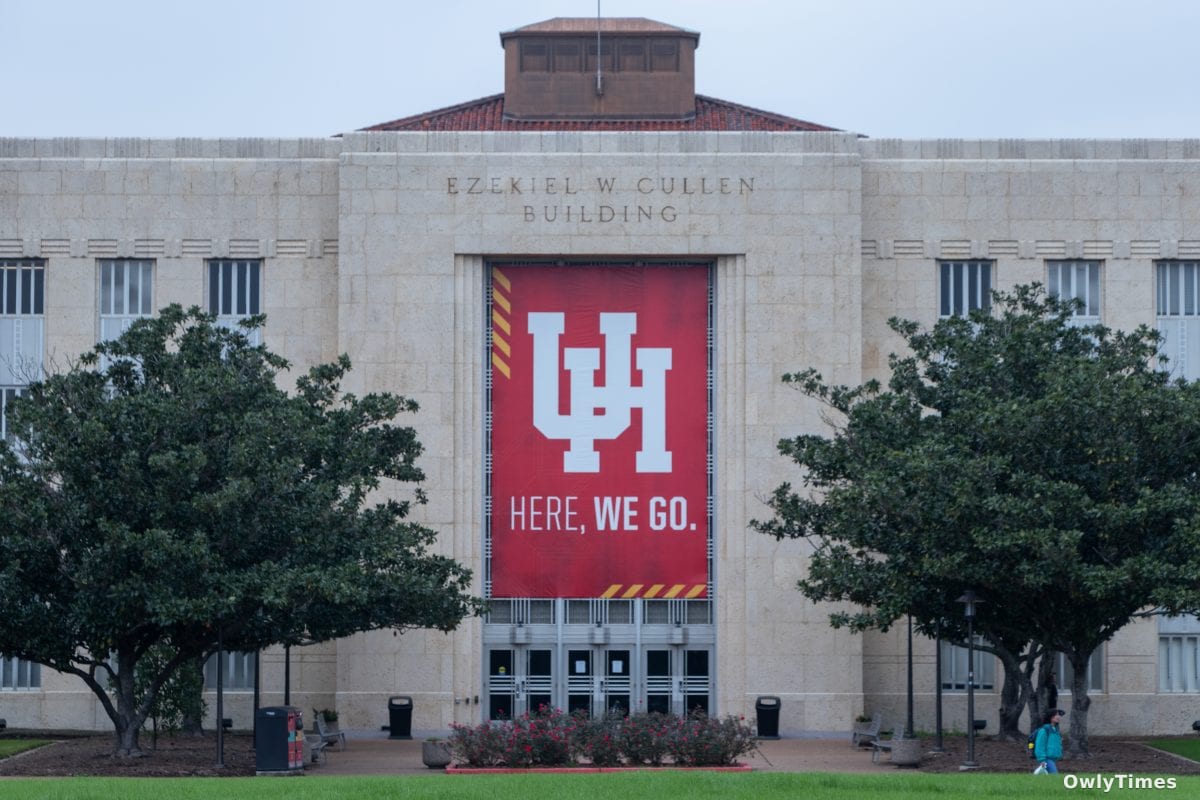

The University of Houston’s proposed faculty curriculum review isn’t about protecting students from indoctrination; it’s a calculated response to a shifting power dynamic within Texas higher education, and a preemptive move to forestall further legislative intervention. The administration’s call for professors to self-evaluate their courses for “political, ideological or belief-based viewpoints” isn’t a novel concern for universities – debates about academic freedom and bias have raged for decades – but the method of addressing it, and the context of recent Texas legislation, reveals a strategic retreat by university leadership in the face of mounting political pressure. This isn’t about preventing a professor from sharing their expertise; it’s about controlling the narrative of what constitutes acceptable expertise, and who gets to define it.
The Erosion of Faculty Governance in Texas
The current proposal, circulating within the faculty council’s curriculum committee, arrives on the heels of a prior attempt to secure agreements from professors promising not to “indoctrinate” students – a move that already drew criticism. But to understand the significance of this proposal, one must look back to 2023 and the passage of Senate Bill 37. This legislation, ostensibly aimed at streamlining university governance, effectively dismantled the University of Houston’s faculty senate, replacing it with the faculty council. The stated goal was efficiency, but the effect was a dramatic reduction in faculty control over academic decisions. Senate Bill 37 wasn’t an isolated incident; it was part of a broader trend across Texas universities, diminishing the authority of faculty and concentrating power in the hands of administrators and, by extension, the state government. The faculty council, created in the wake of SB37, is therefore operating under fundamentally altered conditions, and its review of this proposal isn’t a neutral assessment, but a response to constraints imposed from above.
Based on the original houstonpublicmedia.org report.
Who Benefits and Who Loses from Increased Oversight?
The immediate losers are, predictably, the faculty. Holley Love, a mechanical engineering professor and member of the UH chapter of the American Association of University Professors (AAUP), rightly characterizes the proposal as “unprecedented.” The self-evaluation requirement introduces a new layer of administrative oversight into the curriculum development process, effectively turning professors into monitors of their own academic freedom. This creates a chilling effect, incentivizing self-censorship and potentially discouraging the exploration of controversial or challenging topics. But the losers extend beyond the faculty. Students, too, are disadvantaged by a curriculum sanitized of robust intellectual debate. A university’s value proposition isn’t simply the transmission of information, but the cultivation of critical thinking skills – skills honed through engagement with diverse perspectives, even those that students may initially disagree with.
The beneficiaries are less obvious, but no less important. The primary beneficiary is the University of Houston administration, which can demonstrate to state legislators that it is proactively addressing concerns about “indoctrination” and maintaining ideological neutrality. This is a defensive posture, aimed at preventing further legislative encroachment on university autonomy. The second beneficiary is the state government itself, which gains greater influence over the intellectual climate on Texas campuses. This isn’t necessarily about imposing a specific ideology, but about ensuring that the university system aligns with the political priorities of the governing party. The comparison drawn by Holley Love to Texas A&M and Texas Tech is crucial here; those institutions have faced more overt political interference, and UH appears to be attempting to preempt a similar fate.
A Historical Echo of McCarthyism?
While the current situation doesn’t reach the level of outright repression seen during the McCarthy era, the parallels are unsettling. The demand for ideological conformity, the pressure to self-censor, and the fear of political repercussions all echo the climate of the 1950s, when professors were routinely investigated for their political beliefs. Of course, the context is different. Today, the pressure isn’t coming from a federal government obsessed with rooting out communism, but from a state government concerned about perceived ideological biases in higher education. However, the underlying principle remains the same: the attempt to control the intellectual content of universities for political ends. The difference is that today, the control is being sought through administrative mechanisms rather than through direct legislative action – a more subtle, but potentially more effective, strategy.
The political chess move to watch next isn’t whether the faculty council approves or rejects the proposal in its current form. It’s what happens after the vote. Will the administration accept the council’s decision, even if it’s a critical one? Or will it circumvent the council and implement the policy through administrative fiat? The answer to that question will reveal the true extent of faculty power – or lack thereof – at the University of Houston, and will set a precedent for other universities across Texas.





