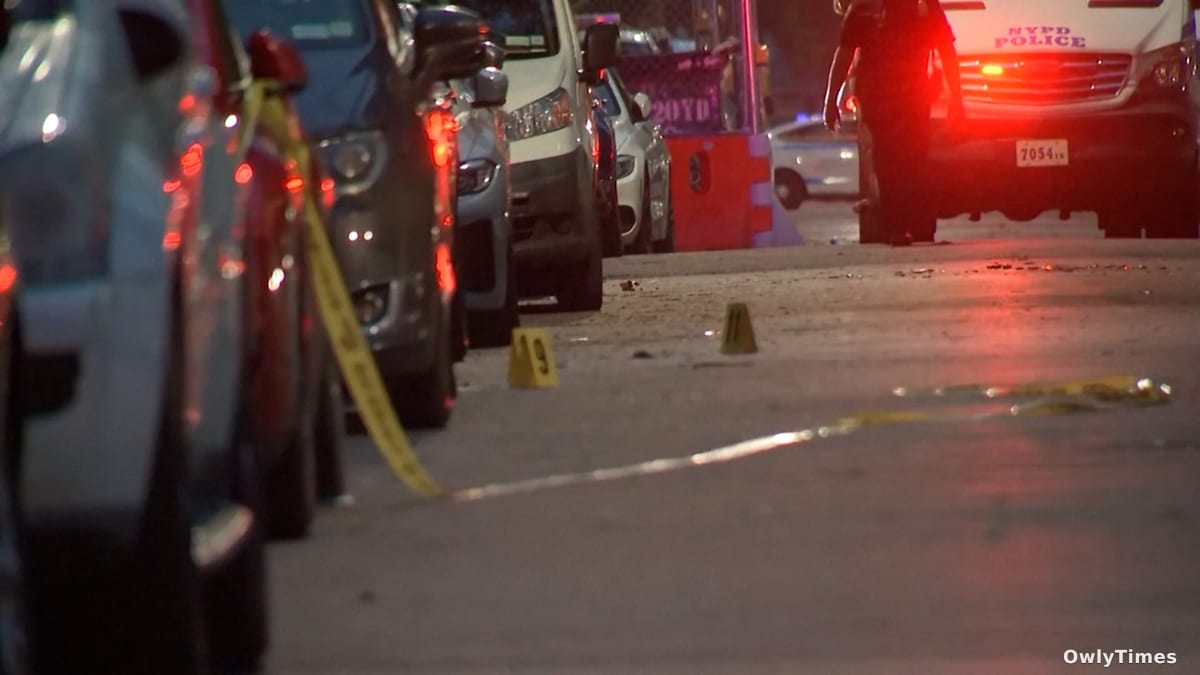

Is the American justice system becoming a high-stakes performance for the digital age, or are we simply witnessing the raw, unvarnished friction between procedural truth and public grief? As the preliminary hearing for Tyler Robinson, the 23-year-old accused of murdering conservative activist Charlie Kirk, unfolds in Utah, the courtroom has become a jarring intersection of forensic science and human tragedy.
The real story here isn't just the gruesome nature of the September 10 shooting; it’s the profound gap between the digital evidence prosecutors are brandishing and the tactical confusion reported by law enforcement on the ground. According to the BBC, the hearing is intended to determine if there is enough evidence to move to trial, yet testimony from Chris Bagley, a law enforcement witness stationed above the event, suggests a scene far more chaotic than a simple open-and-shut case. Bagley testified that while he was informed a suspect had been apprehended, he independently discovered evidence—including a screwdriver and impressions in gravel—that led him to believe he had found a sniper’s nest, complete with markings from "elbows, knees and feet."
This creates a complex technical puzzle for the defense team, led by Kathryn Nestor. While the prosecution, as reported by ABC News, aims to anchor their case in overwhelming forensic data—including DNA evidence found on a rifle trigger, a towel, and cartridge casings—the defense is clearly looking for cracks in the narrative. Nestor has already signaled an aggressive strategy, questioning the identification of the suspect and the security protocols at the Utah school where Kirk was speaking.
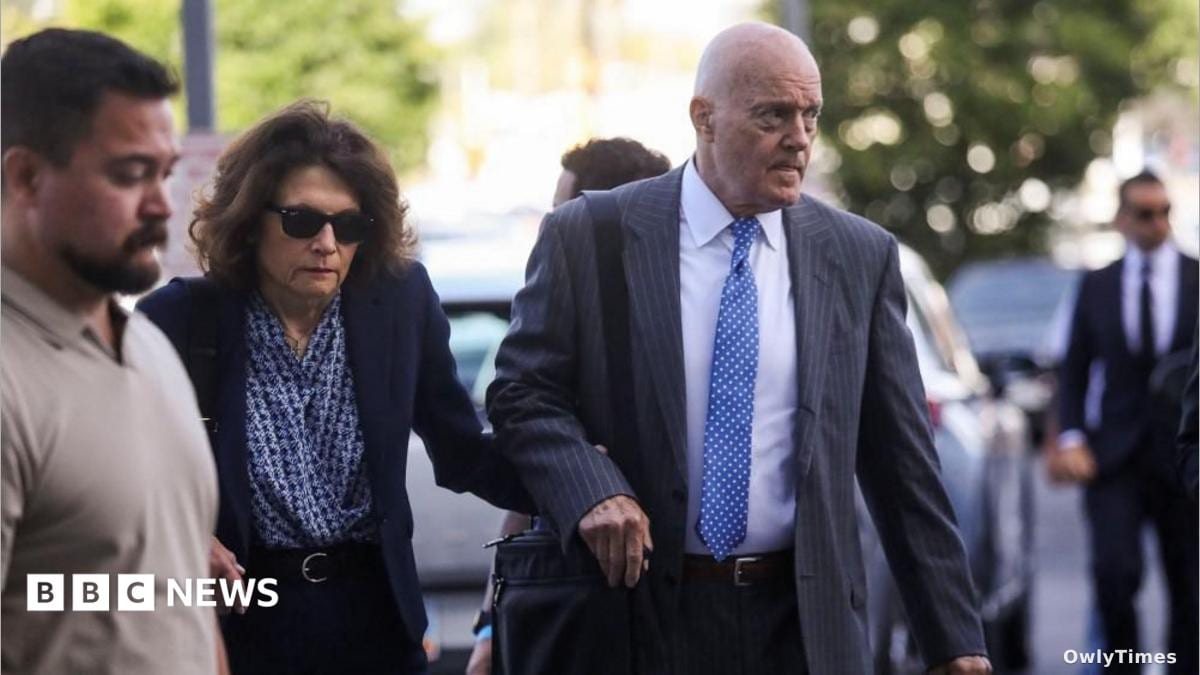
The weight of this week-long hearing is felt most acutely by the family of the deceased. Erika Kirk, who has since assumed leadership of the conservative youth movement Turning Point USA, attended the proceedings alongside Charlie’s parents, Robert and Kathryn Kirk. Their presence represents a stark contrast to the cold, analytical presentation of surveillance footage, which ABC News notes allegedly includes a note written by Robinson to his romantic partner explicitly stating his intent to "take out" the activist.
For the ordinary user watching these developments, the tech-heavy evidence—surveillance video, DNA profiling, and digital logs—can feel like a neutral arbiter of truth. Yet, as NBC News highlights, the proceedings are operating under the looming shadow of the death penalty. We are seeing a modern trial where the "digital footprint"—Robinson appearing on campus four times on the day of the shooting, according to David Hull of the State Bureau of Investigation—is pitted against the physical, messy reality of a sniper’s nest that law enforcement experts like Bagley are still reconciling with the official timeline.
Ultimately, the courtroom is functioning like a data processing center, trying to synthesize disparate bits of information into a coherent narrative of guilt or innocence. We will know if the prosecution’s heavy reliance on forensic linkage holds water by the end of this week, when the judge decides whether the state has cleared the evidentiary threshold required to move toward a jury trial. The signal to watch for is the defense’s next move regarding the exclusion of evidence, which will determine if this case proceeds on the strength of the DNA findings or if the procedural questions raised about security and suspect identification will derail the state’s momentum.